
Reviewed · BEIJING
Beijing: Imperial Cuisine Experience & Cultural Performance
Beijing’s Yuxiandu Imperial Cuisine Museum turns dinner into a history lesson with a stage attached. You’ll see how royal food developed from ancient China through the Qing Dynasty, then sit down to a long menu designed to resemble a court feast. The palace-style dining room and traditional performance give the evening a strong sense of occasion.
I like the chance to see more than food here. The museum holds over 1,000 historic objects, including dining utensils and documents, and the menu lets you sample dishes such as roast duck, sea cucumber, lamb, longevity noodles, and youtiao with milk. The main drawback is price: at $137 per person, this is a special-event dinner rather than a cheap way to eat in Beijing.
In This Review
- Key points before you book
- What the Yuxiandu museum adds to dinner
- Arriving for the lunch or dinner seating
- The imperial-style menu, course by course
- A palace room and a traditional performance
- What the $137 price really buys
- Who will get the most from this experience
- How to decide if the performance is worth it
- FAQ
- Where does the Imperial Cuisine Experience take place?
- How long does the experience last?
- What time is lunch ticket checking?
- What time is dinner ticket checking?
- What is included in the booking?
- Are traditional costumes and makeup included?
- Is the experience wheelchair accessible?
- Are children under two allowed to attend?
- Can I cancel for a refund?
Key points before you book
- Five millennia of imperial food culture: Exhibits trace royal cuisine from ancient times through the Qing Dynasty.
- A full dinner, not just a tasting: The menu includes seafood, duck, lamb, noodles, sweets, and several smaller courses.
- A traditional performance follows the meal: Dinner ticket checking begins at 6:28 PM, with the evening show starting at 6:50 PM.
- A palace setting shapes the experience: The restaurant is designed to make you feel like part of the imperial household.
- The $137 price pays for atmosphere and entertainment: It may feel worthwhile for a special night, but expensive if your main goal is simply eating Chinese food.
- Costumes are optional extras: Traditional dress and makeup transformation are not included.
What the Yuxiandu museum adds to dinner
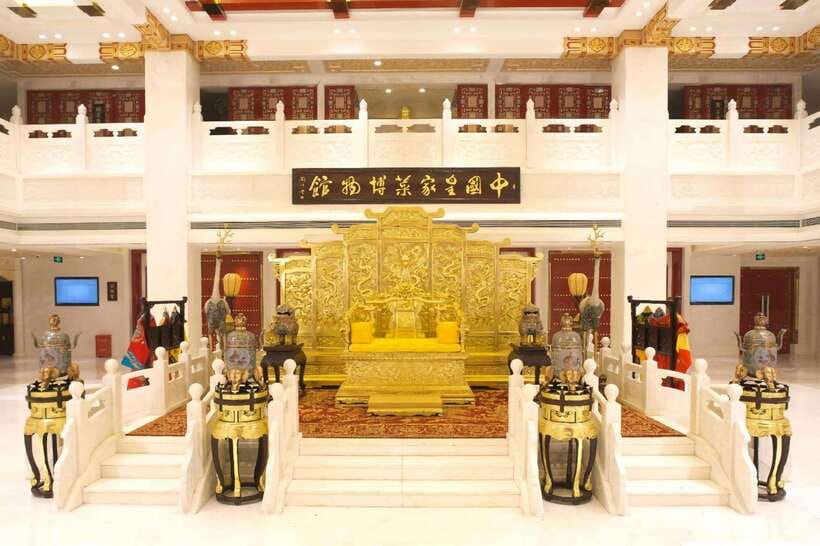
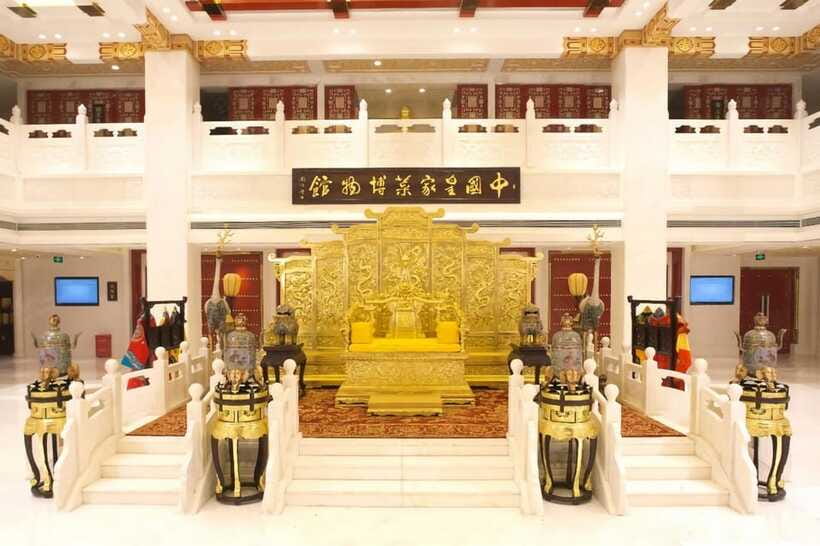
The Yuxiandu Imperial Cuisine Museum is in Beijing’s Haidian District, near Sijiqing Bridge. It functions as both a museum and a restaurant, which matters because the meal is tied to the exhibits rather than presented as a stand-alone banquet.
The museum follows the development of Chinese royal cooking across roughly five thousand years. You’ll encounter displays about famous court dishes and the chefs associated with them, along with dining vessels and written records. These objects help explain an important point: in the imperial court, food was not only about hunger or pleasure. It also reflected rank, ceremony, taste, health, and political power.
I like this setup because it gives the dishes a setting. Roast duck is one thing on an ordinary restaurant menu. It feels different when you are eating it as part of a meal built around the habits and ceremonies of China’s rulers.
The collection includes more than 1,000 historic objects. The supplied information does not give a room-by-room museum route, so you should not expect a standard guided tour with named galleries or a detailed lecture schedule. Think of the museum as the cultural frame for your meal, with displays that help you place the food in time.
The attraction is rated as a national AAA-level tourist site, a Chinese designation connected with service and facility standards. That does not mean every part of the evening will suit every diner, but it does point to a formal, organized venue rather than a casual neighborhood restaurant.
Visitors building a Beijing itinerary usually shortlist these too:
- From Beijing: Mutianyu Great Wall Tours with Options
★ 4.9 · 9,216 reviews - Beijing: Forbidden City Tour(Group/Private)-Tickets Included
★ 4.8 · 7,974 reviews - Beijing: T-Square & Forbidden City Group or Private Tour
★ 4.8 · 4,446 reviews
Arriving for the lunch or dinner seating
Timing is unusually specific, so take it seriously. For lunch, ticket checking is at 11:38 AM, and the performance begins at 12:10 PM. For dinner, ticket checking is at 6:28 PM, followed by the show at 6:50 PM.
Arrive a few minutes before the stated ticket-checking time. You need time for queues, ticket checks, and seating. This is not the sort of booking where arriving at the advertised performance time is wise, since part of the experience takes place before the show.
Pay close attention to your email after booking. The QR code produced by the booking platform is not the actual ticket. Your real ticket is sent separately by email, so check your inbox and have the correct information ready when you arrive.
The experience lasts about three to four hours. That gives you enough time for a substantial meal, the museum setting, and the performance, but it also means you should treat this as a major half-day or evening plan. Avoid scheduling a tightly timed attraction immediately afterward.
No guide’s name is provided, and the information does not specify a group size or hotel transportation. You should plan your route to the Haidian District independently unless your booking confirmation provides extra arrangements.
The imperial-style menu, course by course
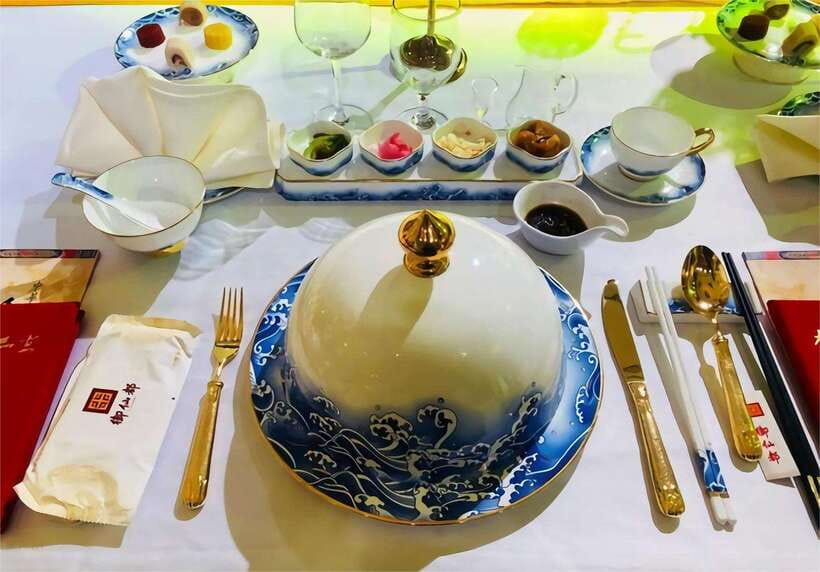
The menu is broad rather than minimal. It combines small snacks and appetizers with banquet dishes, meat, seafood, noodles, and sweet finishes. Portions and serving order are not specified, so you should view the list as the planned meal rather than assume a particular restaurant-style presentation.
The meal includes:
- Snacks
- An appetizer
- An appetizer platter
- Braised sea cucumber with fish maw in a casserole
- Marinated tofu and bamboo shoots
- Roast duck with jujube wood
- Chinese cabbage in soup
- Roasted lamb
- Longevity noodles with poached eggs
- Deep-fried dough sticks, or youtiao, with milk
- Yogurt filled with honey
The sea cucumber with fish maw is one of the more formal dishes on the menu. Both ingredients have long been associated with banquet cooking and luxury food traditions in China. If you are curious about dishes that rarely appear in ordinary Western Chinese restaurants, this course is one of the reasons the meal has cultural value.
The roast duck is prepared with jujube wood, which gives the dish a distinctive link to Chinese cooking methods and regional ingredients. It is paired with roasted lamb, so the main part of the meal offers two very different meat dishes rather than relying on duck alone.
Marinated tofu and bamboo shoots provide a lighter, more vegetable-focused contrast. Chinese cabbage in soup also gives the menu a gentler course between heavier dishes. I appreciate that the list is not simply a parade of expensive ingredients. It includes everyday Chinese foods as well as court-associated specialties.
The longevity noodles with poached eggs are an especially fitting late course. Long noodles traditionally suggest a long life, making them more than a filler at the end of dinner. They add a bit of symbolism to the meal, which is exactly the sort of detail that helps explain why imperial cuisine is about ceremony as much as taste.
The final items bring together familiar and playful flavors. Youtiao with milk recalls a popular Chinese breakfast combination, while yogurt with honey offers a sweet finish. The menu therefore moves between grand banquet dishes and foods with a more familiar place in Chinese eating habits.
The information does not specify vegetarian, allergy-friendly, halal, or other dietary substitutions. If you have food restrictions, ask before booking rather than counting on changes at the table. A large set menu also means this may not suit someone who prefers to choose every dish independently.
A palace room and a traditional performance
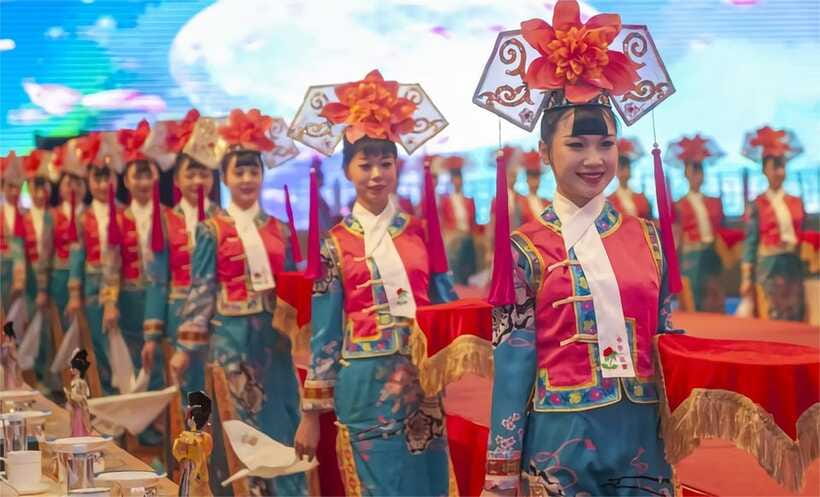
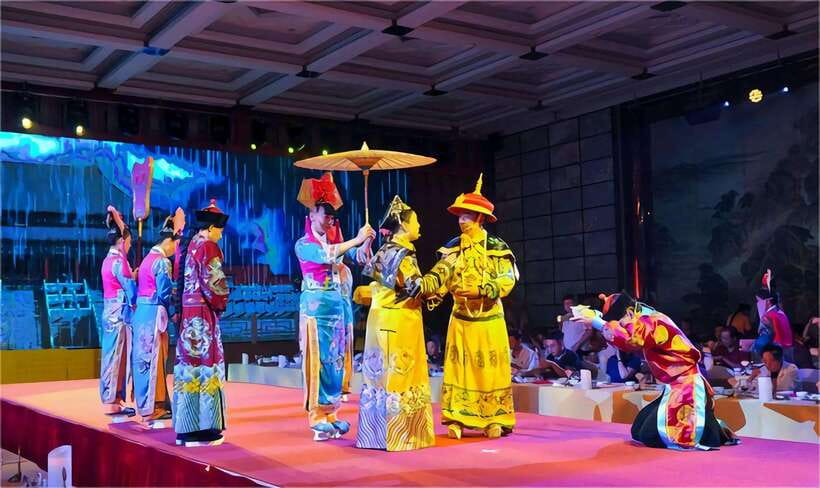
The restaurant is designed to resemble an ancient palace setting. You are meant to feel less like a diner in a modern restaurant and more like a member of an imperial household attending a formal meal.
That theatrical design is central to the experience. The food alone would not justify the price for everyone, but the setting adds ceremony and gives the performance a natural home. The evening is built as a complete cultural presentation, not as dinner with a random stage act added afterward.
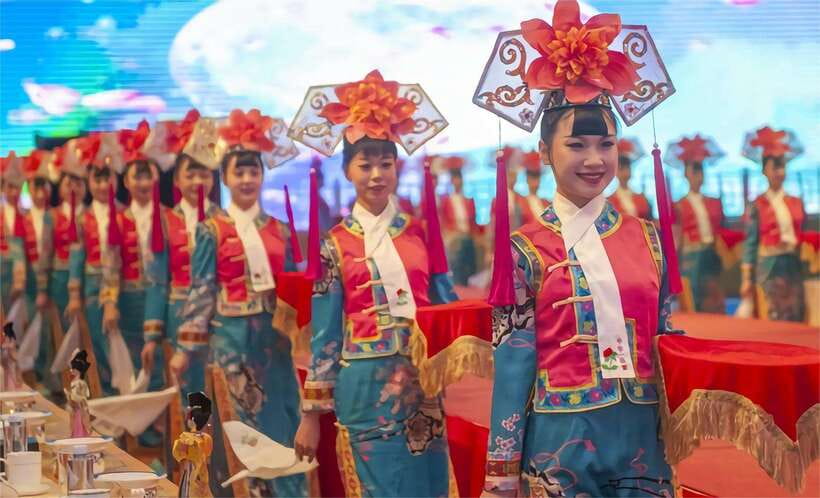
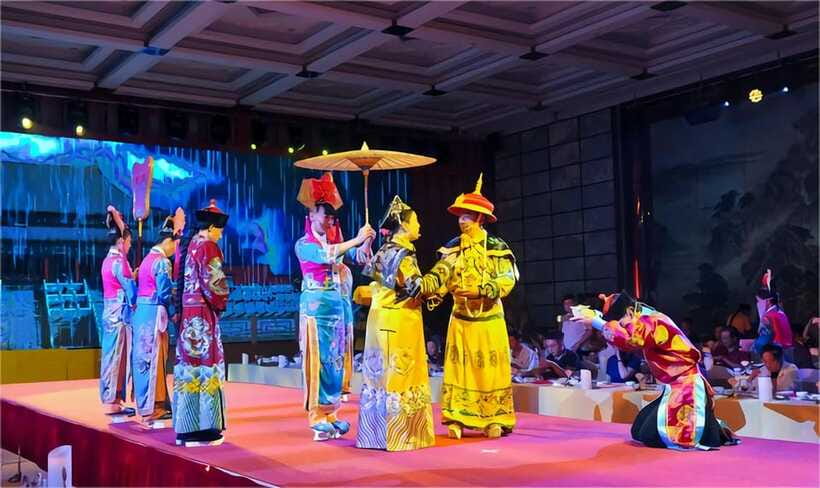
The performance is included in the ticket. Details about its exact length, performers, or program are not supplied, so I would not book expecting a specific opera, dance, or named artist. What is clear is that traditional presentation, music, dance, color, and costume are important parts of the show.
This was the most praised part of the experience in the available feedback. One Polish visitor described the historical presentation as a combination of traditional costumes, music, dance, colors, and Chinese flavors. That gives you a useful picture of the evening’s tone: expect visual spectacle and cultural storytelling rather than a quiet restaurant meal.
The show also helps explain the strong overall ratings, which average 4.7 from six ratings. The high marks focus on the atmosphere, the performance, and the chance to try several Chinese dishes in one sitting.
Still, the format is not for everyone. If you want a slow, intimate dinner with plenty of conversation, a staged banquet may feel too formal or busy. If you enjoy historical pageantry, costume, and food presented as part of a story, the format makes more sense.
Swap the crowds for a different corner of Beijing:
- Beijing: Mutianyu Great Wall Daily Tour with Ticket & Lunch
★ 5.0 · 3,056 reviews - All-Inclusive Tour: Tiananmen Square, Forbidden City, Great Wall
★ 5.0 · 2,873 reviews - MuBus: Mutianyu Great Wall ENG/ESP/RUS Guided Bus Tour
★ 5.0 · 2,361 reviews - 4-Hour Small Group Tour to Forbidden City with Entry Tickets
★ 5.0 · 1,863 reviews
What the $137 price really buys
At $137 per person, the cost is high compared with an ordinary Beijing dinner. You are paying for a meal, a museum setting, a formal venue, and a performance, not simply for the ingredients on the plate.
The value improves if you want one planned evening that combines food and culture. You do not need to arrange a separate performance or spend time choosing several restaurants. The museum also gives the meal context, which can be useful if you are visiting Beijing for a short time and want a polished introduction to imperial food traditions.
The value weakens if you are mainly seeking low-cost local cooking. You can eat excellent Chinese food for far less, and one Singaporean diner specifically felt the tickets were expensive through this booking channel and suggested checking direct purchase options. That is practical advice: compare the final price with the venue or other booking channels before paying.
I would also ask yourself how much you value presentation. The menu includes costly and ceremonial ingredients, but the real selling point is the combination of food, history, and stagecraft. If that package appeals to you, the price may feel fair for a special night. If you care only about flavor, it is harder to defend.
Traditional costume and makeup transformation are not included. If you have seen photos of diners dressed in imperial clothing, check carefully before assuming that styling is part of your ticket. You may be able to arrange it separately, but that is not promised by the supplied details.
Who will get the most from this experience
I would recommend this for first-time visitors who want a single, organized introduction to Chinese court food and performance. It is also a good match for couples, families with older children, and anyone marking a birthday or other special occasion.
Food-focused visitors may enjoy the menu’s range. You can try sea cucumber with fish maw, roast duck, lamb, tofu, bamboo shoots, longevity noodles, youtiao, and honey yogurt in one sitting. That is a useful sampler if you want variety and do not have time to plan a food tour.
History-minded visitors will appreciate the museum displays and the link between utensils, documents, royal cooks, and dishes. The experience does not provide enough stated detail to promise a scholarly lecture, but it offers more cultural context than a standard dinner show.
It is less suitable for toddlers, since children under two are not permitted. It may also disappoint independent diners who prefer small local restaurants, flexible ordering, or an unplanned evening.
The venue is wheelchair accessible, which makes it a practical option for many people with mobility needs. You should still confirm any personal seating or access requirements before arrival, since the available details do not describe the exact layout.
How to decide if the performance is worth it
The strongest reason to book is the combined format. You are not only eating a long Chinese menu. You are entering a palace-style room, seeing objects connected with royal dining, and watching a traditional performance.
The strongest reason to hesitate is the price. At $137, this should be a deliberate choice, not an impulse booking. Compare the cost with direct options, and consider how much you would normally spend on dinner and an evening show in Beijing.
I also like the flexible booking terms. You can cancel up to 24 hours in advance for a full refund, and the reserve-now, pay-later option lets you hold a place without paying immediately. Those terms are useful when your Beijing schedule is still moving.
Book this experience if you want a polished cultural evening, enjoy banquet food, and value ceremony as much as casual authenticity. Skip it if you are looking for the cheapest dinner, a small local restaurant, or a performance with a clearly published program and named performers.
FAQ
Where does the Imperial Cuisine Experience take place?
It takes place at the Yuxiandu Imperial Cuisine Museum in Beijing’s Haidian District, near Sijiqing Bridge.
How long does the experience last?
The activity lasts about three to four hours.
What time is lunch ticket checking?
Lunch ticket checking is at 11:38 AM, and the performance begins at 12:10 PM.
What time is dinner ticket checking?
Dinner ticket checking is at 6:28 PM, and the performance begins at 6:50 PM.
What is included in the booking?
The booking includes the meal and the performance.
Are traditional costumes and makeup included?
No. Traditional costume and makeup transformation are not included.
Is the experience wheelchair accessible?
Yes, the activity is listed as wheelchair accessible.
Are children under two allowed to attend?
No. The experience is not suitable for children under two.
Can I cancel for a refund?
Yes. You can cancel up to 24 hours in advance for a full refund. A reserve-now, pay-later option is also available.
Latest additions around Beijing
- Private Hike from Beijing: Go Beyond The Jiankou and Mutianyu Great Wall★ 5.0 · 3 reviews
- Bullet Train Private Tour: Beijing Tiananmen Square, Forbidden City & Great Wall★ 5.0 · 3 reviews
- Private Great Wall Hiking Tour from Simatai West to Jinshanling★ 4.5 · 3 reviews
- Private Transfer for Beijing Airport PEK or PKX★ 5.0 · 3 reviews
- Liyuan Theater Beijing Opera Show Tickets★ 5.0 · 3 reviews
- Private Jinshanling relax photo tour by sunset★ 5.0 · 3 reviews
- Private All-inclusive Jinshanling Great Wall 1-day tour★ 4.5 · 3 reviews
- Beijing Night Tour with Acrobatics Show & PekingDuck Dinner★ 5.0 · 3 reviews