Reviewed · TICKETS
Beijing:Drum and Bell Towers Entry Ticket- Cultural Treasure
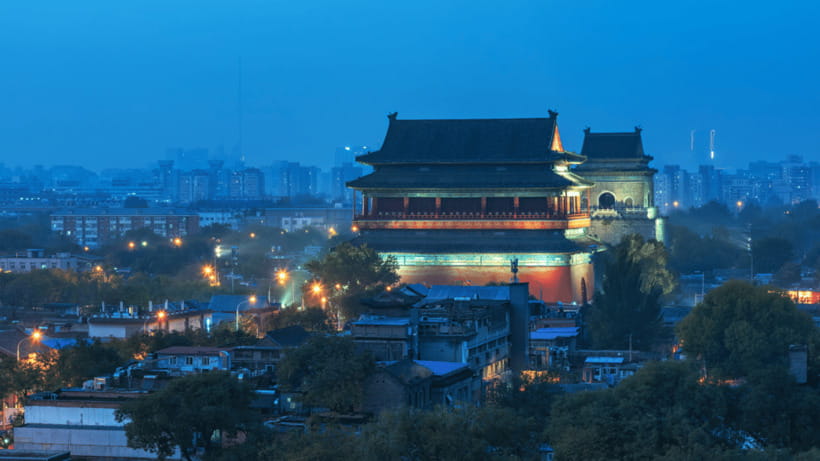
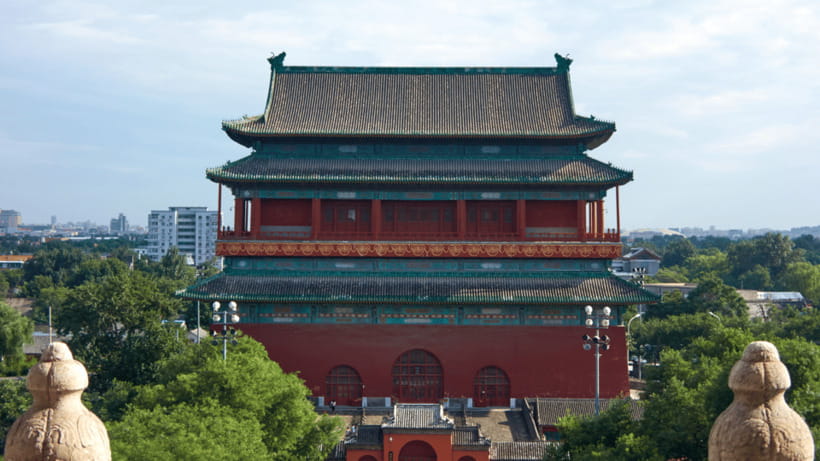
Beijing’s Drum and Bell Towers offer a clear look at how the imperial city once kept time. The 63-ton Ming bell and the Drum Tower’s former set of 25 drums give these buildings more weight than a quick photo stop. They are also part of Beijing’s central north-south axis, close to the city’s old hutongs.
I like the convenience of pre-booked entry with QR codes, especially during busy periods such as China’s Golden Week. I also like the English PDF guide, which adds useful background on the towers and points you toward nearby hutongs and restaurants. The main drawback is value: at $13 per person, the booking service may cost more than buying a ticket at the site.
In This Review
- Key points to know before you go
- Why Beijing’s Drum and Bell Towers matter
- Entering the Drum Tower and seeing the old time signal
- The Bell Tower and China’s King of Ancient Bells
- What the English guide adds
- The nearby hutongs make the visit better
- Is the $13 ticket good value?
- Booking, entry, and timing
- Who should book this experience?
- Should you book the Drum and Bell Towers?
- FAQ
- What does the ticket include?
- Is a live guide included?
- Is an audio guide available?
- How long does the visit take?
- What identification should I bring?
- How do I receive the tickets?
- Can I cancel for a full refund?
Key points to know before you go
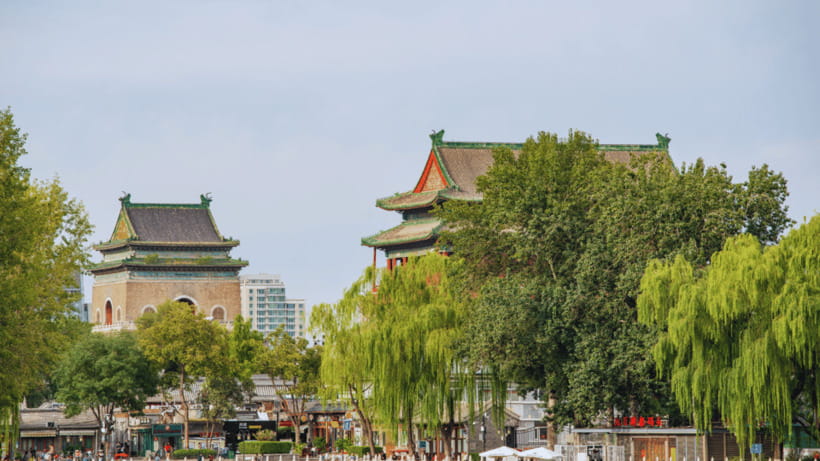
- Two historic towers in one visit: Your ticket covers both the Drum Tower and the Bell Tower.
- The 63-ton Yongle bell: Cast during the Ming Dynasty, it is known as China’s King of Ancient Bells.
- An English visual guide is included: You receive written information rather than a live guide or audio commentary.
- QR entry helps at busy times: E-tickets are sent by email or WhatsApp after the reservation is confirmed.
- Steep stairs are part of the visit: The climb is long and sharply angled, so this is not suitable for anyone with limited mobility.
- Hutongs are right nearby: Add time before or after your visit to walk Beijing’s traditional neighborhood lanes.
Why Beijing’s Drum and Bell Towers matter

The Drum and Bell Towers were not built simply as grand decorations. They served as Beijing’s official timekeeping center during the Yuan, Ming, and Qing dynasties. For centuries, the rhythm of the drums and the sound of the bell helped mark the day for the imperial capital.
The basic system was simple: a drum at dusk and a bell in the morning. In a city without watches, phones, or public clocks, these sounds had practical force. They helped define the daily schedule and gave the capital a shared sense of time.
The buildings first took shape during the Yuan Dynasty, from 1206 to 1368. They continued to serve their timekeeping role through the Ming period, from 1368 to 1644, and the Qing period, from 1644 to 1911. That long use gives the visit a useful focus. You are not only looking at old architecture. You are seeing the former public clock of Beijing.
The towers sit at the northern end of the city’s central axis. Their position is important because Beijing’s historic plan was carefully ordered around this north-south line. The towers form part of that grand urban design, but their arrangement has a small quirk: the Bell Tower sits slightly north of the Drum Tower.
The whole protected complex covers 12,597 square meters. That does not mean you will spend all two hours walking through a huge museum. Instead, the visit gives you time to see both structures, climb their stairs, study their design, and use the written guide to place them in context.
A few more Beijing options to compare side by side
- Beijing: Forbidden City Tour(Group/Private)-Tickets Included
★ 4.8 · 7,974 reviews - Beijing: Mutianyu Great Wall Daily Tour with Ticket & Lunch
★ 5.0 · 3,056 reviews - 4-Hour Small Group Tour to Forbidden City with Entry Tickets
★ 5.0 · 1,863 reviews
Entering the Drum Tower and seeing the old time signal
Begin with the Drum Tower, where the scale of the building and the climb make the strongest first impression. The tower once held 25 drums. Those drums were used to mark time, especially at dusk, when the city’s daily rhythm changed.
The climb is not a minor detail. The stairs are steep, long, and tiring. You should expect the ascent to be part of the experience rather than a quick walk up a gentle staircase. If you have limited mobility, this attraction is not a good match.
At the top, the architectural setting helps explain why the tower mattered. A time signal had to carry across the city, and a tall, solid structure was a practical place for it. The tower’s height also gives the building a commanding presence within the old city plan.
The English textual and visual guide can help you look past the basic shape of the building. Use it to understand the former drum system and to notice details you might otherwise pass without a second thought. Since there is no live guide and no audio guide included, the printed or digital material is your main source of explanation during the visit.
The Drum Tower is likely to be the more physically demanding part of the stop. Give yourself time at the top rather than treating the climb as a race. A slower visit lets you connect the building’s design with its original job, which was to send sound across Beijing.
The Bell Tower and China’s King of Ancient Bells

The Bell Tower sits slightly north of the Drum Tower, a detail that makes the pair more interesting. The two buildings belong together, but they are not placed as a perfectly symmetrical set.
The main object here is the great bell cast during the Yongle era of the Ming Dynasty, from 1403 to 1424. It weighs 63 tons and is known as the King of Ancient Bells in China. That figure is easy to read and hard to grasp until you are standing near the bell itself. Its size gives the Bell Tower a different character from the Drum Tower, even though both buildings served the same broad purpose.
The bell’s role was tied to the morning signal, while the drums marked dusk. Together, the two towers created a daily pattern that reached beyond the buildings themselves. This is one reason I find the visit worthwhile. The towers are not isolated monuments. They represent a system that once shaped ordinary life throughout the capital.
The Bell Tower also involves stairs, so you should not expect an easy ground-level museum visit. Wear sensible shoes and keep the two-hour schedule flexible enough for breaks. The ticket covers both towers, so you gain more from it if you are prepared to climb and spend time inside each building.
What the English guide adds
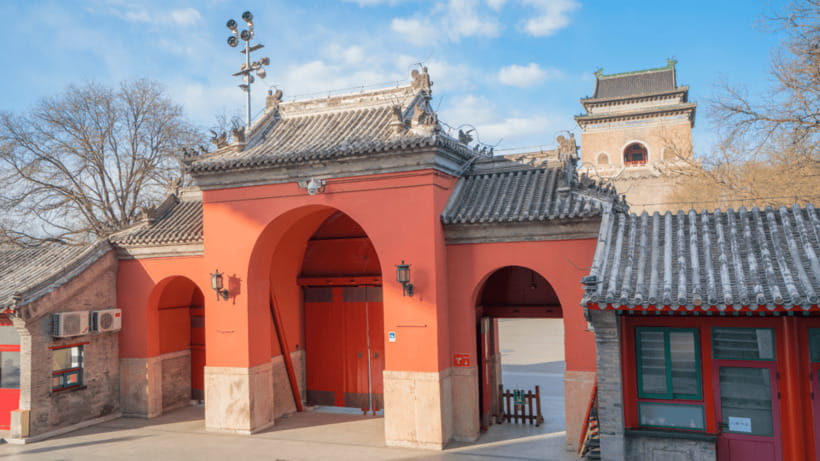
The included English textual and visual guide is useful for independent visits. It gives you information to read as you move through the complex and can help explain the hutongs around the towers. One especially useful feature is its attention to nearby places to eat, which can turn the tower visit into a wider stop in the old city.
This material does not replace a human guide. No live tour guide is included, and there is no audio guide. If you prefer a storyteller who can answer questions as you go, you may find the experience quiet and self-directed.
That is also its strength. You can set your own pace. Read the parts that interest you, pause at the bell and drums, and move on when you are ready. You are not tied to a group schedule or a spoken presentation.
The guide is particularly helpful if you have not studied Beijing’s central axis or the role of timekeeping in imperial cities. Without context, the towers can look like two impressive old buildings. With context, the bell, drums, location, and layout begin to fit together.
Swap the crowds for a different corner of Beijing:
- From Beijing: Mutianyu Great Wall Tours with Options
★ 4.9 · 9,216 reviews - Beijing: T-Square & Forbidden City Group or Private Tour
★ 4.8 · 4,446 reviews - All-Inclusive Tour: Tiananmen Square, Forbidden City, Great Wall
★ 5.0 · 2,873 reviews - MuBus: Mutianyu Great Wall ENG/ESP/RUS Guided Bus Tour
★ 5.0 · 2,361 reviews
The nearby hutongs make the visit better
The towers sit beside Beijing’s old hutong neighborhoods. These traditional lanes add a more everyday side to the visit. The towers show the city’s formal, imperial order. The hutongs bring you closer to the lower-scale streets and residential areas that grew around that historic center.
Plan to walk through the hutongs before or after entering the towers. The experience provider’s English material includes information about the surrounding lanes and suggestions for nearby restaurants, so you can use the visit as a starting point rather than leaving immediately after the second tower.
This nearby setting is one of the best reasons to book the attraction as part of a wider afternoon. The towers themselves can fit into two hours, but the surrounding area gives you more room to understand Beijing beyond its major palace and temple sights.
Keep your expectations sensible. The towers are important, but they are not Beijing’s only major attraction. One Spanish visitor described the stop as interesting while feeling that it was a smaller sight compared with other things to see in the city. I agree with that general assessment. If your schedule is tight, you may place the towers below the Forbidden City, the Temple of Heaven, or other major landmarks.
If you have already seen Beijing’s headline sights, though, the Drum and Bell Towers can provide a welcome change of scale. The visit is focused, historic, and easy to pair with a walk through the old lanes.
Is the $13 ticket good value?

The listed price is $13 per person. That covers entry to both the Drum Tower and Bell Tower, plus the English textual and visual guide. It also gives you the convenience of receiving e-tickets in advance and entering with the QR codes supplied to you.
The value depends on what matters most to you. If you want the lowest possible admission price, this may not be the best deal. One Italian visitor felt the prepaid ticket was far higher than the amount payable at the site. That is the clearest warning attached to this experience.
You are paying partly for convenience. The service reserves the tickets three days before your visit, asks for your passport name, passport number, and date of birth, then sends the confirmed e-tickets by email or WhatsApp. During a busy travel period, that can remove uncertainty and save you from dealing with ticket queues.
Another Italian visitor rated the experience highly but still objected to the price difference. That is a useful way to think about the purchase: the attraction itself can be worthwhile, while the booking service may not offer the cheapest admission.
For many people, $13 is reasonable if avoiding a queue and receiving clear English material are priorities. If you are comfortable buying on site and the price there is lower, you may prefer to handle admission yourself. Check the local price before committing if saving money matters more than advance planning.
Booking, entry, and timing

After you place the order, you must provide your passport name, passport number, and date of birth. The reservation is made three days before your chosen visit. Once it succeeds, the e-tickets are sent to you by email or WhatsApp.
Bring your passport or ID card. You should also have the QR code ready on your phone when you arrive. The stated entry process allows you to go directly into both towers with the supplied e-tickets, which is the main practical benefit of booking ahead.
The visit duration is about two hours. That is enough time for the two towers and the guide material, but it leaves limited room for a long hutong walk or a leisurely meal. If you want to explore the surrounding lanes, treat the two-hour figure as the tower portion and add extra time.
You can check available starting times before booking. The schedule is not described as a guided departure, so this is better understood as timed admission rather than a group tour.
The free cancellation policy allows a full refund when you cancel at least 24 hours in advance. You can also reserve now and pay later, which helps if your Beijing plans are still changing.
Who should book this experience?

I would recommend the towers to history fans, architecture enthusiasts, and first-time visitors who want to see a less obvious part of Beijing’s central axis. It also suits independent visitors who like to read a guide and move at their own pace.
The booking is especially useful during crowded periods. A Romanian visitor booked during China’s Golden Week and received the tickets, QR codes, and English PDF well in advance. That kind of preparation can make a real difference when demand is high.
Families with older children may enjoy the story of the bell and drums, but the stairs deserve serious thought. The buildings are not suitable for people with reduced mobility, and the climb may be tiring even for otherwise fit visitors.
You should also consider how much time you have in Beijing. If this is your first short visit and your schedule is packed, the towers may be a secondary choice. If you have already covered the major imperial sights, they offer a compact way to see how the city once worked.
Should you book the Drum and Bell Towers?
Book this experience if you value advance entry, English background material, and a self-guided visit near Beijing’s hutongs. The historic bell, former drum system, and unusual north-south arrangement give the stop real substance, while the two-hour length makes it easy to fit into a larger day.
Think twice if your main goal is the lowest ticket price, if you dislike steep stairs, or if you expect a live guide. The $13 price may be higher than buying at the site, and the experience includes no spoken tour or audio commentary.
My practical choice would be to book ahead during a busy season, then allow extra time for a hutong walk and a nearby meal. During a quieter period, compare the on-site price first. That small check will tell you if the convenience is worth the added cost.
FAQ
What does the ticket include?
The ticket includes entry to the Drum Tower and Bell Tower, along with an English textual and visual guide.
Is a live guide included?
No. A live tour guide is not included.
Is an audio guide available?
No audio guide is included with this activity.
How long does the visit take?
The stated duration is two hours. You can add more time if you plan to explore the nearby hutongs or eat at a nearby restaurant.
What identification should I bring?
Bring your passport or ID card. Your passport name, passport number, and date of birth are required for the reservation.
How do I receive the tickets?
After the reservation is successful, the e-tickets are sent by email or WhatsApp. You can enter the towers directly with the supplied e-tickets.
Can I cancel for a full refund?
Yes. You can cancel up to 24 hours before the visit for a full refund.
Latest additions around Beijing
- Private Hike from Beijing: Go Beyond The Jiankou and Mutianyu Great Wall★ 5.0 · 3 reviews
- Bullet Train Private Tour: Beijing Tiananmen Square, Forbidden City & Great Wall★ 5.0 · 3 reviews
- Private Great Wall Hiking Tour from Simatai West to Jinshanling★ 4.5 · 3 reviews
- Private Transfer for Beijing Airport PEK or PKX★ 5.0 · 3 reviews
- Private All-inclusive Jinshanling Great Wall 1-day tour★ 4.5 · 3 reviews
- Liyuan Theater Beijing Opera Show Tickets★ 5.0 · 3 reviews
- Private Jinshanling relax photo tour by sunset★ 5.0 · 3 reviews
- Beijing Night Tour with Acrobatics Show & PekingDuck Dinner★ 5.0 · 3 reviews
Tickets, compared.

Forbidden City Tour(Group/Private)-Tickets Included
Read our review →
Mutianyu Great Wall Daily Tour with Ticket & Lunch
Read our review →
4-Hour Small Group Tour to Forbidden City with Entry Tickets
Read our review →
The Temple of Heaven or Summer Palace Entry Ticket
Read our review →
Beijing Forbidden City Ticket Booking (Optional: guide service)
Read our review →
Mutianyu Gt Wall Trip, Depart 8-10am Bus w/ Tickets
Read our review →
Forbidden City&T-Square Small GroupTours w/ ticket(Eng/Esp Guide)
Read our review →