
Reviewed · TRAIN EXPERIENCES
Private Day Trip to Tianjin from Beijing by Bullet Train
Tianjin makes an easy and worthwhile escape from Beijing, thanks to a 35-minute first-class bullet train ride and a day that mixes imperial history, European-style streets, oddball art, shopping, and local food. I like the fast rail journey itself, and I like having a private guide to explain the city instead of trying to piece it together alone.
I also like the careful timing and built-in transport, with lunch, attraction tickets, subway or taxi fares, and central hotel pickup included. The main drawback is the packed schedule: you will walk quite a bit, and this is not the best choice if you want a slow, unhurried day.
In This Review
- Key points to know before you book
- Why Tianjin works as a day trip from Beijing
- The morning train from Beijing South Railway Station
- Jingyuan and the story of Puyi
- Five Great Avenues and a Tianjin-style lunch
- The Porcelain House, Tianjin’s most unusual stop
- Riverside 66 and the modern city
- Ancient Culture Street and jianbing
- The riverside promenade and Italian-style streets
- What the guides add to the day
- Is the $229 price good value?
- Who should book this Tianjin day trip?
- Should you book it?
- FAQ
- How long does the Beijing to Tianjin train ride take?
- Where does the tour begin?
- Is hotel pickup and drop-off included?
- Which train seating options are available?
- What happens if Jingyuan is closed?
- Is lunch included?
- Is the tour suitable for young children?
- What documents do I need?
Key points to know before you book
- The 35-minute train ride is the star transport link: You avoid a long road transfer and get a comfortable look at the suburbs between Beijing and Tianjin.
- Jingyuan changes the historical focus: You visit the former home of Puyi, China’s last emperor, or Qing Wang Fu if Jingyuan is closed on Monday.
- Five Great Avenues gives Tianjin its own character: More than 230 buildings reflect British, French, Spanish, Italian, and German design.
- The Porcelain House is wonderfully strange: This museum uses pottery and antiques to cover a building in a bold, highly unusual skin.
- Local food is part of the day: Lunch and a chance to try jianbing, a Chinese crepe, are included.
- Guide quality matters here: Lily, Maggie, and Kris have each led highly praised tours, with special comments on organization, English, energy, and care.
Why Tianjin works as a day trip from Beijing
Beijing can fill several days without effort, but its scale and crowds may leave you wanting a change of pace. Tianjin offers that change without demanding another hotel or a long journey. The cities are linked by high-speed rail, and the train ride takes roughly 30 to 35 minutes.
That short ride changes the mood of the day. You leave Beijing South Railway Station, settle into your assigned seat, and watch the Chinese suburbs pass by. The train reaches speeds of about 200 miles per hour, according to the tour details, so this is not merely a transfer. It is a small part of the experience.
The tour lasts about 10 hours, beginning with a 9:00 a.m. meeting in your hotel lobby and ending with a return to central Beijing. A private format means only your group participates. That gives you room to ask questions, adjust the pace within reason, and tell your guide what interests you most.
I would choose this trip if you have already seen some of Beijing’s major sights and want a city with a different architectural mix. I would not choose it as a rest day. The schedule includes several stops, walking through streets and shopping areas, and rail connections that require you to stay on time.
More Tianjin port-day options:
- Private Day Trip: Discover Tianjin by Bullet Train from Beijing
★ 5.0 · 14 reviews - Private Transfer to Tianjin Xingang Cruise Port-Every Group Size
★ 5.0 · 10 reviews - Private Great Wall Tour from Tianjin Cruise Port
★ 5.0 · 8 reviews
The morning train from Beijing South Railway Station
Your guide meets you in the hotel lobby at 9:00 a.m. and takes you to Beijing South Railway Station. The central hotel restriction matters here: pickup and drop-off are provided within Beijing’s 4th Ring Road, but not at the airport or outlying areas.
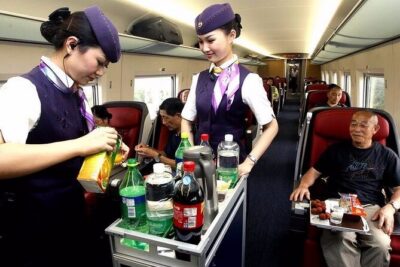
The first-class option gives you a more comfortable ride, while a business-class option is also available when booking. Both include a round-trip bullet train seat. Your guide handles the movement between Beijing and Tianjin, which is useful if you do not read Chinese or want to avoid sorting out rail details on your own.
Bring your current passport. The passport front page is required when booking for all participants, and the passport itself is required on the day of travel. This is one detail to take seriously, since a missing document can spoil an otherwise well-planned day.
The rail station and train ride are also a good reason to wear easy walking shoes. You will need a moderate level of fitness for the full outing, even though the train itself is restful.
Jingyuan and the story of Puyi
After arriving in Tianjin, the first planned visit is Jingyuan, also called the Garden of Serenity. This was the former residence of Puyi, the last emperor of China. It gives the day a strong historical opening and puts a real person and former imperial household at the center of the visit.
The attraction is scheduled for about 40 minutes. That is enough for an introduction and a look around, though not enough for a slow, detailed study of every room. Your guide’s explanation matters here, since the meaning of Puyi’s life and residence is not always obvious from the building alone.
Jingyuan is closed on Mondays. On that day, the tour visits Qing Wang Fu instead. That substitution keeps the itinerary moving, but it means you should check the day of the week if Jingyuan is the main reason you want to book.
This stop is best for anyone interested in China’s imperial past, political change, and the way historic homes reveal private life. If you prefer open-air streets and shopping, it is a shorter, quieter start before the more active parts of Tianjin.
Five Great Avenues and a Tianjin-style lunch
The next stop brings you to Five Great Avenues, a district known for more than 230 buildings in British, French, Spanish, Italian, and German styles. The area reflects Tianjin’s colonial-era past, and the mix of architecture helps explain why the city feels so different from Beijing.
Your guide walks with you and discusses the period behind the buildings. This is a place where context improves the view. Without an explanation, you may simply see handsome foreign-style homes. With one, you can connect the streets to Tianjin’s role as an international port and the complicated period of outside influence.
The visit lasts about 45 minutes and includes a Tianjin-style lunch. Having the meal built into the tour is practical, especially on a short day when finding a restaurant could cost valuable time. It also adds a local flavor that a simple sightseeing loop might miss.
The tradeoff is that lunch is part of a fixed program. You do not have unlimited time to browse menus or linger over a meal. If food is your main interest, tell your guide early that you would like to pay close attention to local specialties.
A few more Beijing options to compare side by side
- Beijing to Xi’an See Terracotta Warriors with Bullet Train Round Trip Transfer
★ 5.0 · 238 reviews - Beijing to Datong See YunGang Cave, Hanging Temple (Bullet Train)
★ 5.0 · 39 reviews - Beijing: Xi’an Terracotta Tour by Train-All Tickets Included
★ 5.0 · 27 reviews - Beijing:Bullet Train Tour to Hanging Temple&Yungang Grottoes
★ 5.0 · 16 reviews
The Porcelain House, Tianjin’s most unusual stop
The Porcelain House is a contemporary museum of pottery and antiques, and it is one of the day’s most distinctive sights. The building is decorated with ceramic pieces, which gives it an unmistakable appearance. It is not a conventional palace, temple, or historic residence. It is an eccentric art and architecture stop.
You have about 45 minutes here. That is a sensible amount of time for a first visit, since the attraction is visually dense and unusual rather than a large traditional museum. You can look closely, take in the design, and ask your guide how it fits into modern Tianjin.
I like the contrast. Jingyuan presents a former emperor’s home, while the Porcelain House uses old materials in a modern, playful way. Together, the two stops show that Tianjin is not only about grand old buildings.
Afterward, the route continues through Binjiang Dao Pedestrian Street and Heping Road shopping street. These areas give you a chance to browse, but the time is limited. Treat them as a taste of the city rather than a serious shopping expedition.
Riverside 66 and the modern city
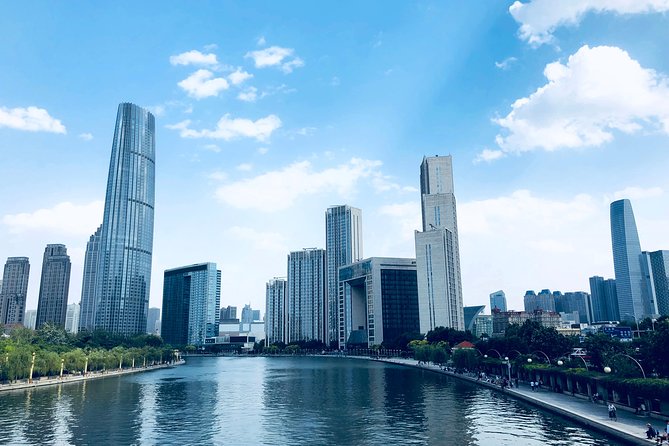
Riverside 66 is described as Tianjin’s largest shopping mall, with high-end merchandise and boutique shops. The building was designed by KPF, with architecture director Jeffrey Kenoff, and its long shell-like form rises six stories.
The scheduled stop is only 20 minutes. That tells you how to use it: see the building, get a feel for the modern retail side of Tianjin, and keep moving. You will not have much time for serious shopping or a relaxed coffee.
This short pause adds balance to the day. The route has historic homes, colonial streets, a ceramic museum, and local snacks. Riverside 66 shows the newer commercial face of the city. If designer stores are important to you, you may wish the stop were longer. If you prefer history, you will probably see it as a quick change of scene.
Ancient Culture Street and jianbing
Ancient Culture Street is where the tour turns toward local snacks and small-scale shopping. Your guide takes you to try jianbing, a Chinese crepe and one of the best-known street foods associated with Tianjin.
The stop lasts about 45 minutes. You can sample the food, browse along the street, and pick up small items if something catches your eye. The guide can help you understand what you are eating and how to order or choose, which is useful when menus or signs are hard to read.
The tour also includes lunch, so you should not expect this snack to replace the main meal. Think of it as a second food moment, with a more casual street-food feel.
Ancient Culture Street can be more commercial than a quiet historic lane, so keep your expectations in check. Its value is in the combination of local flavor, quick browsing, and an easy chance to try something you might otherwise skip.
The riverside promenade and Italian-style streets
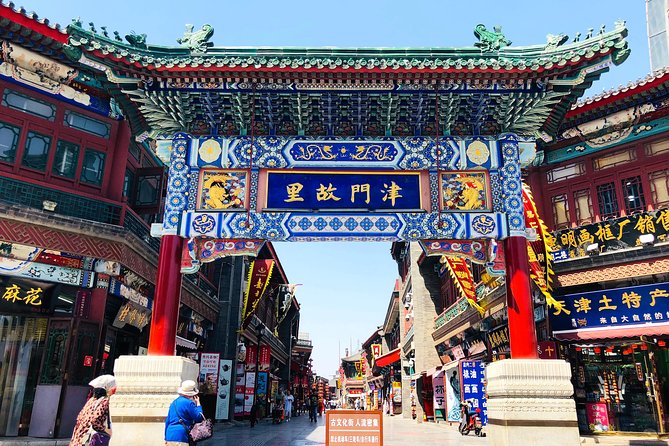
The final sightseeing section takes you along the Riverside Promenade, with views of Tianjin and a route past Italian Style Street. This area features fountains, Italian-style buildings, restaurants, cafés, bars, and boutique stores.
It is a good closing walk because it brings together several sides of the city: water, architecture, dining, and modern leisure. After the more focused visits earlier in the day, you have room to simply look around and take in the setting.
The exact amount of time here is not stated, so the guide may fit it around the day’s rail schedule and the pace of your group. That flexibility is one benefit of a private tour, though it also means you should not assume every stop will receive equal time.
What the guides add to the day
A private guide is especially useful on this route because the sights do not all tell their stories on their own. The old residences need historical explanation, the colonial buildings need context, and the Porcelain House benefits from someone who can explain what makes it unusual.
Several guides are specifically praised in the available tour feedback. Lily is described as highly organized and attentive to the group’s needs. Maggie is noted for friendly English, strong energy, and careful effort to cover the planned sights, with extra help for a seven-year-old child. Kris is described as calm, professional, informative, and caring.
Those details point to something important: guide quality can shape this day. The route involves stations, taxis or subway fares, timed rail seats, several neighborhoods, and a return train. A well-organized guide keeps the day from feeling like a race between disconnected stops.
The tour is private, but it is not a private car tour. You use the bullet train and may use taxis or the subway in Tianjin. That means you get more contact with ordinary city transport, but you also need to be ready for walking and station movement.
Is the $229 price good value?
At $229 per person, this is not the cheapest way to see Tianjin. You are paying for a private English-speaking guide, round-trip bullet train seats, entrance fees, lunch, taxi or subway fares, and central Beijing hotel pickup and drop-off.
The value improves if you are traveling as a small group and want the comfort of having the day organized. Group discounts are offered, so the final cost may work better for several people than for one solo visitor. You also avoid spending time arranging rail tickets, local transport, attraction admissions, and meals separately.
First-class rail seats add comfort, while business class is another booking choice. If the train ride is a major part of your interest, first class fits the spirit of the outing. If you care more about keeping the price down, compare the seat options before paying.
The price is harder to justify if you are confident using Chinese rail travel, prefer to explore independently, or want to spend hours in only one neighborhood. This tour earns its cost through convenience, guiding, and the range of included services, not through long visits at each attraction.
The tour is recommended for children aged six and older, and children must be accompanied by an adult. It is not suitable for children under six. Anyone joining should be comfortable with a full day of walking and changes between train, taxi, subway, and city streets.
Who should book this Tianjin day trip?
I would recommend it to first-time Tianjin visitors who want a broad introduction in one day. It works well for couples, families with older children, and small groups who value a private guide and do not want to handle the rail journey alone.
It is also a good match if you want contrast with Beijing. You get imperial history, foreign-influenced architecture, modern retail, street food, and a riverside walk without a long transfer.
I would hesitate if you want a slow photography day, a deep museum visit, or a food-focused tour. The schedule is active, and the 10-hour format asks you to keep moving. The Monday replacement at Jingyuan is another point to consider if Puyi’s residence is essential.
The tour has a 4.9 rating from 22 ratings and a 100 percent recommendation figure, with particular praise for guides such as Lily, Maggie, and Kris. Those scores cannot guarantee which guide you will receive, but they do highlight the part of the experience that seems most important: strong organization and personal attention.
Should you book it?
Book this trip if you want an efficient, guided first look at Tianjin and like the idea of making the train ride part of the fun. The route gives you more than a single landmark: Puyi’s former home, Five Great Avenues, the Porcelain House, local snacks, shopping streets, and the riverfront.
Skip it if you want complete control over your time or dislike fixed schedules. Also remember that the experience is non-refundable and cannot be changed after booking, so confirm your date, passport details, hotel location, and seat choice before you pay.
FAQ
How long does the Beijing to Tianjin train ride take?
The bullet train ride takes about 30 to 35 minutes. The tour describes it as a relaxing journey through the Chinese suburbs.
Where does the tour begin?
Your private guide meets you at 9:00 a.m. in your central Beijing hotel lobby, within the 4th Ring Road, before taking you to Beijing South Railway Station.
Is hotel pickup and drop-off included?
Yes, central Beijing hotel pickup and drop-off within the 4th Ring Road are included. Airport and outlying hotel pickup or drop-off are not included.
Which train seating options are available?
You can choose first-class or business-class seating when booking. Round-trip bullet train seats are included.
What happens if Jingyuan is closed?
Jingyuan is closed on Mondays. On that day, the tour visits Qing Wang Fu instead.
Is lunch included?
Yes, lunch is included. The day also includes a chance to try jianbing, a Tianjin-style Chinese crepe, at Ancient Culture Street.
Is the tour suitable for young children?
Children must be accompanied by an adult, and the tour is not suitable for children under six years old.
What documents do I need?
A passport front page is required when booking for all participants, and you must carry a current valid passport on the day of travel.
More 1-Day Tours in Beijing
- Mutianyu Great Wall and Summer Palace Private Day Trip with Lunch
★ 5.0 · 209 reviews - Private Custom Tour or Private Tour: Beijing in One Day
★ 4.5 · 119 reviews - Private Beijing Day Trip: Mutianyu Great Wall and Ming Tombs
★ 5.0 · 114 reviews - Full Day Trip Mutianyu Great Wall, Forbidden City, Tiananmen Sq.
★ 5.0 · 110 reviews
Latest additions around Beijing
- Private Hike from Beijing: Go Beyond The Jiankou and Mutianyu Great Wall★ 5.0 · 3 reviews
- Bullet Train Private Tour: Beijing Tiananmen Square, Forbidden City & Great Wall★ 5.0 · 3 reviews
- Private Great Wall Hiking Tour from Simatai West to Jinshanling★ 4.5 · 3 reviews
- Private Transfer for Beijing Airport PEK or PKX★ 5.0 · 3 reviews
- Liyuan Theater Beijing Opera Show Tickets★ 5.0 · 3 reviews
- Private Jinshanling relax photo tour by sunset★ 5.0 · 3 reviews
- Private All-inclusive Jinshanling Great Wall 1-day tour★ 4.5 · 3 reviews
- Private Longqing Gorge & Guyaju Cave Day Tour w/ Cruise Ride★ 5.0 · 3 reviews
Train Experiences, compared.
Beijing to Xi’an See Terracotta Warriors with Bullet Train Round Trip Transfer
Read our review →
Beijing to Datong See YunGang Cave, Hanging Temple (Bullet Train)
Read our review →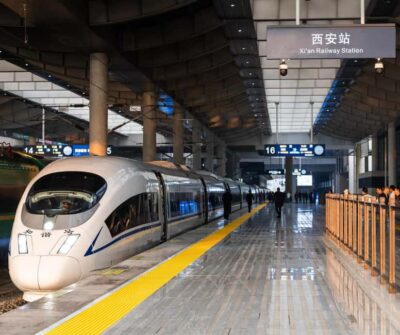
Xi’an Terracotta Tour by Train-All Tickets Included
Read our review →
Bullet Train Tour to Hanging Temple&Yungang Grottoes
Read our review →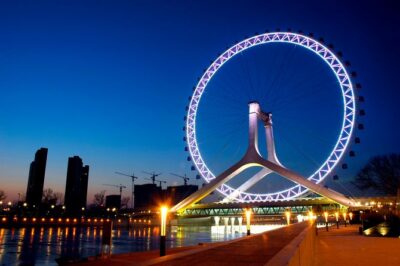
Private Day Trip: Discover Tianjin by Bullet Train from Beijing
Read our review →
Beijing to Xi’an Terracotta Tour by Roundtrip Bullet Train
Read our review →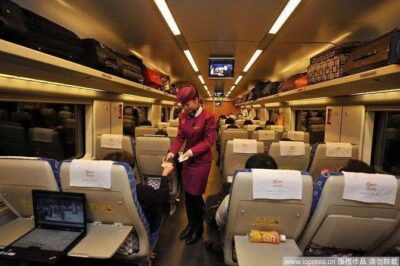
Beijing to Shanghai Bullet Train Ticket with South Railway Station Transfer
Read our review →
Browse the lists this tour appears in