
Reviewed · HUTONG TOURS
Beijing: Hutong Culinary Walking Tour with 15+ Tastings
Beijing’s best food discoveries often happen down a side alley, not on a grand avenue. This private Dongsi hutong food walk takes you from one small local stop to the next, with 15 or more tastings ranging from sesame cakes and soup dumplings to hot pot, lamb skewers, and perhaps a surprise or two.
I like two things right away: your guide can adjust the food to your tastes, and the walk gives you more than a meal. Guides such as Jimmy, Anson, Andy, Lucy, Mike, Miko, May, and Allen explain Beijing life, food customs, and the story behind the old neighborhood. The main drawback is that the stops change from day to day, so you cannot count on every advertised dish. You should also arrive very hungry.
In This Review
- Key points at a glance
- Why this Beijing food tour works so well
- Meeting at Dongsi and entering the hutongs
- Sesame cakes, fried twists, and Beijing sweets
- Dumplings, pancakes, noodles, and hot soup
- Regional flavors at the lamb-skewer stop
- How adventurous should you be?
- What the guides add to the meal
- Price, timing, and what you actually receive
- Who should book this hutong food walk?
- Practical tips for enjoying every stop
- Should you book it?
- FAQ
- Where does the Beijing hutong food tour meet?
- How long does the food tour last?
- How many tastings are included?
- What food might I try?
- Can I request different foods?
- Are adventurous foods available?
- Is hotel pickup included?
- Can I cancel the booking?
Key points at a glance
- 15 or more tastings in three to four hours: Expect small portions spread across several local restaurants and snack stops.
- Quiet Dongsi hutong lanes: The walk adds neighborhood character and context to the food.
- Flexible food choices: Tell your guide if you want classic dishes, vegetarian food, or bolder local specialties.
- Private English-speaking guide: The guide can explain etiquette, ingredients, and daily life at your pace.
- Possible adventurous bites: Donkey burger, fried liver, intestine soup, thousand-year egg, and bamboo worm may be available at your own cost.
- Optional hotel transfer: Choose the pickup and drop-off option if you prefer not to navigate Beijing’s subway system.
Why this Beijing food tour works so well
I see this as a useful first or second activity in Beijing, especially if you want help making sense of Chinese menus. Three or four hours is long enough to try a wide spread of food, but short enough to leave room for an evening walk or another plan.
The food is not presented as a formal banquet. You move through the hutongs and stop at different local places, often ordering several items to share. That format lets you sample much more than you could at one restaurant. It also means the food arrives in stages, so you can ask questions and reset your palate between stops.
The private-group setup matters. You are not locked into the pace or preferences of a large party. If you are vegetarian, cautious about organ meats, keen on spice, or eager to try something unusual, tell the guide early. One family specifically appreciated the care taken to find vegetarian dishes for a child, while other groups asked to replace intestines or other challenging foods.
The overall rating is 5 out of 5 from 162 reviews, and the most consistent praise goes to the guides. That praise is not just about friendliness. The strongest guides, including Anson, Jimmy, Lucy, Andy, Mike, Miko, and Allen, explain what you are eating, where it comes from, and how it fits into life in Beijing.
More hutong wanders:
- Beijing Hutong Walking Food and Beer Tour at Hidden Restaurants
★ 5.0 · 1,132 reviews - Temple Heaven, Summer Palace, Lama Temple, Hutong Bus Tour
★ 4.7 · 319 reviews - Temple of Heaven, Summer Palace, Lama Temple, Hutong Tours
★ 5.0 · 311 reviews
Meeting at Dongsi and entering the hutongs
The tour begins at Dongsi Subway Station Exit B, a practical meeting point in central Beijing. Your guide waits with a sign bearing your name. You can reach the exit by subway or taxi. If you use a taxi, the Chinese phrase provided is: 请带我去东四地铁B出口附近, which means please take me near Dongsi Subway Station Exit B.
From there, expect a walk through quieter hutong alleys. These narrow lanes are part of old Beijing’s traditional residential fabric, and the guide uses them as more than a route between restaurants. You learn about the neighborhood, local eating habits, and the way old food traditions connect with present-day city life.
This is one of the tour’s best features. Food tastes more meaningful when you know why a snack is eaten, how it is served, or what sort of shop traditionally sells it. Several guides also add stories about language, customs, and the history of Beijing. Lucy, for example, included a sunset walk, while other guides spent time explaining how street vendors developed into local shop owners.
Wear comfortable shoes. The tour includes steady walking and standing, and the exact route changes with the day’s food stops.
Sesame cakes, fried twists, and Beijing sweets
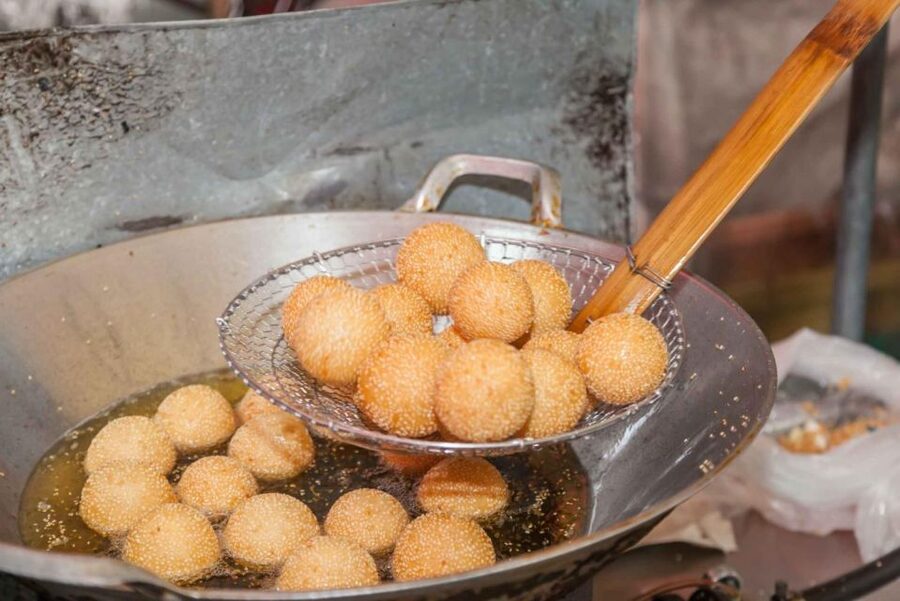
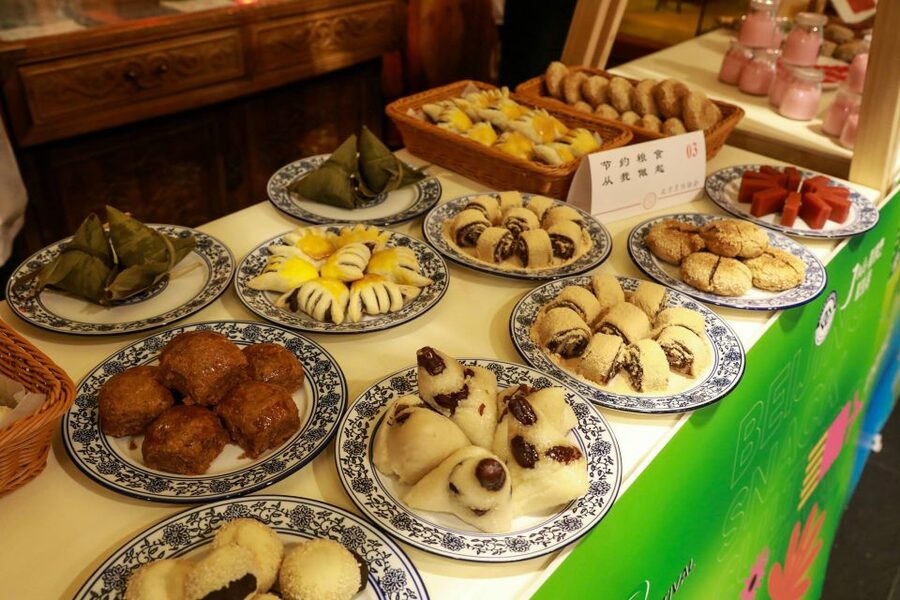
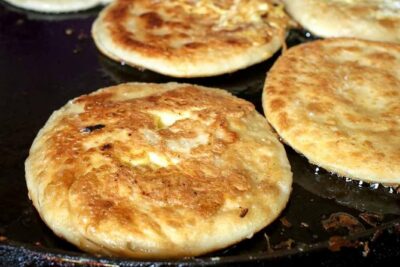
Early tastings may include sesame cakes and ma hua, the familiar fried dough twist. Sesame cakes can be sweet, often with honey, while fried dough twists bring a crisp, oily contrast. They are useful opening bites because they introduce textures and flavors without demanding too much from a cautious eater.
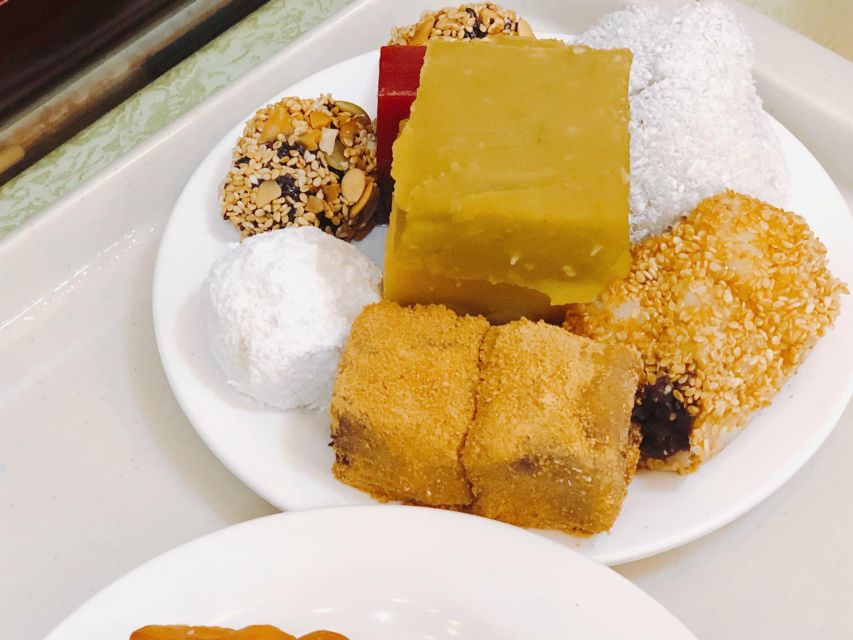
You might also try steamed rice cakes with sweet fillings, along with other Beijing pastries and small snacks. These sweets help balance the salty dishes that come later. They are also a good reason not to fill up at the first stop, even if the first pastry seems like the best thing you have eaten all day.
A Beijing jar yogurt may appear as well. It is a simple local-style yogurt served in a small jar, and the format itself is part of the experience. The guide can explain how to eat it and what makes it different from the yogurt you may know at home.
The advertised selection is a menu of possibilities, not a fixed promise. Stop locations vary daily, and your guide chooses the route based on what is open and what suits the group. If you have already tried dumplings or pancakes elsewhere, say so. The tour can then focus on foods still new to you.
Dumplings, pancakes, noodles, and hot soup
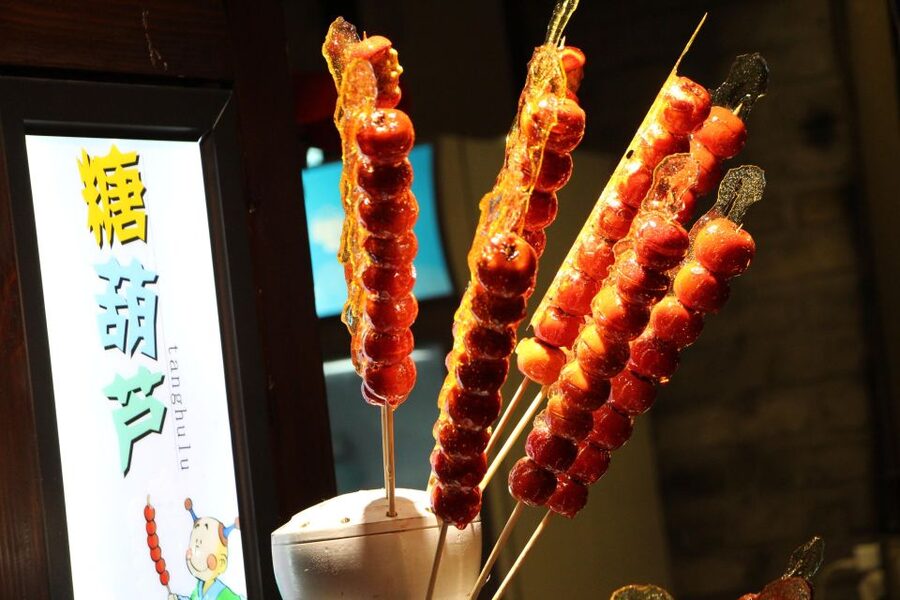
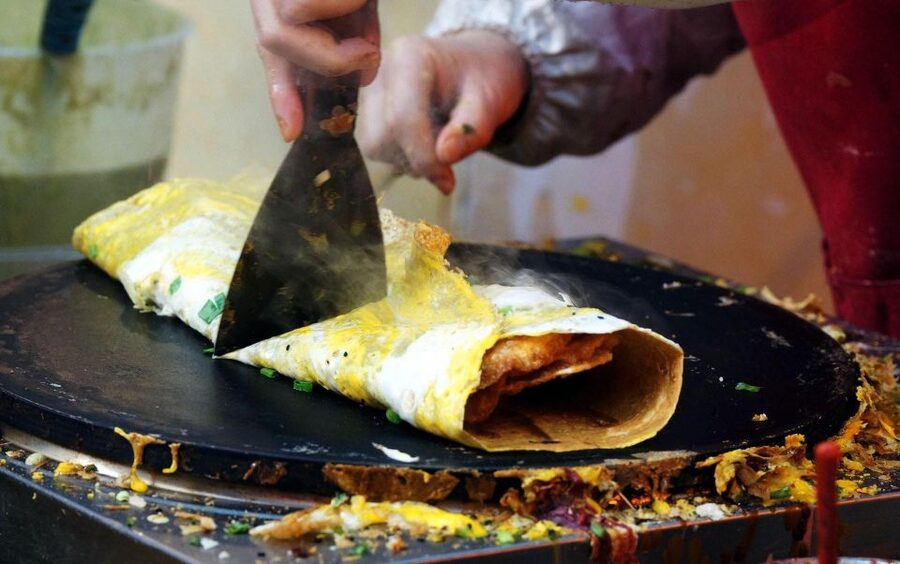
The savory portion usually brings more variety. Soup dumplings, fried pancakes, noodles, and hot pot-style dishes may all appear. One especially popular format is jianbing, a fried pancake made to order. It is crisp, filling, and a good example of the quick food sold to local residents.
You might also receive a crispy fried ring, a common household snack, or cross-bridge rice noodles from Yunnan Province. The noodles are a reminder that this is not only a Beijing food tour in the narrow sense. Beijing’s food culture draws from many parts of China, and the guide can explain those regional connections as you eat.
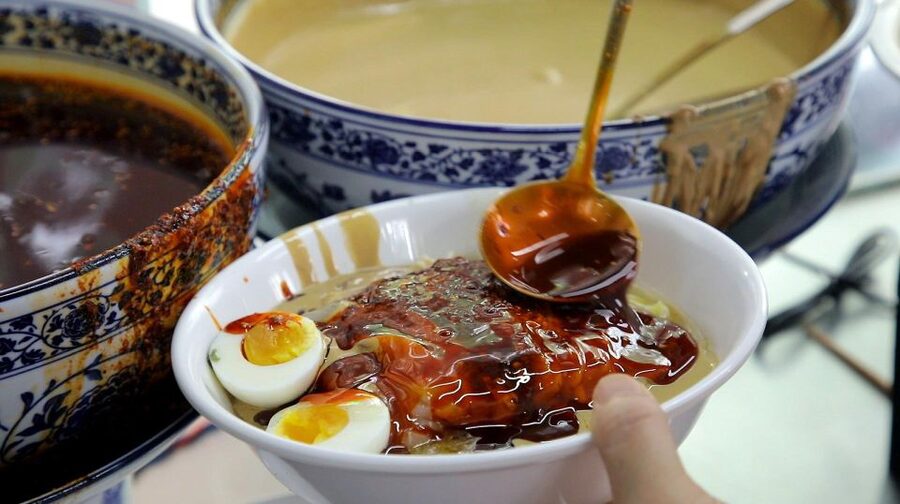
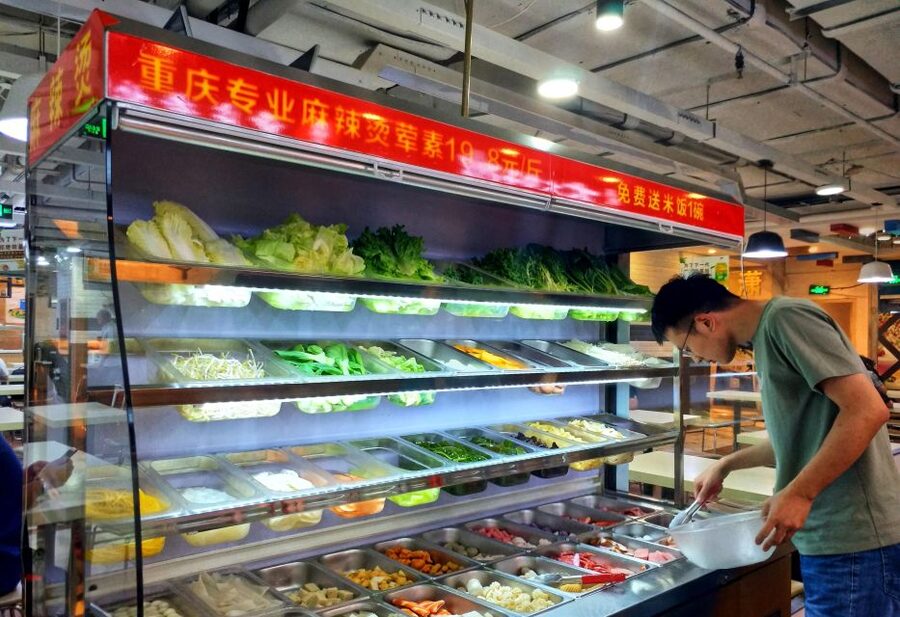
The malatang stop is often a highlight for adventurous eaters. Malatang uses a spicy hot soup base with a mix of vegetables, meats, seafood, noodles, tofu, and other ingredients. You choose, or your guide helps choose, a selection of items before they are cooked in the broth.
This is where the private format pays off. A hesitant eater can choose milder or more familiar ingredients, while an experienced eater can try vegetables, tofu, noodles, and other items they have never encountered. One guide prepared a broad mix of vegetables, tofu, and egg, explaining each item as it went into the soup.
Spice and heat can vary, and the tour is built around tasting rather than finishing a huge serving. Still, hot soup is filling. By this point, you will want to pace yourself.
More walking tours in Beijing:
- Private Beijing Walking Tour of the Forbidden City with 7 Options
★ 5.0 · 675 reviews - Forbidden City Private Walking Tour with Optional Sights
★ 5.0 · 400 reviews - Beijing Private Hutong Food Walking Tour
★ 5.0 · 299 reviews - Beijing City Walk: Explore Hutongs Life and Old Beijing
★ 5.0 · 146 reviews
Regional flavors at the lamb-skewer stop
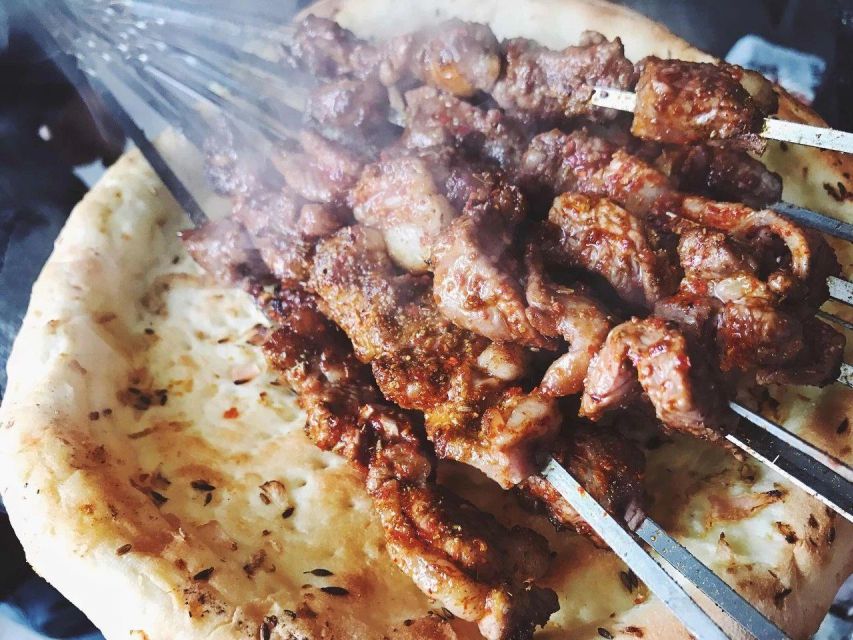
Xinjiang lamb skewers bring another change in flavor. The lamb and vegetable kabobs are often paired with nang, a round bread associated with Xinjiang. Charred meat, cumin, and warm bread give this stop a different character from the sweeter pastries and delicate dumplings earlier in the walk.
The skewers are also a good way to understand how Beijing’s food scene includes regional Chinese cooking. You are not simply ticking off famous Beijing dishes. You are sampling the foods that appear in a large capital where people from many provinces live and work.
Baijiu may be offered along the way. This clear Chinese liquor commonly ranges from 35 to 60 percent alcohol by volume, so treat it with respect. A small taste is enough for many people. Local soft drinks and bottled water are included, which helps keep the meal comfortable.
If you do not drink alcohol, make that clear. The food is the main event, and the tour does not depend on drinking.
How adventurous should you be?
The standard food list already offers plenty of variety, but the guide can suggest bolder choices if you ask. Possibilities include a donkey burger, fried liver, intestine soup, a thousand-year egg, and bamboo worm. The more unusual items are at your own cost.
You do not need to accept every challenge. The good approach is to tell your guide what interests you and what does not. A group can include one person eager to try organ meats and another who would rather have dumplings or a pastry. Substitutions may be possible, and the guide can help you make a choice without turning the meal into a dare.
For some people, fried liver and intestine soup become the unexpected favorites. For others, the best moment is a familiar pancake, a bowl of hot pot, or a plate of dumplings. I like that the tour leaves room for both kinds of eater.
The thousand-year egg is not literally a thousand years old. It is a preserved egg with a distinctive appearance and flavor. You do not need to try it, but it is one of the foods that can prompt a useful discussion about preservation and Chinese eating traditions.
What the guides add to the meal
The food would still be worth trying on its own, but the guide is what turns this into a cultural walk. You learn eating etiquette, how to approach unfamiliar dishes, and the background of the ingredients. You also have someone who can order, explain, and adjust the meal when a menu feels difficult to read.
The guide roster includes Jimmy, Anson, Andy, Lucy, Mike, Miko, May, Allen, Jay, and others. The repeated praise for these guides focuses on clear English, patience, good humor, and strong knowledge of Beijing food and culture. Anson is often noted for answering questions and tailoring the route. Jimmy receives praise for working well with families and explaining everyday life in China. Lucy is remembered for combining food explanations with history, language, and neighborhood walks.
That personal contact is valuable in Beijing. You may pass small restaurants all day without knowing what to order or how a dish is meant to be shared. With a local guide beside you, a quick meal becomes a chance to ask about family habits, regional cooking, and city life.
Some guides have also helped with practical travel details. One checked that a participant made a later connection safely, and another waited after a guest arrived late. Those touches are not guaranteed, but they show why a private guide can be useful at the start of a China trip.
Price, timing, and what you actually receive
The tour costs $76 per person. That is not a cheap snack crawl, but the value depends on how you use it. You receive at least 15 tastings, bottled water, local soft drinks, a three to four hour private tour, hutong walking, ordering help, and cultural explanation.
If you tried 15 items independently, you might spend less on food, but you would need to find the places, understand the menus, decide what to order, and manage the portions. The tour fee pays for access, planning, translation, and a local person who can adapt the route.
Hotel pickup and drop-off with private transfer are optional. The meeting point is easy to reach by subway, so independent visitors can save money by meeting at Dongsi. If you are arriving after a long flight, traveling with children, or simply want a simpler start, the transfer option may be worth considering.
The tour lasts three to four hours, with starting times dependent on availability. Plan it early in your Beijing stay if you can. You will learn what foods you like and gain ideas for later meals. Do not schedule a major dinner immediately afterward. The portion count is serious, and the smart move is to eat lightly for several hours before meeting your guide.
Cancellation is free up to 24 hours in advance, with a full refund. You can also reserve now and pay later, which helps if your Beijing plans are still shifting.
Who should book this hutong food walk?
I would recommend it to first-time visitors who want a friendly introduction to Chinese food without spending an evening guessing at menus. It also suits repeat visitors who have already seen the main sights and want a closer look at neighborhood eating.
Families can do well here, especially when children have different preferences. Vegetarians should state their needs before and during the tour, since the food list includes meat, seafood, and organ dishes. The private setting makes adjustments easier, though you should not assume every stop will offer a vegetarian alternative.
Adventurous eaters will enjoy the optional dishes. Cautious eaters can still have a full tour by focusing on pancakes, dumplings, pastries, noodles, hot pot ingredients, yogurt, and lamb skewers.
This is less suitable if you want one long, seated meal, a fixed menu, or a tour devoted only to classic Beijing specialties. The route changes, several stops may be casual, and the point is to sample broadly.
Practical tips for enjoying every stop
- Arrive hungry, but not dehydrated. Fifteen tastings add up quickly.
- Tell the guide about vegetarian needs, allergies, spice tolerance, and foods you have already tried.
- Ask for substitutions if organ meats or preserved eggs are not for you.
- Wear shoes suitable for several hours of walking and standing.
- Bring a little patience. Some stops may be small and informal rather than polished restaurants.
- If you want baijiu, drink slowly. It can be much stronger than expected.
- Meet at Dongsi Exit B, not just Dongsi Station. Your guide will be waiting with your name.
- Consider booking near the beginning of your stay so you can use the food advice later.
Should you book it?
Book this tour if you want a lot of food in a short time, a private English-speaking guide, and a look at Beijing beyond the major monuments. The strongest reason to go is the combination of flexible tasting and local explanation. You can try foods you would probably walk past alone, while still avoiding dishes that do not suit you.
At $76, it makes the most sense for visitors who value guidance, translation, and cultural context as much as the food itself. If you prefer to explore cheaply and independently, you can certainly eat around Beijing for less. But if you want to get your bearings fast, learn what you are eating, and leave very full, this is a strong choice.
FAQ
Where does the Beijing hutong food tour meet?
The meeting point is Dongsi Subway Station Exit B. Your English-speaking guide will hold a sign with your name.
How long does the food tour last?
The experience lasts about three to four hours, including the hutong walk and food stops.
How many tastings are included?
At least 15 food tastings are included. The exact dishes and stop locations vary daily.
What food might I try?
Possible tastings include sesame cakes, fried dough twists, soup dumplings, Beijing jar yogurt, cross-bridge rice noodles, jianbing, crispy fried rings, steamed rice cakes, malatang, lamb skewers, nang bread, and local sweets.
Can I request different foods?
Yes. Tell your guide about your preferences, foods you have already tried, dietary needs, or dishes you want to avoid. The guide can adjust the stops where possible.
Are adventurous foods available?
Adventure options may include donkey burger, fried liver, intestine soup, thousand-year egg, and bamboo worm. These choices are available at your own cost.
Is hotel pickup included?
Hotel pickup and drop-off with private transfer are available if you select that option. Otherwise, you meet the guide at Dongsi Subway Station Exit B.
Can I cancel the booking?
You can cancel up to 24 hours in advance for a full refund. You can also reserve now and pay later.
Latest additions around Beijing
- Private Hike from Beijing: Go Beyond The Jiankou and Mutianyu Great Wall★ 5.0 · 3 reviews
- Bullet Train Private Tour: Beijing Tiananmen Square, Forbidden City & Great Wall★ 5.0 · 3 reviews
- Private Great Wall Hiking Tour from Simatai West to Jinshanling★ 4.5 · 3 reviews
- Private Transfer for Beijing Airport PEK or PKX★ 5.0 · 3 reviews
- Liyuan Theater Beijing Opera Show Tickets★ 5.0 · 3 reviews
- Private Jinshanling relax photo tour by sunset★ 5.0 · 3 reviews
- Private All-inclusive Jinshanling Great Wall 1-day tour★ 4.5 · 3 reviews
- Beijing Night Tour with Acrobatics Show & PekingDuck Dinner★ 5.0 · 3 reviews
Hutong Tours, compared.
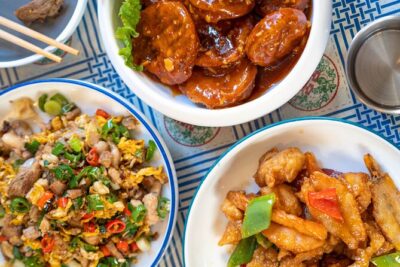
Beijing Hutong Walking Food and Beer Tour at Hidden Restaurants
Read our review →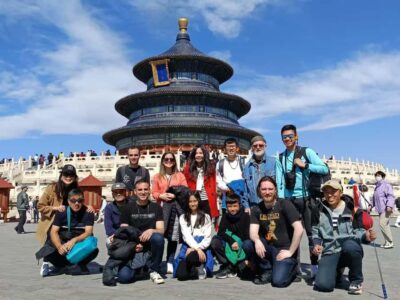
Temple Heaven, Summer Palace, Lama Temple, Hutong Bus Tour
Read our review →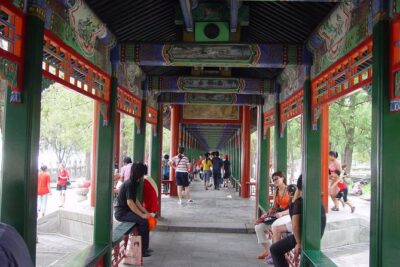
Temple of Heaven, Summer Palace, Lama Temple, Hutong Tours
Read our review →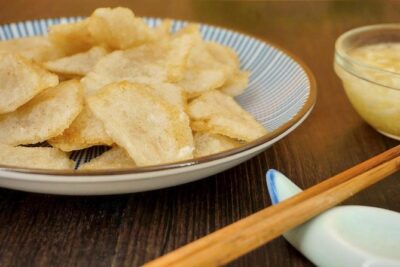

Beijing City Walk: Explore Hutongs Life and Old Beijing
Read our review →Browse the lists this tour appears in