
Reviewed · TRAIN EXPERIENCES
Beijing:Bullet Train Day Tour to Shaolin Temple&Martial Arts
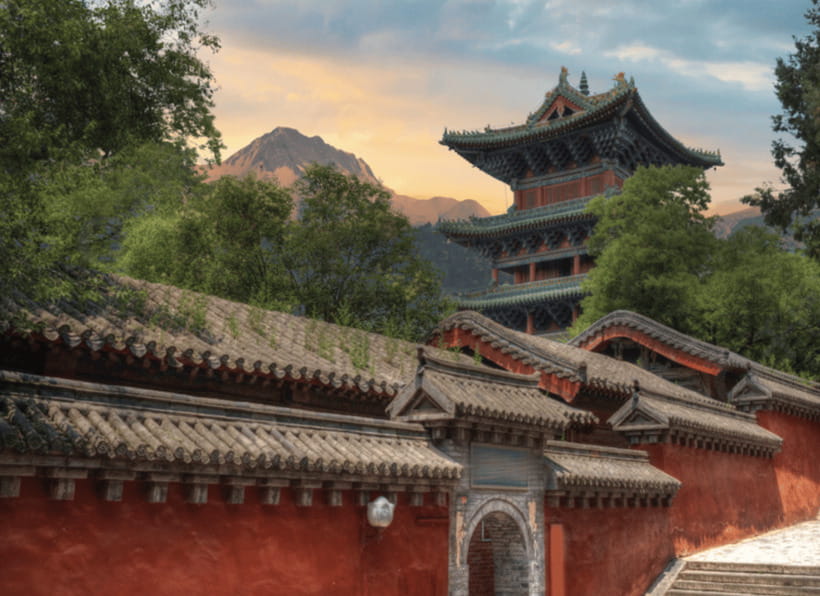
Shaolin Temple is a bold day-trip choice: you leave Beijing before the city has fully shaken off sleep, cross central China by high-speed train, and reach the birthplace of Shaolin kung fu by road. The reward is a look at working temple grounds, old halls, a dramatic monk performance, and the Pagoda Forest, with more than 240 tomb pagodas.
I like the careful station handoffs, since a Beijing driver takes you to the correct waiting area and a Zhengzhou guide meets you by name. I also like the mix of religion, architecture, and martial arts, rather than a temple visit reduced to a few photo stops. The catch is simple: roughly six hours are spent on trains, and the full day can last 12 to 15 hours.
In This Review
- Key points before you book
- Why Shaolin Temple makes such a demanding day worthwhile
- Beijing West Railway Station: a useful first handoff
- Six hours by bullet train, with central China outside the window
- Meeting your Zhengzhou guide and heading into Henan
- The kung fu theater comes first
- Walking through the halls and courtyards
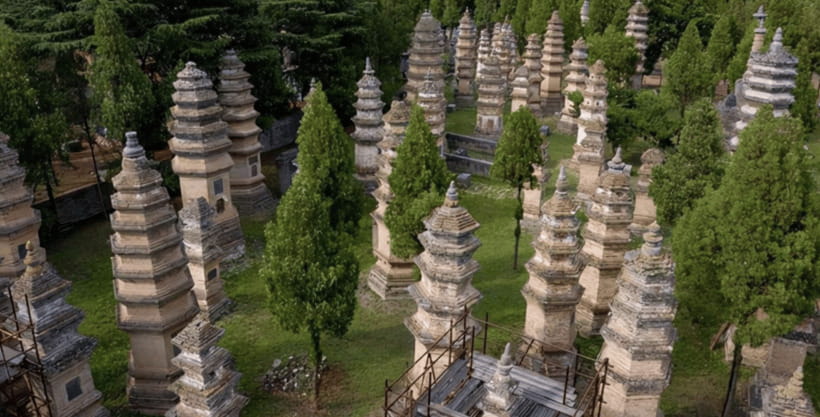
- The Pagoda Forest is the visual high point
- Returning to Beijing after a full day
- Is $348 good value for this route?
- Who should choose this Shaolin day trip?
- Final call: book it for access, not for a slow retreat
- FAQ
- How long does the Beijing to Shaolin Temple day tour take?
- How long is the train journey?
- Does a guide travel with me from Beijing?
- What is included in the price?
- Is food included?
- What identification do I need?
- Is the tour suitable for wheelchair users?
- What is the train-ticket deposit?
Key points before you book
- A 15-hour rail adventure: The round trip between Beijing and Zhengzhou takes about six hours by bullet train.
- A private group experience: Your Beijing hotel pickup, train transfers, and Zhengzhou excursion are arranged for your group.
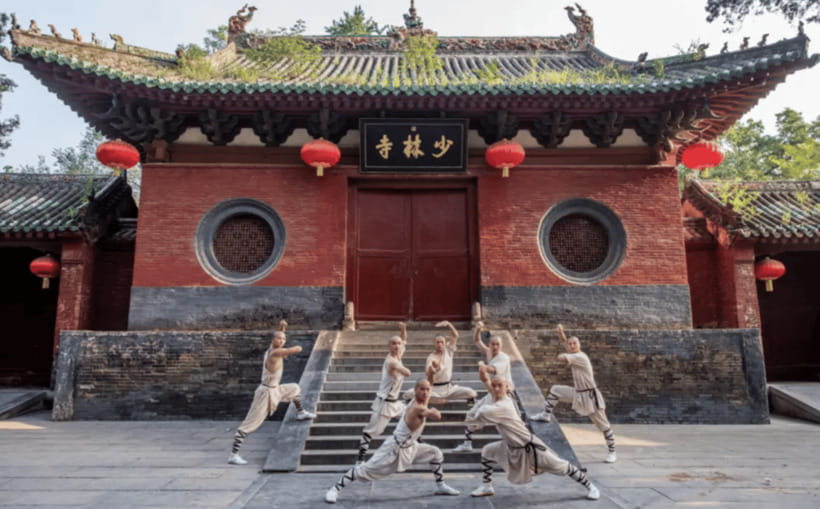
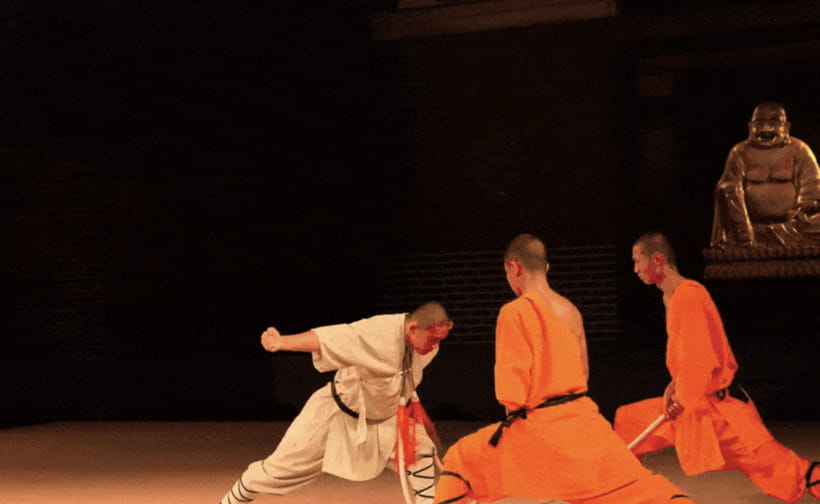
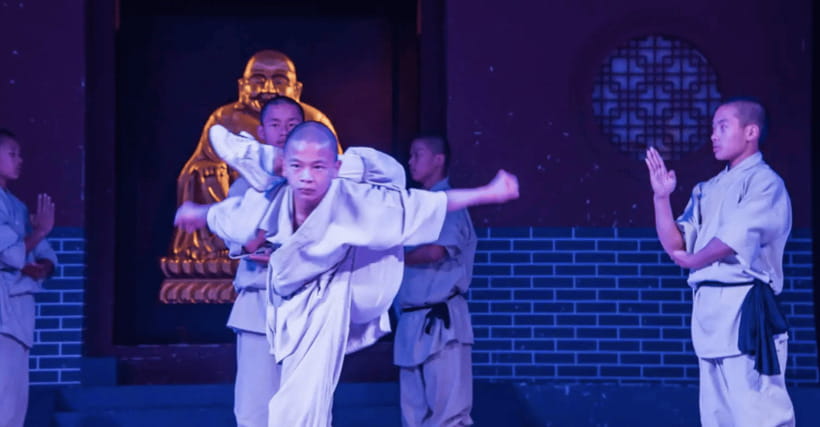
- A monk kung fu performance: The visit begins with a staged Shaolin martial arts show at the theater.
- China’s largest pagoda forest: More than 240 pagodas honor monks and abbots from several dynasties.
- An English-speaking guide in Henan: Your local guide meets you after the train and explains the temple’s stories and traditions.
- A $100 deposit requirement: The deposit per person is refunded during the tour day, but it cannot be recovered if you cancel after train tickets are purchased.
Why Shaolin Temple makes such a demanding day worthwhile
You are not simply visiting an old temple. Shaolin is linked with Chan Buddhism and is widely recognized as the birthplace of Shaolin kung fu. The first temple buildings were constructed in 495 AD, during the Northern Wei Dynasty, to accommodate the Indian Buddhist master Batuo.
That combination gives the place a special pull. You can look at temple courtyards and Buddhist halls, then watch martial artists perform the physical tradition that made the name Shaolin famous around the world. The experience works best if you want both culture and spectacle.
At the same time, you should keep your expectations grounded. The temple is a major attraction, not a quiet retreat reserved for private contemplation. One recent visit found the main area crowded and lacking spiritual atmosphere, especially in rainy weather. Bad weather can also make the long day feel much longer, so check the forecast before committing.
A few more Beijing options to compare side by side
- Beijing to Xi’an See Terracotta Warriors with Bullet Train Round Trip Transfer
★ 5.0 · 238 reviews - Beijing to Datong See YunGang Cave, Hanging Temple (Bullet Train)
★ 5.0 · 39 reviews - Beijing: Xi’an Terracotta Tour by Train-All Tickets Included
★ 5.0 · 27 reviews
Beijing West Railway Station: a useful first handoff
Your driver collects you from the lobby of your Beijing downtown hotel, with Qianmen listed as the pickup area, and takes you to Beijing West Railway Station. The helpful part is that the driver does not simply drop you at the entrance. The service includes accompanying you to the correct waiting room and checking that the train arrangements are in order.
That matters in a large Chinese railway station, particularly if you cannot read Chinese signs or are unsure where to wait. Sun is identified as one Beijing driver who has handled this part of the journey, making sure passengers got on and off the train safely and returned to their hotel.
You take the train on your own. Your local English-speaking guide does not ride from Beijing with you, so keep your passport or identification document accessible and pay attention to the arrival details. Train tickets are second class, which is the standard practical choice for a daytime rail journey.
The operator requires a photocopy of each passenger’s passport to buy the tickets. A $100 deposit per person is also required to secure them. That deposit is refunded on the tour day, but the terms are important: after tickets have been purchased, canceling does not guarantee the deposit back.
Six hours by bullet train, with central China outside the window
The ride from Beijing to Zhengzhou takes about 2.5 to 3.5 hours each way, depending on the scheduled train. That is a major part of the outing, not a minor transfer between attractions.
I see the train time as both a strength and a limitation. High-speed rail lets you reach Henan without changing hotels, and you can watch the cities and countryside pass by instead of spending the full journey in a private vehicle. You also avoid the uncertainty of a long road trip from Beijing.
But this is not a relaxed half-day outing. You need to rest beforehand, bring your passport or ID, and plan for a very full schedule. Food is not included, so carry something to eat and drink for the train rides and the time between stops. The provided details do not specify meal arrangements at Shaolin Temple.
Meeting your Zhengzhou guide and heading into Henan
At Zhengzhou, your local guide waits at the exit of the arrival hall with a sign showing your name. From there, you transfer by vehicle toward Shaolin Temple, with about 1.5 hours on the road.
This handoff is one of the most useful parts of the arrangement. You do not need to find the temple transport yourself after arriving in an unfamiliar city. The round-trip transfer between Zhengzhou Railway Station and Shaolin Temple is included, as is the battery bus at the temple complex.
The drive also gives your guide time to explain the temple’s place in Chinese history and point out countryside views. If your guide is Gavin, as on one recent trip, you can expect the road portion to carry some historical explanation rather than being dead time. The exact guide may vary, but the tour is offered in English and Chinese.
Allow plenty of energy for this stretch. After the train, an hour and a half in a vehicle, then walking around a large religious site, can make the afternoon feel intense.
Swap the crowds for a different corner of Beijing:
- From Beijing: Mutianyu Great Wall Tours with Options
★ 4.9 · 9,216 reviews - Beijing: Forbidden City Tour(Group/Private)-Tickets Included
★ 4.8 · 7,974 reviews - Beijing: T-Square & Forbidden City Group or Private Tour
★ 4.8 · 4,446 reviews - Beijing: Mutianyu Great Wall Daily Tour with Ticket & Lunch
★ 5.0 · 3,056 reviews
The kung fu theater comes first
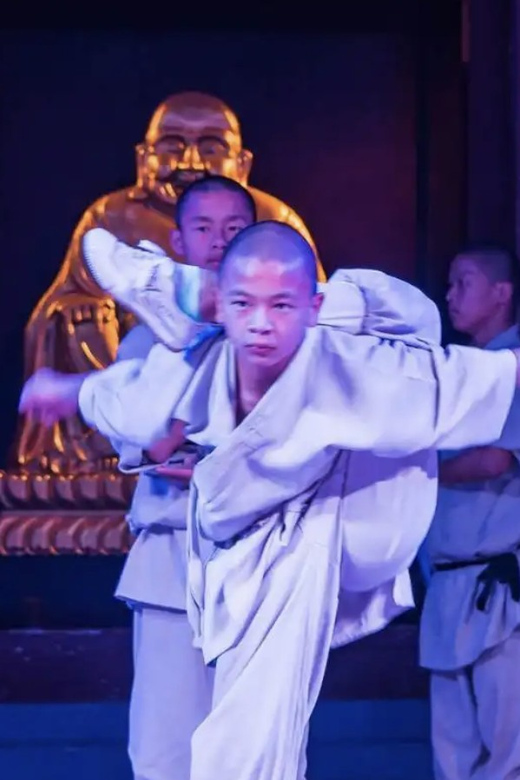
The first activity at Shaolin Temple is the kung fu performance. This is a sensible order. You see the famous martial arts tradition right away, before several hours of walking and sightseeing take their toll.
The show features Shaolin monks performing kung fu at the theater. It is a staged presentation, so think of it as a cultural performance rather than an unplanned glimpse into daily monastic practice. For many people, it will be the most immediately entertaining part of the day, and it gives useful context for why Shaolin is so closely associated with martial arts.
One past visit even included an extra hour-long Shaolin kung fu lesson with a monk after the show. Treat that as an occasional extra, not a guaranteed part of the advertised tour. The included program covers the performance, temple visit, Pagoda Forest, transport, and entrance fees.
The show also raises an important expectation. Shaolin is both a religious site and a major tourist attraction. The performance is polished and public-facing, while the temple halls provide the quieter historical setting. You get both sides, but they should not be confused.
Walking through the halls and courtyards
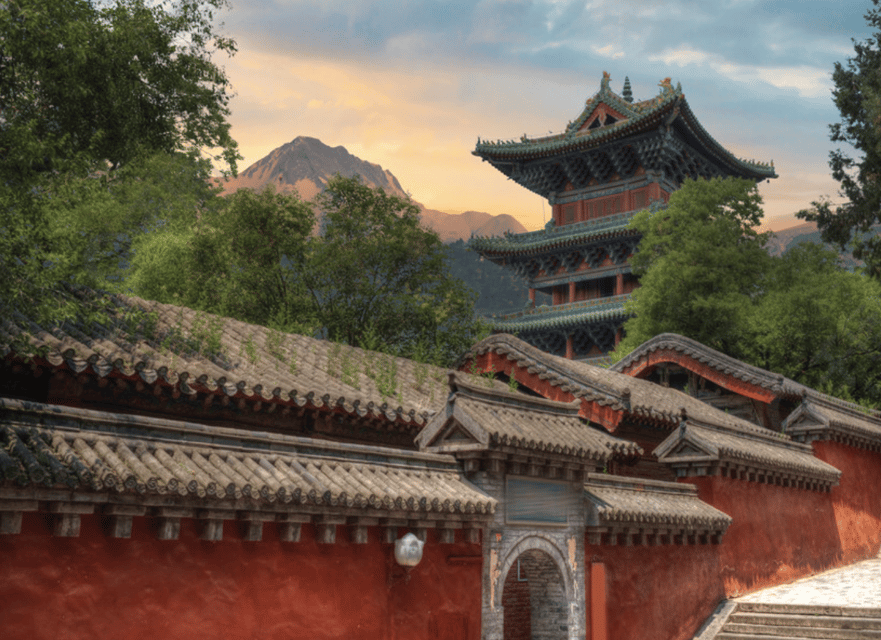
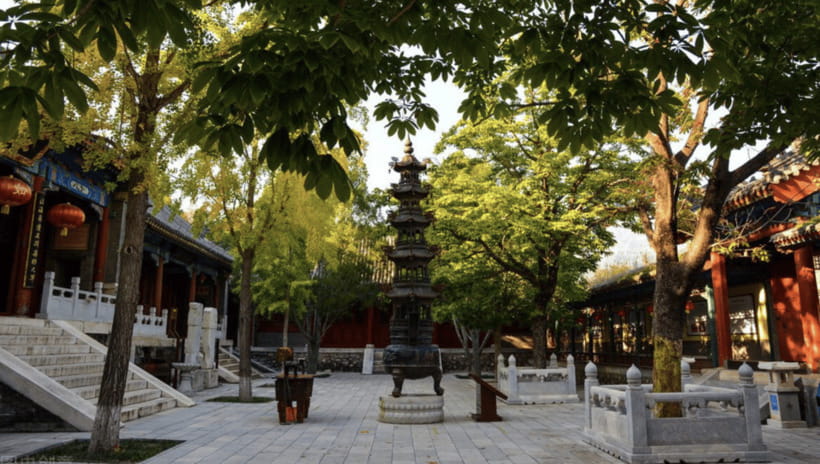
After the performance, your guide leads you through the temple grounds. The route includes the Hall of Heavenly Kings, Mahavira Hall, Bell Tower, Drum Tower, Thousand-Buddha Hall, and Abbot Room, along with other courtyards and buildings.
This is where the guide adds real value. Without explanation, a Buddhist hall can blur into the next one, especially during a fast day trip. With commentary, you can connect the buildings to Shaolin’s religious role, its people, and the stories tied to the temple.
The Abbot Room and the towers give you different kinds of visual interest. The Bell Tower and Drum Tower help you picture the daily rhythm of temple life, while the larger halls show the formal side of Buddhist worship. The Thousand-Buddha Hall provides another stop for understanding the temple’s religious art and traditions.
Photography is part of the appeal, but be ready to move at the pace of a guided visit. You are fitting the temple into a tight schedule before returning to Zhengzhou for the train. Ask your guide when photographs are appropriate inside the halls, and avoid treating every room as a quick backdrop.
Rain can change the mood and footing. One particularly negative experience was tied to a wet day and the feeling that the main temple area resembled a modern transit concourse rather than a spiritual place. That reaction will not be universal, but it is a fair warning: Shaolin’s importance does not guarantee solitude, silence, or ideal weather.
The Pagoda Forest is the visual high point
The Pagoda Forest is the most distinctive part of the visit for many history-minded visitors. It contains more than 240 tomb pagodas for eminent monks and abbots connected with the temple.
These pagodas come from the Tang, Song, Jin, Yuan, Ming, and Qing dynasties, covering the period from 618 to 1911. Their different sizes and forms give you a visible record of changing eras, religious standing, and memorial traditions. This is not just one monument with a single date. It is a long sequence of lives and architectural styles gathered in one place.
The site is also a strong photo stop. The clustered pagodas create a much more unusual scene than the standard temple courtyard, and your guide can help explain what you are seeing. If you want pictures with a sense of place rather than only close-up details, save time and attention for this section.
The battery bus is included, which helps reduce the amount of walking required across the complex. Even so, the tour is not suitable for wheelchair users, and anyone with limited mobility should ask detailed questions before booking. The attraction includes courtyards, halls, and outdoor areas, so the practical demands go beyond the train ride.
Returning to Beijing after a full day
Once the Shaolin visit is over, your guide takes you back to Zhengzhou Railway Station. You then ride the bullet train to Beijing, where your driver meets you at Beijing West Railway Station and transfers you to your downtown hotel.
This final station pickup is more valuable than it sounds. After a long day, you do not need to negotiate a taxi or figure out the best route back to your accommodation. The door-to-door service is one of the main reasons to consider paying for this arrangement instead of organizing the same outing independently.
Still, expect to be tired. The official duration is 15 hours, while the stated touring time is about 12 to 15 hours including transfers. Train schedules, station movement, road traffic, and the 1.5-hour drive each way between Zhengzhou and Shaolin all affect the clock.
Do not place a major evening reservation immediately afterward. Give yourself room for a late return, even though the normal plan includes transport back to your Beijing hotel.
Is $348 good value for this route?
At $348 per person, this is not a cheap temple excursion. The price includes second-class round-trip bullet train tickets, Beijing hotel transfers, Zhengzhou transport, an English-speaking guide, Shaolin Temple admission, and the battery bus.
That package has real value if you place a high price on simplicity. You are paying for a coordinated Beijing to Henan journey that would otherwise require train research, ticket purchases, station navigation, a Zhengzhou pickup, temple transport, and a return plan. The private group format also gives you a more direct experience than joining a large shared bus.
The value is weaker if you already speak Chinese, are comfortable with Chinese railway stations, and can arrange transport in Henan yourself. You are also paying for a day with a great deal of transit time. A longer Henan stay would offer a calmer visit, but this tour saves you a hotel change and fits Shaolin into a Beijing itinerary.
Food is not included, so add that cost and bring snacks for the train. Infants aged 0 to 3 are free but do not receive a separate seat. The experience is not suitable for wheelchair users.
Free cancellation is available up to 24 hours in advance for a full refund, subject to the separate train-ticket deposit terms. The reserve-now, pay-later option keeps the main booking flexible, but the deposit rule deserves careful attention.
Who should choose this Shaolin day trip?
I would recommend it most strongly to you if Shaolin Temple is a priority and your Beijing schedule does not allow an overnight stay in Henan. The guided history, direct transfers, and monk performance make the distance manageable.
It also suits first-time visitors who want help with the railway system. Having a driver lead you to the correct waiting room in Beijing, a named guide meet you in Zhengzhou, and another driver return you to your hotel removes several points of stress.
You should think twice if you dislike early starts, long rail rides, or tightly planned days. The tour gives you a real look at Shaolin, but it does not give you much unstructured time. It may also disappoint if you expect a silent mountain monastery with few other people. The temple is an active tourist site, and the kung fu show is part of that public experience.
Final call: book it for access, not for a slow retreat
Book this tour if you want to see Shaolin from Beijing in one ambitious day and value having the trains, drivers, tickets, and guide arranged together. The Pagoda Forest, temple halls, and monk performance form a worthwhile cultural combination, and the transport support makes the route far less intimidating.
Skip it if you can spare extra nights in central China or want a quiet, unhurried religious visit. At $348, the tour makes the most sense as a carefully managed long-distance excursion, not as a restful day out.
FAQ
How long does the Beijing to Shaolin Temple day tour take?
The tour lasts about 15 hours, with the total day generally described as 12 to 15 hours including door-to-door transfers.
How long is the train journey?
The bullet train takes about 2.5 to 3.5 hours from Beijing to Zhengzhou and about 2.5 hours on the return journey, depending on the scheduled service.
Does a guide travel with me from Beijing?
No. You take the train from Beijing on your own. Your local English-speaking guide meets you at Zhengzhou Railway Station by the exit of the arrival hall.
What is included in the price?
The price includes an English-speaking guide in Zhengzhou, Beijing hotel transfers to and from Beijing West Railway Station, round-trip transfers between Zhengzhou Railway Station and Shaolin Temple, second-class round-trip bullet train tickets, Shaolin Temple admission, and the temple battery bus.
Is food included?
No. Food is not included in the tour price.
What identification do I need?
Bring your passport or ID card. A photocopy of each passenger’s passport is required for train-ticket purchases.
Is the tour suitable for wheelchair users?
No. The experience is listed as unsuitable for wheelchair users.
What is the train-ticket deposit?
A $100 deposit per person is required to secure the train tickets and is refunded during the tour day. Once the train tickets have been purchased, the deposit cannot be refunded if you cancel.
Latest additions around Beijing
- Private Hike from Beijing: Go Beyond The Jiankou and Mutianyu Great Wall★ 5.0 · 3 reviews
- Bullet Train Private Tour: Beijing Tiananmen Square, Forbidden City & Great Wall★ 5.0 · 3 reviews
- Private Great Wall Hiking Tour from Simatai West to Jinshanling★ 4.5 · 3 reviews
- Private Transfer for Beijing Airport PEK or PKX★ 5.0 · 3 reviews
- Liyuan Theater Beijing Opera Show Tickets★ 5.0 · 3 reviews
- Private Jinshanling relax photo tour by sunset★ 5.0 · 3 reviews
- Private All-inclusive Jinshanling Great Wall 1-day tour★ 4.5 · 3 reviews
- Beijing: Private Tour to Great Wall & POPLand Labubu Home★ 4.6 · 3 reviews
Train Experiences, compared.

Beijing to Xi’an See Terracotta Warriors with Bullet Train Round Trip Transfer
Read our review →
Beijing to Datong See YunGang Cave, Hanging Temple (Bullet Train)
Read our review →
Xi’an Terracotta Tour by Train-All Tickets Included
Read our review →
Private Day Trip to Tianjin from Beijing by Bullet Train
Read our review →
Bullet Train Tour to Hanging Temple&Yungang Grottoes
Read our review →
Private Day Trip: Discover Tianjin by Bullet Train from Beijing
Read our review →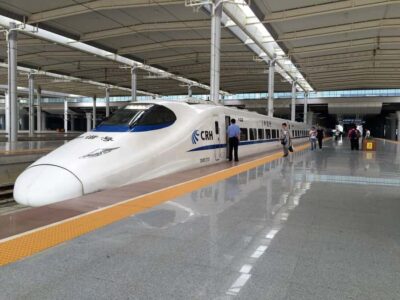
Beijing to Xi’an Terracotta Tour by Roundtrip Bullet Train
Read our review →
Beijing to Shanghai Bullet Train Ticket with South Railway Station Transfer
Read our review →Browse the lists this tour appears in