
Reviewed · LAMA TEMPLE TOURS
Lama Temple Tour with Tickets: Beijing’s Hidden Mystical World
Beijing’s Lama Temple Tour turns a temple visit into a hands-on look at Feng Shui, prayer, and everyday superstition. You’ll visit Yonghegong Lama Temple, walk through nearby hutongs, and learn why incense, wishes, fortunes, and lucky objects still matter in Chinese life.
I like the small maximum of six people, which should make questions and explanations easier. I also like the mix of sacred sites and ordinary neighborhood streets, plus the chance to see Beijing from the Drum Tower or visit Ditan Park. The main drawback is the price: at $180 per person, this is costly for a 3.5-hour outing, especially since private transportation is not included.
In This Review
- Key Points
- Why This Tour Begins at Lama Temple
- Following the Worship Process at Yonghegong
- Feng Shui Beyond Buildings and Directions
- Walking Through Beijing’s Hutongs
- Drum Tower Views or Ditan Park
- What the Three and a Half Hours Feel Like
- Is $180 a Fair Price?
- Who Will Like This Experience Most
- Practical Details Before You Book
- Should You Book the Lama Temple Tour?
- FAQ
- How long does the Lama Temple Tour last?
- Where does the tour begin and end?
- Is transportation included?
- What is included in the price?
- How many people can join the tour?
- What happens if bad weather cancels the tour?
Key Points
- Yonghegong Lama Temple: Follow a complete Buddhist worship process, including incense and prayers for blessings.
- Feng Shui in daily life: Learn how location, clothing, accessories, food, and customs connect with ideas of good fortune.
- Small-group format: The group is limited to six people, allowing a more personal pace.
- Hutong walk: Move beyond the temple grounds into old Beijing lanes and local neighborhood life.
- Drum Tower or Ditan Park: Depending on the route, you may view the central axis from above or visit the Temple of Earth.
- Guide Wan: If Wan leads your tour, expect clear explanations of Buddhism and Chinese traditions, along with a friendly walking experience.
Why This Tour Begins at Lama Temple
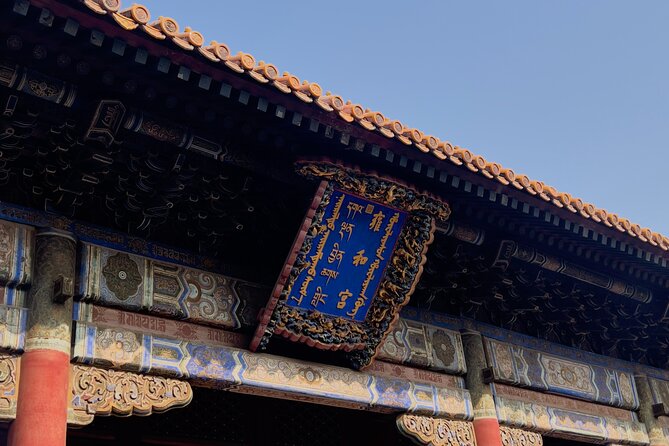
Your meeting point is the Lama Temple ticket office at 28 Yong He Gong Da Jie, near the Guozijian area of Dongcheng District. The location is close to public transportation, so you can reach it without paying for a private transfer. The tour ends back at the same meeting point.
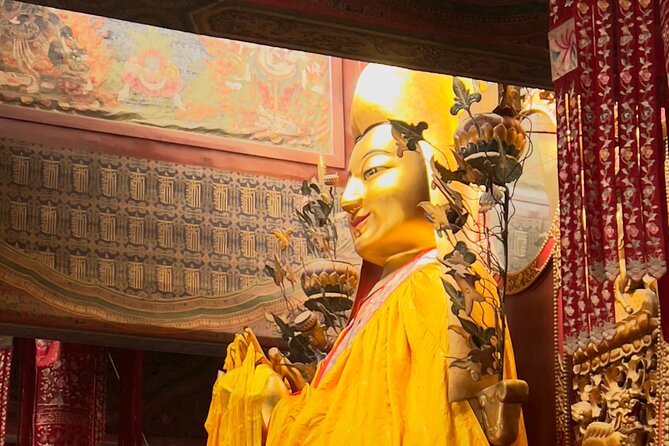
The focus is Yonghegong Lama Temple, one of Beijing’s best-known Buddhist sites. This is not presented as a quick photo stop. The tour aims to show you how people use the temple, including the order of worship, the meaning of burning incense, and the way visitors ask for blessings.
That approach gives the visit more purpose. Without guidance, a temple can look like a string of halls, statues, and courtyards. With an explanation of what people are doing, you can better understand the difference between simply observing a building and taking part in a traditional ritual.
You should expect a cultural experience rather than a formal religious ceremony arranged just for the group. The tour introduces practices such as praying for good fortune, drawing lots for wishes, fortune-telling, and consecrating accessories. These customs are presented as part of traditional Chinese belief and daily culture.
More Lama Temple visits:
- Temple Heaven, Lama Temple, Summer Palace & Peking Duck Bus Tour
★ 5.0 · 377 reviews - Temple Heaven, Summer Palace, Lama Temple, Hutong Bus Tour
★ 4.7 · 319 reviews - Temple of Heaven, Summer Palace, Lama Temple, Hutong Tours
★ 5.0 · 311 reviews
Following the Worship Process at Yonghegong
The temple portion is the heart of the experience. You’ll be shown how visitors worship the Buddha and pray for blessings, with the guide explaining the traditions as you move through the site.
Burning incense is one of the most recognizable parts of a Chinese temple visit, but it can be easy to miss its meaning if you are on your own. Here, the act is tied to the wider idea of seeking balance and good fortune. The tour connects the ritual to Feng Shui, a tradition concerned with how surroundings, placement, behavior, and personal objects may affect energy.
You may also encounter wish-drawing, fortune-telling, or accessories that are consecrated for personal use. These details give the tour a more intimate angle. You are not just hearing about an old belief system in a museum setting. You are seeing how spiritual customs can shape choices and habits.
Keep an open mind. Feng Shui is not presented as a scientific system in the tour information. It is a traditional cultural practice that has influenced homes, clothing, objects, food, and routines. If you enjoy learning how people make meaning from familiar actions, this section should be rewarding. If you prefer a strictly architectural or historical tour, the emphasis on luck and spiritual energy may feel less comfortable.
The temple also requires a reasonable amount of walking and standing. The tour recommends a moderate level of physical fitness, so comfortable shoes are sensible.
Feng Shui Beyond Buildings and Directions
The most interesting part of the tour’s theme is that Feng Shui is treated as more than furniture placement or the direction of a doorway. The experience explains how people may think about energy in relation to a home, a family, clothing, accessories, food, and ordinary routines.
That broader view helps you understand why the tour includes both a temple and hutongs. The temple supplies the religious setting, while the lanes show the neighborhood context where daily customs take place.
You might find that the guide connects certain objects or actions with wishes for health, family well-being, or prosperity. The available information does not promise a specific ritual package or guarantee that every listed practice will take place in the same order, so you should treat the details as topics and activities the tour may cover rather than a fixed menu.
This is also where a good guide matters. One named guide associated with the experience is Wan. If Wan leads your outing, expect explanations of Buddhism and Chinese traditions woven into the walk. The strongest praise attached to the experience centers on her ability to explain these subjects while keeping the outing enjoyable.
Walking Through Beijing’s Hutongs
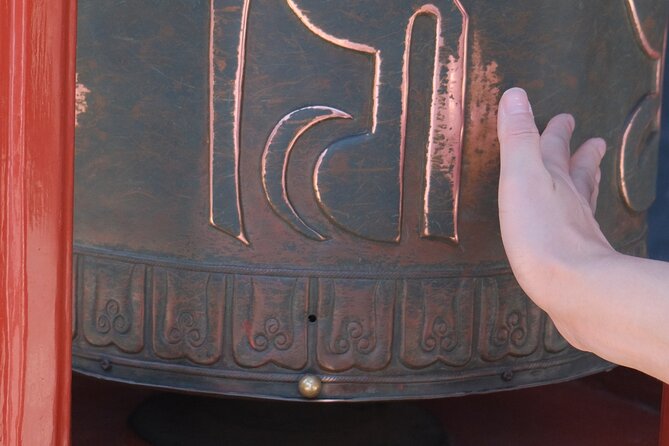
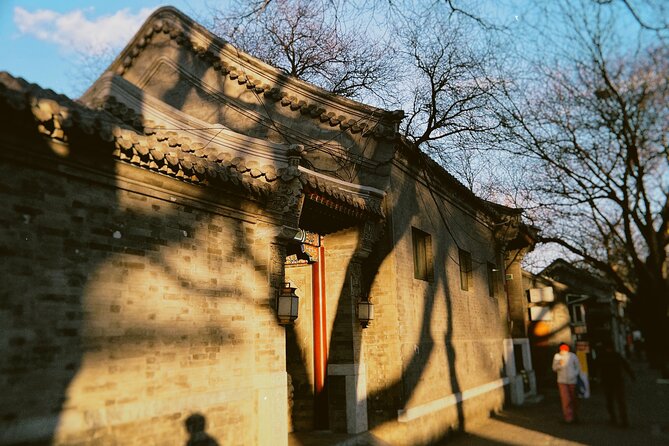
After the temple, the route moves into Beijing’s hutong district. These narrow lanes offer a change of scale from the formal temple grounds. You’ll see a more everyday side of central Beijing, with the tour using the streets to explain the atmosphere and customs of old neighborhood life.
The hutong section is important because it keeps the experience from becoming only a religious-site visit. You get a sense of how Beijing’s traditional urban fabric connects with food, homes, local routines, and the idea of favorable energy.
The tour also mentions authentic Beijing snacks. That makes the walk more sensory and practical, though the inclusion details specify only fees and taxes. Do not assume that snacks are included in the $180 price unless the operator confirms it. Ask before booking if tasting food is a major reason you are considering the tour.
The walk should appeal to you if you prefer a guide who explains cultural ideas as you move through real streets. It may be less suitable if you want a fast itinerary packed with major monuments. The tour is designed around interpretation and atmosphere, not a long checklist of sights.
A few more Beijing options to compare side by side
- Beijing: Forbidden City Tour(Group/Private)-Tickets Included
★ 4.8 · 7,974 reviews - Beijing: Mutianyu Great Wall Daily Tour with Ticket & Lunch
★ 5.0 · 3,056 reviews - 4-Hour Small Group Tour to Forbidden City with Entry Tickets
★ 5.0 · 1,863 reviews - Beijing: Tiananmen Square Registration Service(Ticket)
★ 4.5 · 1,704 reviews
Drum Tower Views or Ditan Park
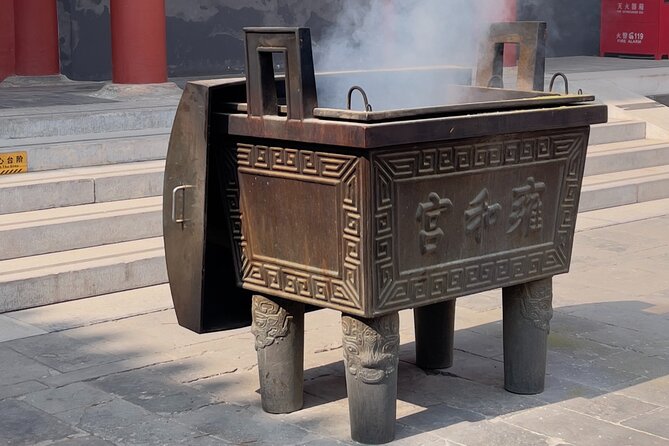
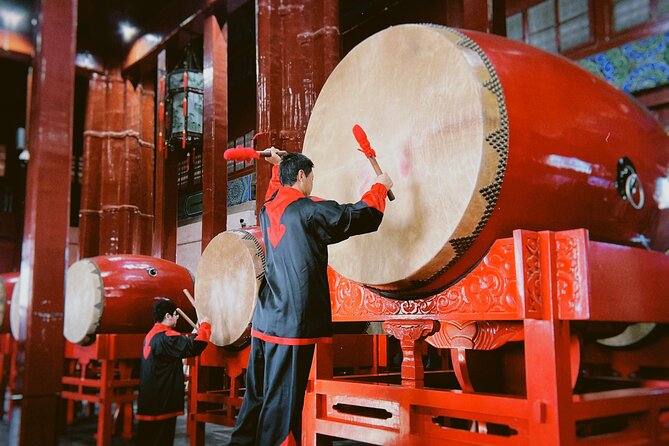
The final part may take you to the Drum Tower, where you can look over the central axis of Beijing, or to Ditan Park, also called the Temple of Earth. These are different experiences, so it is worth checking which option is planned for your date.
The Drum Tower offers the stronger city view. Climbing up adds a physical element, and the elevated position helps you understand the layout of central Beijing. The tour frames the view through the city’s central axis, giving the stop a connection to Beijing’s structure rather than treating it as a simple lookout.
Ditan Park offers a quieter, more symbolic alternative. Known as the Temple of Earth, it fits the tour’s interest in traditional ideas about energy, place, and good fortune. If you prefer gardens and open space to a climb, this option may suit you better.
Since the route is described with an either-or choice, you should not book this tour expecting both locations. The choice may depend on the day’s plan, conditions, or the guide’s arrangement. Confirm the final stop if one option matters to you.
What the Three and a Half Hours Feel Like
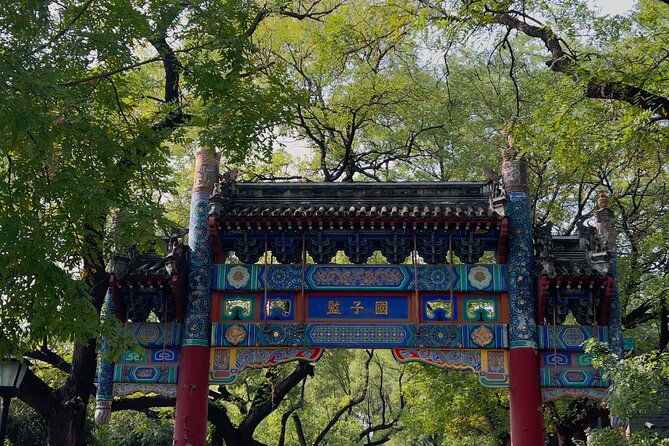
The stated duration is about three hours and thirty minutes. That is enough time for a focused cultural outing, but not enough for an unhurried visit to every temple hall, a long hutong walk, a full meal, and both final-stop choices.
The schedule is likely to feel active. You’ll walk through the temple, take part in or observe traditional practices, continue through hutongs, and possibly climb the Drum Tower. Plan for comfortable footwear and enough energy for standing and walking.
A short tour can be an advantage in Beijing. The city has many large attractions, and a compact experience leaves part of your day free. You could use it as a morning or afternoon introduction before visiting another area. The limitation is that the guide will need to keep the group moving, so do not expect unlimited time for photographs or private contemplation at each stop.
The group maximum of six is one of the tour’s best practical features. A small group should make it easier to hear explanations in crowded surroundings and ask about customs that might otherwise go unexplained. It also keeps the walk more personal than a large coach excursion.
Is $180 a Fair Price?
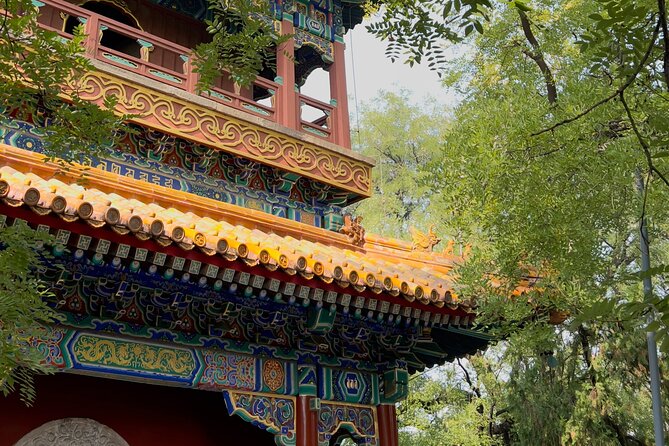
At $180 per person, the tour sits at the expensive end for a 3.5-hour Beijing activity. The price includes all fees and taxes, and the Lama Temple ticket is part of the experience. Group discounts are available, which may improve the value for families or small parties.
The price makes more sense if you want cultural interpretation rather than admission alone. You are paying for a guide-led route combining the temple, Feng Shui practices, hutongs, snacks, and a possible Drum Tower or Ditan Park stop. The small group also adds value, particularly if you want to ask questions about Buddhism and Chinese customs.
Still, private transportation is not included. You must get to the Lama Temple ticket office yourself, and the outing returns there at the end. Since the meeting point is near public transportation, this is manageable, but you should include the cost and time of getting there when comparing options.
Food is another point to clarify. Beijing snacks are part of the described experience, but the listed inclusions mention only fees and taxes. Ask whether tasting costs are covered, and ask which final stop is planned. Those answers will help you judge the price honestly.
Who Will Like This Experience Most
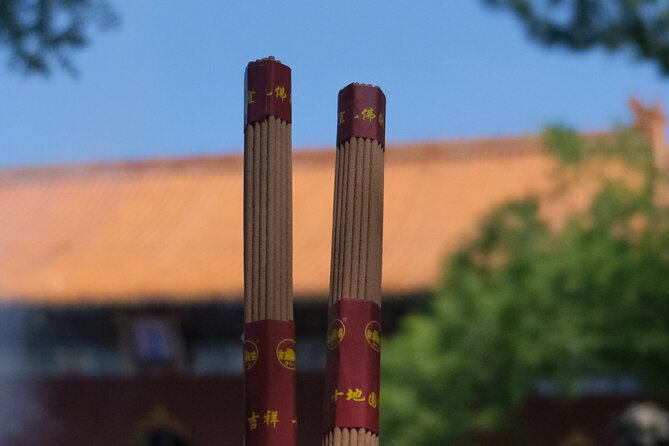
I would recommend this tour to you if you want to understand the meaning behind Chinese customs instead of simply taking photographs. It suits curious visitors interested in Buddhism, Feng Shui, folk practices, hutongs, and the way spiritual ideas enter ordinary life.
It is also a good match for first-time visitors who want a guided introduction to the Lama Temple area. The small group should make the experience easier to follow, and the route combines a major cultural site with local streets.
Families and small groups may benefit from the group discount, though everyone should be comfortable with moderate walking. The tour is also useful for anyone who likes a short, focused activity that leaves time for other plans.
You may want to skip it if your main goal is a long architectural study of Yonghegong, a private car, or a broad tour of Beijing’s major landmarks. The experience is centered on belief, ritual, and neighborhood atmosphere. It is not a general city sightseeing tour.
Practical Details Before You Book
You receive confirmation at booking, and free cancellation is available if you cancel at least 24 hours before the start time. Changes or cancellations made less than 24 hours before the start are not refunded or accepted.
The experience requires good weather. If poor weather causes cancellation, you’ll be offered another date or a full refund. Since the tour includes walking outdoors and may include climbing the Drum Tower, check the forecast before setting aside the day.
The tour has a maximum of six people, but the information does not identify the exact group size for your booking. The guide may be Wan, but a specific guide is not guaranteed. If her approach is important to you, confirm who will lead the tour.
Bring comfortable shoes and allow time to reach the ticket office at 28 Yong He Gong Da Jie. Because transportation is not included, plan your own route to and from the meeting point.
Should You Book the Lama Temple Tour?
Book it if you want a personal introduction to Yonghegong that links Buddhist worship with Feng Shui, fortune customs, hutong life, and local food. The small group, guide-led explanations, and unusual cultural focus give the outing more substance than a simple temple ticket.
Think twice if $180 feels high for a short walking tour, or if you need private transportation and a guaranteed route. Confirm the snack costs, final stop, and guide before paying. For the right audience, especially curious first-time visitors and small groups, this is a thoughtful way to spend half a day in central Beijing.
FAQ
How long does the Lama Temple Tour last?
The experience lasts approximately 3 hours and 30 minutes.
Where does the tour begin and end?
It begins at the Lama Temple ticket office at 28 Yong He Gong Da Jie in Dongcheng District, Beijing. The activity ends back at the meeting point.
Is transportation included?
No. Private transportation is not included. The meeting point is near public transportation.
What is included in the price?
All fees and taxes are included. The information does not specifically confirm that snack costs are included.
How many people can join the tour?
The tour has a maximum of six travelers.
What happens if bad weather cancels the tour?
Because the experience requires good weather, you’ll be offered a different date or a full refund if it is canceled for that reason.
Latest additions around Beijing
- Private Hike from Beijing: Go Beyond The Jiankou and Mutianyu Great Wall★ 5.0 · 3 reviews
- Bullet Train Private Tour: Beijing Tiananmen Square, Forbidden City & Great Wall★ 5.0 · 3 reviews
- Private Great Wall Hiking Tour from Simatai West to Jinshanling★ 4.5 · 3 reviews
- Private Transfer for Beijing Airport PEK or PKX★ 5.0 · 3 reviews
- Liyuan Theater Beijing Opera Show Tickets★ 5.0 · 3 reviews
- Private Jinshanling relax photo tour by sunset★ 5.0 · 3 reviews
- Private All-inclusive Jinshanling Great Wall 1-day tour★ 4.5 · 3 reviews
- Beijing: Private Tour to Great Wall & POPLand Labubu Home★ 4.6 · 3 reviews
Lama Temple Tours, compared.
Temple Heaven, Lama Temple, Summer Palace & Peking Duck Bus Tour
Read our review →
Temple Heaven, Summer Palace, Lama Temple, Hutong Bus Tour
Read our review →
Temple of Heaven, Summer Palace, Lama Temple, Hutong Tours
Read our review →

Beijing Historical Tour II including Summer Palace, Lama Temple & Panda Garden
Read our review →
Beijing Lama temple ticket; #1 efficacious; limited Discount
Read our review →
Panda House, Temple of Heaven, Lama Temple, Summer Palace & Lunch
Read our review →Browse the lists this tour appears in