
Reviewed · HUTONG TOURS
Beijing Hutong Food Crawl Delights: Peking duck, Hotpot&More
Beijing’s best food lesson may come in three bowls and plates: Peking duck, Mongolian hot pot, and Yunnan rice noodles. This three-hour evening tour links them through the old Dongsi hutongs, where narrow lanes and courtyard homes provide a far more local setting than a standard restaurant district. I like the smart mix of famous dishes and less familiar food, and I like having an English-speaking guide explain how to eat each one. The main catch is simple: this is a fast, filling evening, so arrive hungry and expect a lot of food in a short time.
I also like the small group size, usually fewer than 10 people, and the chance to visit restaurants you might not feel confident entering alone. Guides including Andy, Mike, Miko, and Anson have been praised for friendly conversation, strong English, and clear explanations of Beijing life and food customs. If you prefer a slower meal, have major dietary limits, or dislike shared dining, ask questions before booking.
In This Review
- Key things to know before you book
- Why this food crawl works so well
- Starting at Dongsi and entering the hutongs
- Peking duck with a front-row carving show
- Mongolian hot pot around a charcoal-fired copper pot
- Roadside snacks between the restaurants
- Yunnan noodles in a hutong restaurant
- What the guides add to the evening
- Is $80 a fair price?
- Who will enjoy this most?
- Should you book the Beijing Hutong Food Crawl?
- FAQ
- Where does the group tour meet?
- Is hotel pickup included?
- How long does the food crawl last?
- What food is included?
- Are drinks included?
- Is the tour conducted in English?
- How large is the group?
- Can I cancel the booking?
Key things to know before you book
- Three major food stops in three hours: Peking duck, copper-pot hot pot, and Yunnan-style cross-bridge rice noodles form the main meal.
- Dongsi hutong setting: Your walk connects the food with Beijing’s old residential lanes and traditional courtyard houses.
- Live duck carving: At the Peking duck stop, a chef carves the roast duck in front of you.
- Small groups: Group departures have fewer than 10 people, while a private option is also available.
- Free-flow drinks: Beer, sodas, and featured drinks are included to accompany the meal.
- Come very hungry: Several people found the portions more than sufficient, with extra dishes and roadside snacks along the way.
Why this food crawl works so well
Many Beijing food tours make you choose between famous dishes and local atmosphere. This one gives you both. You begin around Dongsi, a central area where daily life carries on in the hutongs, then move from a polished Beijing classic to hearty shared hot pot and a smaller Yunnan restaurant tucked into the lanes.
That progression matters. Peking duck introduces one of the city’s best-known dishes in a formal setting. Hot pot turns the meal into a social activity, with ingredients cooked at the table. Yunnan noodles bring a different regional style, with a hot broth and separate ingredients assembled into the bowl.
I like that the food is not treated as a collection of random samples. Your guide explains the background of the dishes, points out local customs, and helps you understand what belongs together on the table. Guides such as Mike and Andy are especially well suited to people who want conversation as well as dinner. The most consistent praise has been for their friendliness, English, and ability to connect food with everyday life in Beijing.
The evening is not a cooking class, and you should not expect long stops at each restaurant. Three hours gives you enough time to eat a lot and walk through the hutongs, but not enough time for a leisurely banquet at every stop.
More hutong wanders:
- Beijing Hutong Walking Food and Beer Tour at Hidden Restaurants
★ 5.0 · 1,132 reviews - Temple Heaven, Summer Palace, Lama Temple, Hutong Bus Tour
★ 4.7 · 319 reviews - Temple of Heaven, Summer Palace, Lama Temple, Hutong Tours
★ 5.0 · 311 reviews
Starting at Dongsi and entering the hutongs
For the group tour, you meet at Dongsi Subway Station Exit B. Arrive on time, since the route depends on moving between several food stops. Dongsi is a useful starting point because the neighborhood combines easy subway access with old hutong lanes.
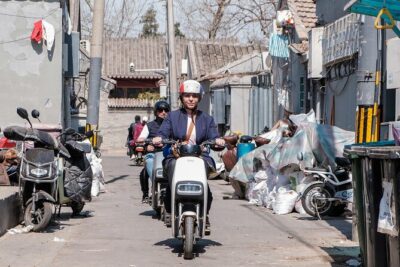
The walk is part of the experience, not just a way to burn off dinner. Hutongs are narrow alleys lined with traditional courtyard houses, and your guide explains how these residential areas fit into Beijing’s cultural past. You also get an introduction to Chinese food culture before the first major dish arrives.
This short walk helps you read the evening better. A restaurant hidden in a lane may look plain from the outside, while the dining room and food inside tell a different story. Several people specifically valued being taken to places they would not have entered alone because the signs and ordering process could be hard for a first-time visitor.
Do not expect a major sightseeing tour of Beijing. The hutong portion is focused and connected to the meal. It gives you a local residential view, not a long tour of monuments.
Peking duck with a front-row carving show
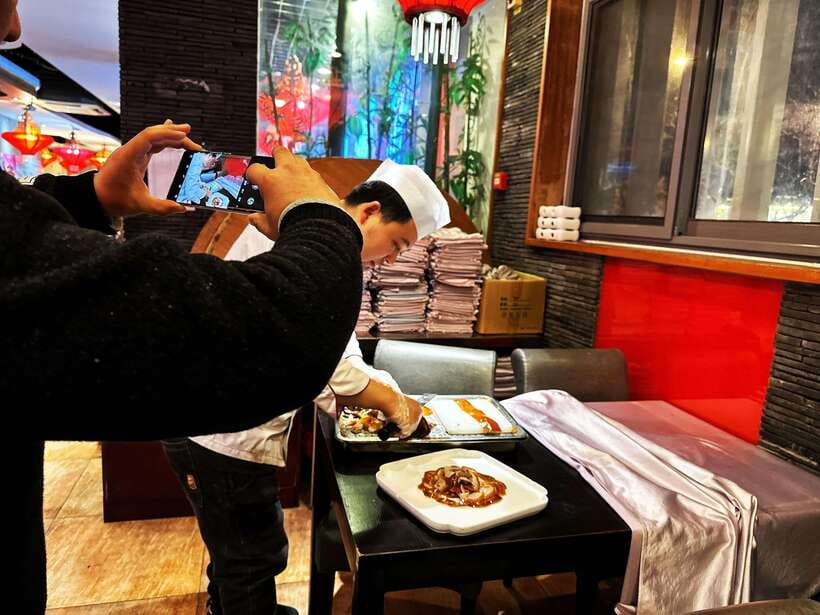
The first full stop is Peking duck, Beijing’s signature roast. The appeal comes from the contrast between crisp skin and tender meat, and the preparation becomes part of the meal when a chef carves the duck in front of you.
Your guide shows you how to enjoy it and explains which other Beijing dishes can go with it when the group has more than three participants. That help is useful because a Peking duck meal can involve several components, and first-time diners may not know the best way to combine them.
The duck is paired with Erguotou, a well-known Beijing spirit, as a classic local combination. You do not need to be an expert on Chinese food to enjoy this stop. The point is to taste a famous dish in the context of the city that made it famous, while someone explains the customs around it.
For many people, this is the most visually memorable part of the evening. The carving is brief, so keep your camera ready, but do not let the photo distract you from the meal. The restaurant experience is more traditional than a quick food stall, and it sets a clear starting point for the rest of the crawl.
Mongolian hot pot around a charcoal-fired copper pot
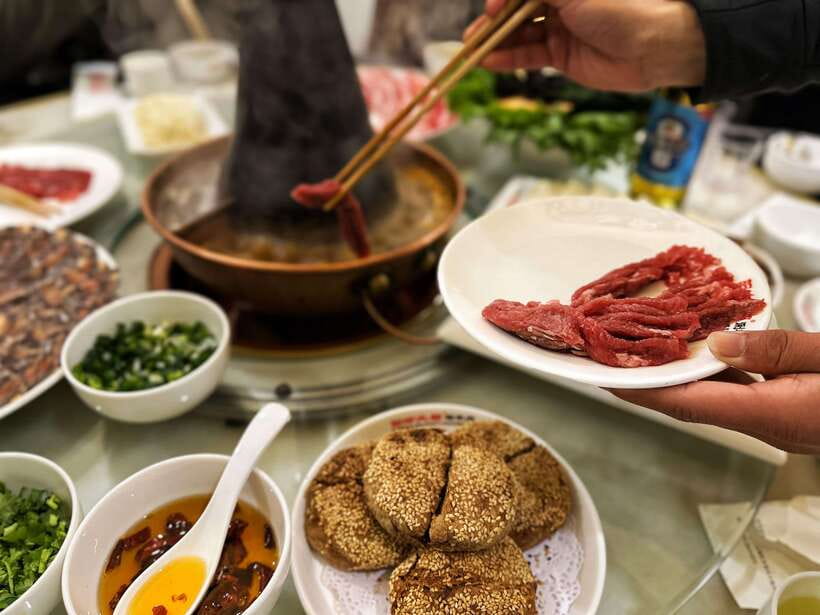
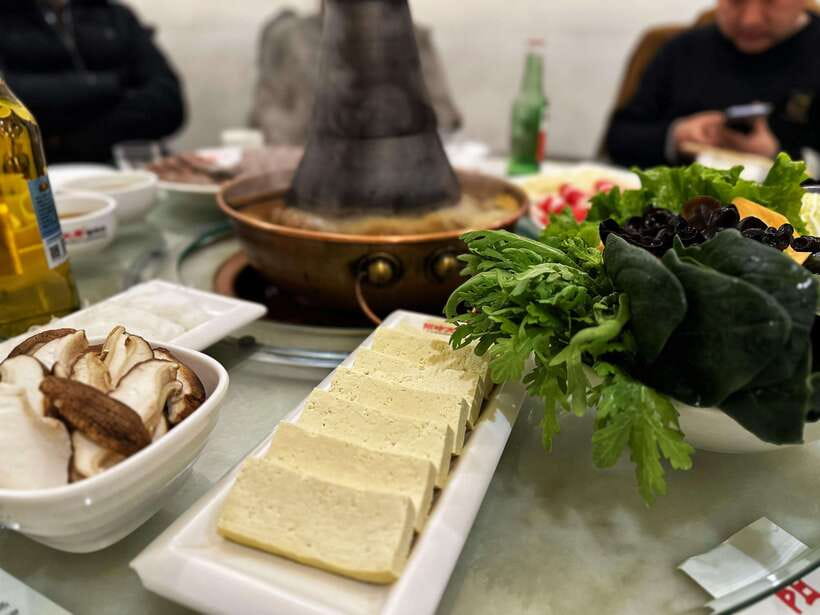
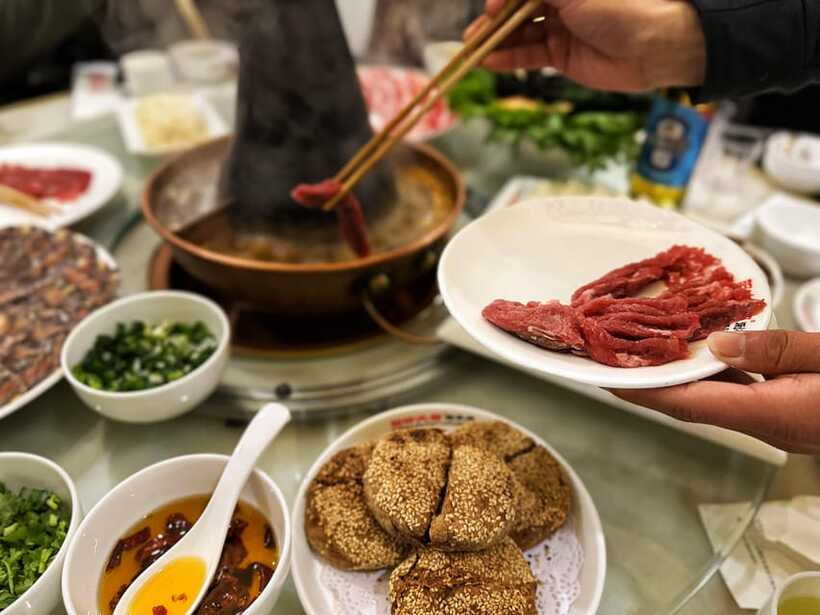
Next comes Mongolian-style hot pot, another Beijing favorite with a strong connection to the city’s past. The traditional setup uses a copper pot with a charcoal-fired center that keeps the broth simmering.
The main ingredient is thinly sliced mutton. Beef and chicken are also offered, along with vegetables and mushrooms. You cook the ingredients in the bubbling broth, then dip them into sauce. A typical sauce combines fermented bean curd and sesame paste, with chili oil available for extra heat.
This stop is more interactive than the duck meal. You are not simply served a finished plate. You choose what to put into the pot, watch it cook, and adjust your dipping sauce to suit your taste. Cold beer is the natural match here, and the tour includes free-flow beer and sodas.
Hot pot can be a little unfamiliar if you have never used one. Follow your guide’s timing and watch what other diners do, especially with thinly sliced meat. The shared format also means the meal may feel less private than a restaurant dinner for just your own party.
I would pay attention to how much you eat here. The broth, meat, vegetables, sauce, and drinks can make this stop surprisingly filling, yet another substantial meal is still ahead.
More Peking duck dinners:
- Temple Heaven, Lama Temple, Summer Palace & Peking Duck Bus Tour
★ 5.0 · 377 reviews - Boutique Tour: Four Must-sees of Beijing and Peking Duck
★ 5.0 · 104 reviews - 2-Day Beijing Highlights Tour with Peking Duck
★ 4.9 · 41 reviews - 3-Day All-Inclusive Beijing Private Tour: Top Sights+Peking Duck
★ 5.0 · 28 reviews
Roadside snacks between the restaurants
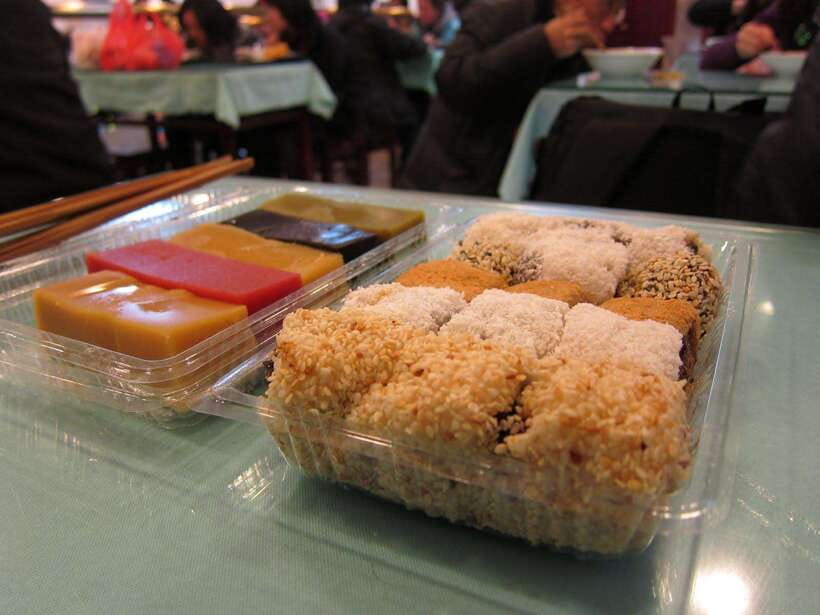
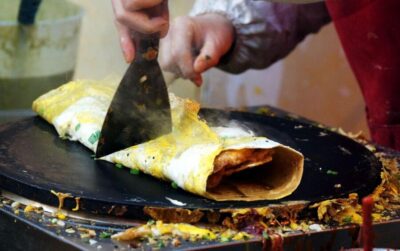
The walking sections include samples of local street snacks. The exact snack selection is not specified, so it can vary, but this part adds a useful contrast to the sit-down meals.
A roadside bite lets you see how Beijing food works outside the main restaurant setting. You get a quick taste, continue through the lanes, and hear more about local eating habits without committing to a full order. It also breaks up the three restaurant stops and gives the tour a more casual rhythm.
Keep some appetite in reserve. The snack is an addition to dinner, not a replacement for one of the main stops. If you are already full after the hot pot, you may need to sample lightly.
Yunnan noodles in a hutong restaurant
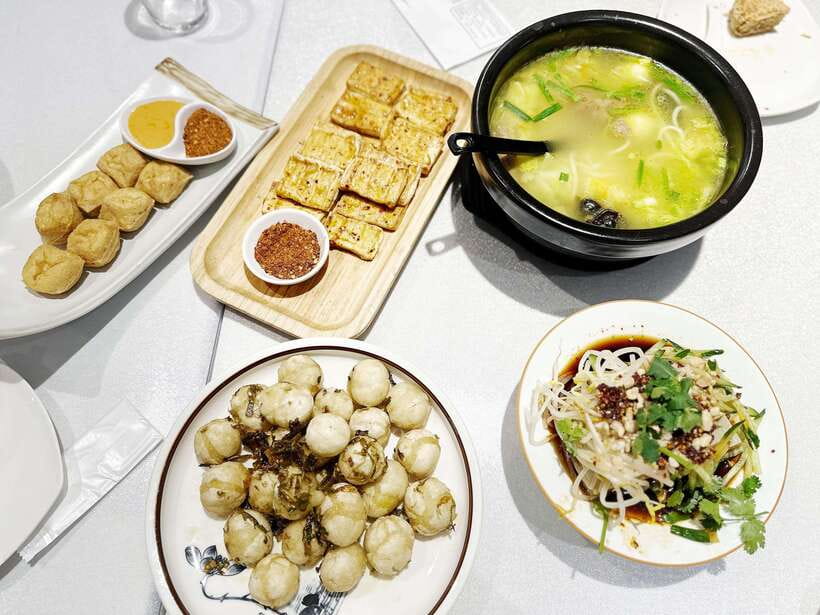
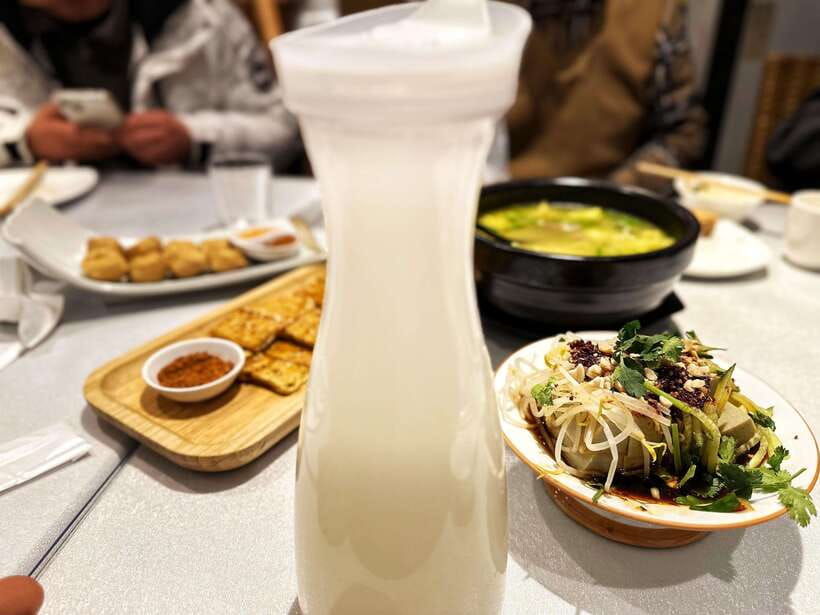
The final restaurant serves Yunnan-style food, with cross-bridge rice noodles as the central dish. The noodles arrive with a flavorful broth and a range of fresh ingredients, offering a different style from the heavier duck and hot pot.
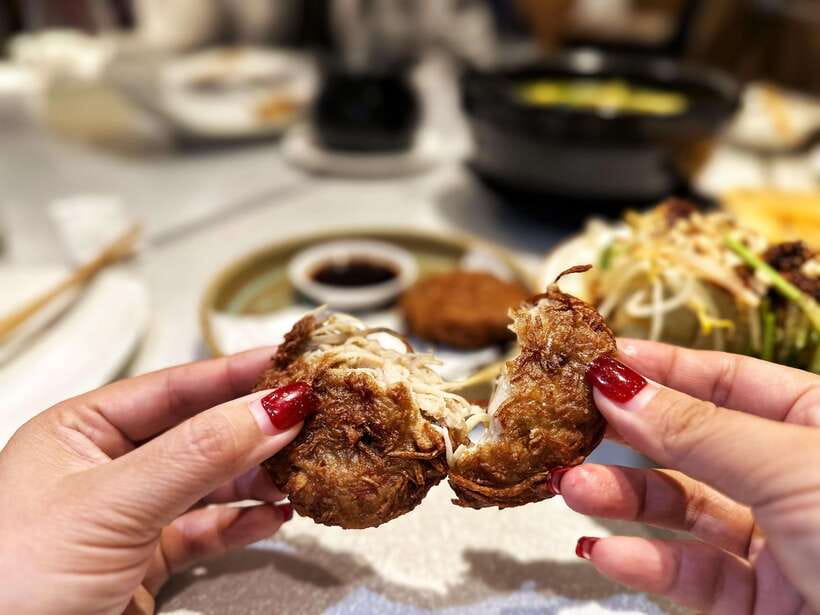
Other dishes may include roasted tofu, fried lotus root cakes, and pickled cabbage stir-fried with sweet dumplings. These sides give you a chance to try textures and flavors that may not appear on a typical Beijing restaurant menu.
This stop is valuable because it broadens the meal beyond Beijing specialties. Yunnan cuisine comes from southwestern China, and its appearance on the route shows how much regional variety exists within Chinese cooking. You finish with sweet, mellow rice wine, which provides a gentle ending after the savory dishes.
The restaurant is described as being tucked into the hutongs, so the setting continues the local feel of the walk. It is not presented as a luxury dining room. Expect a more informal meal, with the guide helping you understand unfamiliar dishes and ingredients.
What the guides add to the evening
The guide can make or break a food crawl, and this experience places real weight on that role. Andy, Mike, Miko, Anson, Allen, and Jack have led different departures, so the exact personality of the night depends on who is assigned.
The strongest qualities to look for are clear English, patience, and a willingness to answer questions. Andy is described as prompt and welcoming, with plenty of stories about hutongs and Chinese culture. Mike is known for engaging conversation and an easygoing manner. Miko has led families and first-time visitors through the food stops, while Anson has been praised for making culinary history easy to follow.
A useful feature is the guide’s role at the table. You are not left to decode every dish alone. The guide explains how to eat Peking duck, describes the hot pot sauce, introduces the Yunnan dishes, and answers broader questions about life in Beijing.
That makes this a good first or second night activity. You will learn what to look for during the rest of your stay, and you may feel more confident ordering food independently afterward.
Is $80 a fair price?
At $80 per person, this is not the cheapest way to eat in Beijing. You could spend far less at casual restaurants or food stalls, especially if you already know where to go and can order in Chinese.
The value comes from combining three restaurant visits, street snacks, a hutong walk, live duck carving, a guide, and drinks in one evening. The included food is intended to equal dinner, not a few token samples. The free-flow beer and sodas also matter if you plan to drink with the meal.
You are paying for access and explanation as much as for the food. A guide can take you to local restaurants that may be difficult to find or approach on your own, then explain what to order and how to eat it. For a first visit to Beijing, that convenience can justify the price.
The private option costs more according to the booking choice, but it adds hotel pickup and drop-off for downtown hotels. A professional driver and guide meet you in the lobby, then return you after the meal. The group option meets at Dongsi Subway Station Exit B and does not include hotel transport.
Who will enjoy this most?
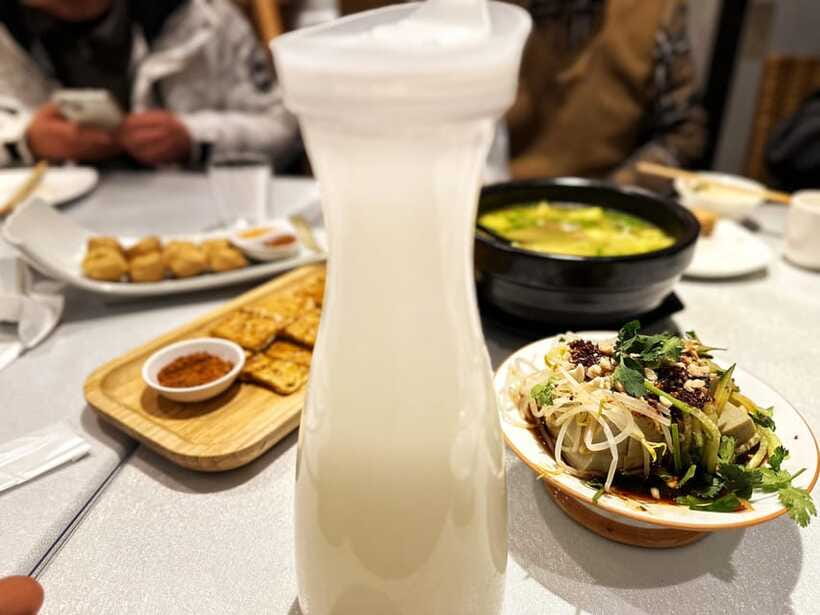
I would recommend this tour to first-time Beijing visitors, curious eaters, and anyone who wants a guided introduction to Chinese regional food. It also suits families, since the guide can explain unfamiliar dishes and help younger diners find something they want to try.
It is a strong choice for couples or small groups who want a social evening without planning several restaurant reservations. The private option may work better if you want your own pace, hotel transport, or a more personal conversation.
You should think twice if you have strict dietary restrictions, dislike mutton, avoid shared tables, or need a slow meal. The route includes several courses and drinks in only three hours. Also check the weather before leaving, since the evening includes walking through the hutongs.
Free cancellation is available up to 24 hours before the start time, and you can reserve now and pay later. The tour is conducted in English, with a small group option and private groups available.
Should you book the Beijing Hutong Food Crawl?
Book it if you want a generous meal, local lanes, and a guide who can explain the story behind what you are eating. The combination of carved duck, hot pot, Yunnan noodles, snacks, and drinks gives you a wide introduction to Beijing food in one compact evening.
I would choose the group option for the best value, especially if you are comfortable meeting at Dongsi and sharing the experience with other diners. Choose private pickup if convenience matters more than price, or if you want the evening shaped around your own party.
The biggest practical tip is to eat lightly beforehand, but do not skip breakfast or lunch entirely. This tour is designed to replace dinner, and the portions can be substantial. If you arrive hungry, enjoy new flavors, and let the guide handle the ordering details, the $80 price is easier to justify.
FAQ
Where does the group tour meet?
The group tour meets at Dongsi Subway Station Exit B. The meeting point can vary depending on the option booked.
Is hotel pickup included?
Hotel pickup and drop-off are included for private tours that select the hotel transport option. The guide meets you in the lobby of your downtown hotel and holds a sign with your name. Group tours and tours using the meeting point do not include hotel transport.
How long does the food crawl last?
The experience lasts three hours, including the hutong walk, three restaurant stops, and roadside snack samples.
What food is included?
The tour includes Peking duck, Mongolian-style hot pot, Yunnan cuisine with cross-bridge rice noodles, and local street snacks. The meal also includes dishes such as roasted tofu, lotus root cakes, and other specialties when available.
Are drinks included?
Yes. Beer, sodas, and featured drinks are included with unlimited refills during the food crawl.
Is the tour conducted in English?
Yes. The live tour guide language is English.
How large is the group?
Group tours have a small capacity of fewer than 10 people. A private group option is also available.
Can I cancel the booking?
You can cancel up to 24 hours in advance for a full refund. The reserve-now, pay-later option lets you hold a place without paying at the time of booking.
More Food Experiences in Beijing
- Beijing: Hidden Gems Guided Food Tour with Beer and Tastings
★ 4.9 · 306 reviews - Beijing Private Hutong Food Walking Tour
★ 5.0 · 299 reviews - Beijing Hutong Breakfast Food Tour
★ 5.0 · 155 reviews - Beijing Hutong Breakfast Food Tour
★ 5.0 · 120 reviews
Latest additions around Beijing
- Private Hike from Beijing: Go Beyond The Jiankou and Mutianyu Great Wall★ 5.0 · 3 reviews
- Bullet Train Private Tour: Beijing Tiananmen Square, Forbidden City & Great Wall★ 5.0 · 3 reviews
- Private Great Wall Hiking Tour from Simatai West to Jinshanling★ 4.5 · 3 reviews
- Private Transfer for Beijing Airport PEK or PKX★ 5.0 · 3 reviews
- Liyuan Theater Beijing Opera Show Tickets★ 5.0 · 3 reviews
- Private Jinshanling relax photo tour by sunset★ 5.0 · 3 reviews
- Private All-inclusive Jinshanling Great Wall 1-day tour★ 4.5 · 3 reviews
- Private Longqing Gorge & Guyaju Cave Day Tour w/ Cruise Ride★ 5.0 · 3 reviews
Hutong Tours, compared.
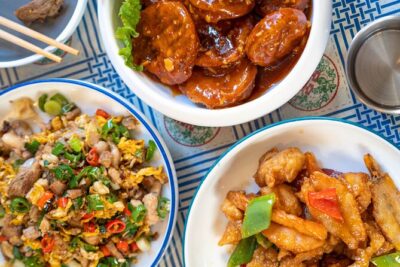
Beijing Hutong Walking Food and Beer Tour at Hidden Restaurants
Read our review →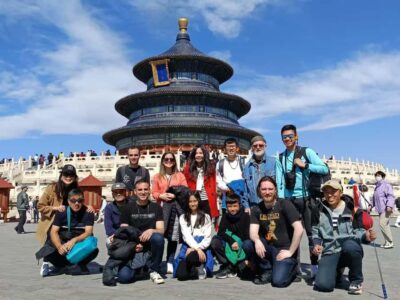
Temple Heaven, Summer Palace, Lama Temple, Hutong Bus Tour
Read our review →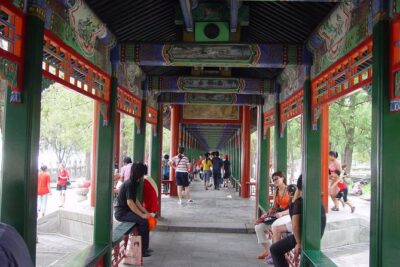
Temple of Heaven, Summer Palace, Lama Temple, Hutong Tours
Read our review →
Beijing City Walk: Explore Hutongs Life and Old Beijing
Read our review →Browse the lists this tour appears in