
Reviewed · HUTONG TOURS
Beijing: Hutongs & Drum Tower City Walking Tour
Beijing’s hutongs are the main event here: narrow lanes where old courtyard homes, snack shops, small temples, and everyday life still share the same few blocks. I like the way this tour links the lanes with Qianhai and Houhai lakes, then finishes at the Drum Tower, giving you water views, neighborhood life, food, and a city panorama in one outing. I also like the optional rickshaw ride and courtyard-home visit, which add a human touch that a standard sightseeing walk often misses.
The possible drawback is that this is not an all-inclusive ticket. Public transportation and entrance fees are extra, and the rickshaw and home visit depend on the option you book. You should also bring Chinese cash for snacks and souvenirs, and expect several hours on foot.
In This Review
- Key points at a glance
- Why Beijing’s hutongs are worth your time
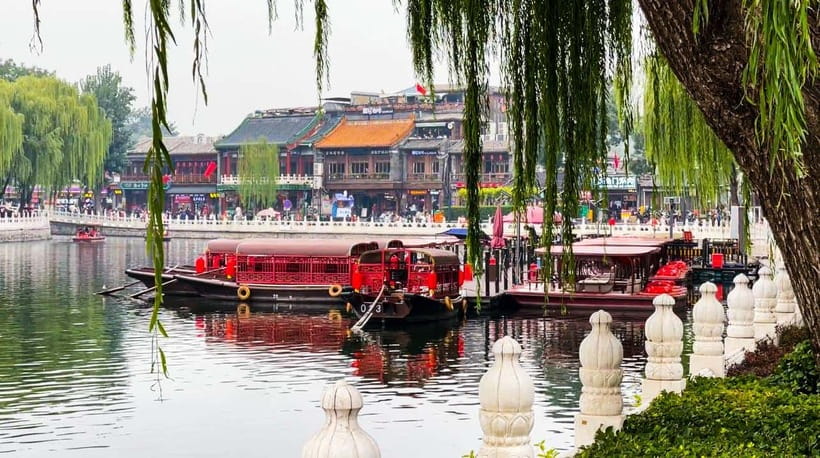
- Starting at Shichahai and the old waterway
- Qianhai and Houhai: Beijing’s old lakeside quarter
- Yandai Byway and a useful snack break
- Inside the hutongs and a traditional courtyard home
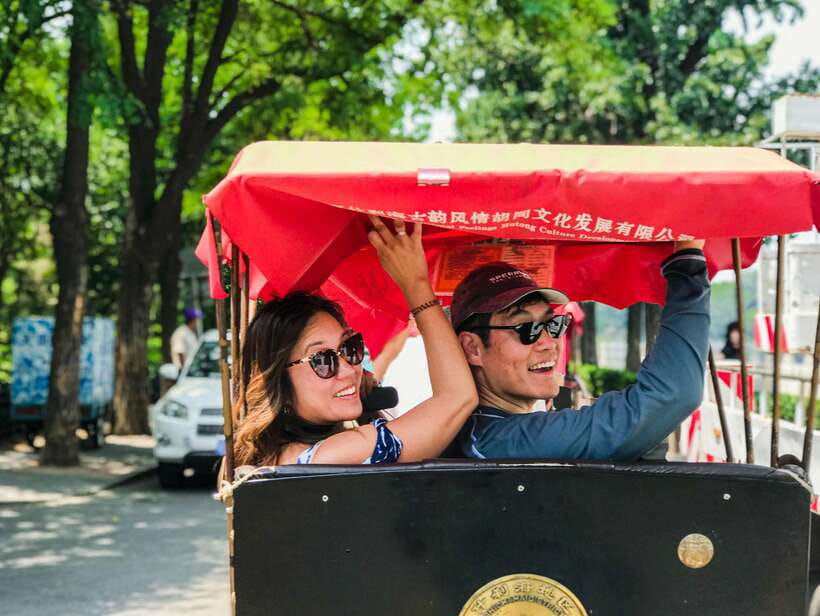
- The optional rickshaw ride through old lanes
- Reaching the Drum and Bell Tower square
- Local food after the tower
- Guide quality and the value of a small group
- Price, timing, and what you actually pay for
- Who should book this Beijing hutong tour
- Should you book the Hutongs and Drum Tower tour?
- FAQ
- How long does the Beijing hutong tour last?
- Where does the tour meet?
- Is the tour conducted in English?
- Are the rickshaw ride and home visit included?
- Are entrance tickets included?
- Is public transportation included?
- Should I bring cash?
- Is the tour wheelchair accessible?
- Can I cancel for a full refund?
Key points at a glance

- Walk beside Qianhai and Houhai lakes: The water gives the old neighborhoods a pleasant setting and helps break up the walking.
- See Yandai Byway in working form: This old commercial street mixes local food, small shops, and souvenirs with the older lanes behind it.
- Climb the 600-year-old Drum Tower: You may catch the traditional drum performance and get a view across central Beijing.
- Add a 30-minute rickshaw ride: Two people share one hooded tricycle, with the ride priced at 200 CNY for two participants.
- Step inside a traditional courtyard home: If selected, the home visit lets you see rooms such as the kitchen, living room, and bedroom.
- Count on guide-led food advice: Guides such as Jenny, Susan, Tony, Amber, and Alice have helped visitors choose snacks and local dishes.
Why Beijing’s hutongs are worth your time
Beijing has plenty of grand sights, but its hutongs show how the city works at street level. These lanes spread through the old city like a network of small arteries. Behind many plain gateways are traditional courtyard houses, where rooms face an open central space.
The lanes on this route date from roughly 300 to 700 years ago. That does not mean every building is untouched or museum-perfect. You will see a living neighborhood, with old architecture alongside shops, food stalls, renovated storefronts, and the ordinary movement of local residents.
That mix is exactly why I like this experience. You are not simply looking at a preserved street from behind a barrier. You are walking through the kind of district where Beijing families have lived, worked, eaten, and socialized for generations.
Your guide supplies the missing context. A lane can look like a simple shortcut until you learn who lived in its courtyard houses, how the old city was organized, or why certain buildings and public spaces mattered. The strongest guides also connect the past with present-day religion, food, and social habits.
More hutong wanders:
- Beijing Hutong Walking Food and Beer Tour at Hidden Restaurants
★ 5.0 · 1,132 reviews - Temple Heaven, Summer Palace, Lama Temple, Hutong Bus Tour
★ 4.7 · 319 reviews - Temple of Heaven, Summer Palace, Lama Temple, Hutong Tours
★ 5.0 · 311 reviews
Starting at Shichahai and the old waterway
The usual meeting point is Exit A2 of Shichahai subway station on Line 8, though the exact meeting place can vary with the option you select. The subway makes this area fairly practical to reach, but public transportation is not included, so you pay for that separately.
The route begins near the water and the Jing-Hang Canal, close to Wanning Bridge. The bridge dates to the Mongolian dynasty, giving you an early reminder that Beijing’s waterways were important long before modern roads and rail lines.
You also visit a Taoist temple beside the canal. This is a useful stop because it adds a religious and cultural layer to the walk. Instead of treating temples as decorative old buildings, your guide can explain the gods, stories, and beliefs connected with Taoism.
One particularly interesting thread is contemporary belief. The visit is framed not only around old rituals, but also around what religion means to young Chinese people today. That makes the temple more relevant than a quick photo stop.
The temple is also a calm opening to the tour. Afterward, the route follows the water toward the old commercial streets, with time to look at the changing scenery and local activity around Qianhai and Houhai lakes.
Qianhai and Houhai: Beijing’s old lakeside quarter
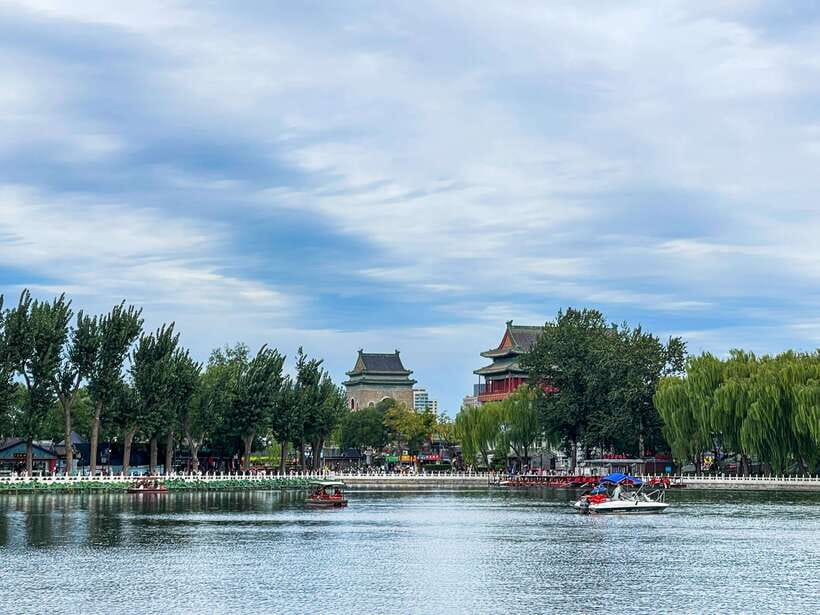
Qianhai and Houhai are two of the most attractive parts of the route. The lakes create open space in a city that can otherwise feel dense, and the walk beside them gives you a different view of Beijing’s old center.
Your guide may pause at several points to explain the area or point out details you could easily miss on your own. The walk is not only about the water. It is about watching how the lakes connect to hutongs, restaurants, old homes, bridges, and recreation areas.
The setting changes with the season. In warmer months, the lakeside can be lively, while colder weather gives the area a quieter feel. The tour runs for three to four hours, so you get enough time to enjoy the route without spending an entire day on one neighborhood.
If you choose the bicycle option available with some bookings, the lakes can be covered in a different way. One visitor described cycling around Qianhai and Houhai with stops for Beijing drinks and snacks before continuing on foot. Since options vary, check the exact package rather than assuming bicycles are part of every booking.
Yandai Byway and a useful snack break
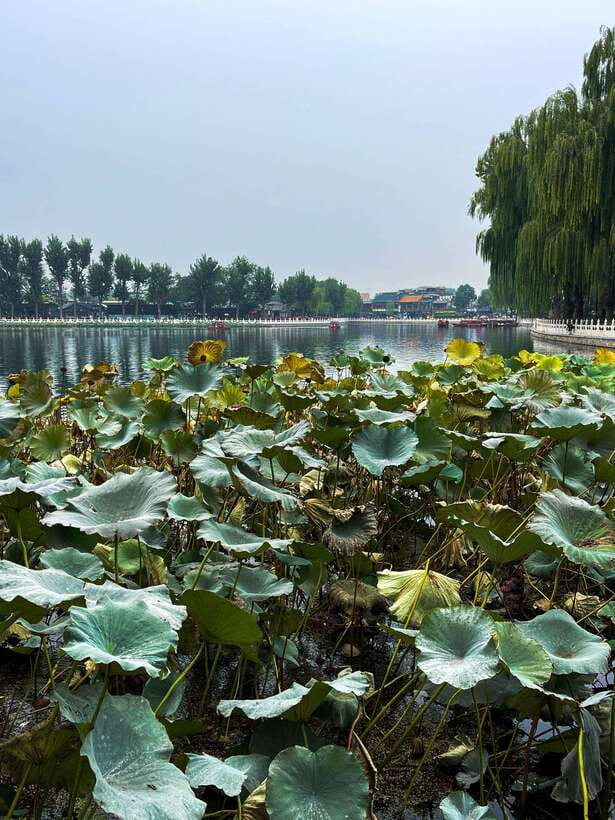
Yandai Byway is an ancient commercial street and one of the route’s more visitor-friendly sections. It is a place to browse local stores, try snacks, and look for souvenirs before the walk turns back toward quieter hutongs.
This stop is practical as well as pleasant. You get free time to make your own choices instead of following the guide every second. Food is one of the best ways to understand Beijing, but unfamiliar menus can make ordering difficult. A good English-speaking guide can explain what you are seeing and help you choose something suitable.
The food examples from this experience range widely. Guides have helped visitors try Beijing drinks, local noodles, baozi, pork liver, durian pie, and other snacks. Your exact choices depend on what is open and what you want to eat, so the tour should not be treated as a fixed tasting menu.
Bring Chinese cash if you want to buy from small stores or food sellers. That is an important detail. A card or phone payment setup that works elsewhere may not be useful at every tiny neighborhood counter, and the activity specifically advises carrying Chinese cash.
Yandai Byway can also be busier and more commercial than the lanes behind it. That is not a flaw, but it helps to know what you are getting. You will find shops aimed at visitors alongside signs of local life. The value comes from seeing both sides of the district, then moving into the quieter residential lanes.
More walking tours in Beijing:
- Private Beijing Walking Tour of the Forbidden City with 7 Options
★ 5.0 · 675 reviews - Forbidden City Private Walking Tour with Optional Sights
★ 5.0 · 400 reviews - Beijing Private Hutong Food Walking Tour
★ 5.0 · 299 reviews - Beijing: Hutong Culinary Walking Tour with 15+ Tastings
★ 5.0 · 162 reviews
Inside the hutongs and a traditional courtyard home
After the commercial street, the walk goes deeper into the hutongs. Here, your guide points out traditional courtyard homes associated with different levels of wealth. The contrast between homes for rich and poor residents gives the architecture more meaning.
The layout of a courtyard house is part of the lesson. If you select the home-visit option, you can enter a local family’s traditional courtyard and see areas such as the kitchen, living room, and bedroom. You may also have time to greet the residents, chat, and ask questions.
This is one of the most valuable parts of the experience for anyone interested in daily life. A palace or temple can show you what rulers and institutions wanted to display. A family courtyard shows you how private life was arranged.
The visit is optional, and that matters. If you prefer a walk focused on architecture, food, and public sights, you may not need it. If you want personal contact and a better sense of how a Beijing home functions, choose the package that includes it.
Be respectful during this portion. You are entering someone’s home, not a public exhibit. Follow your guide’s lead about photographs, questions, and where to walk.
The optional rickshaw ride through old lanes
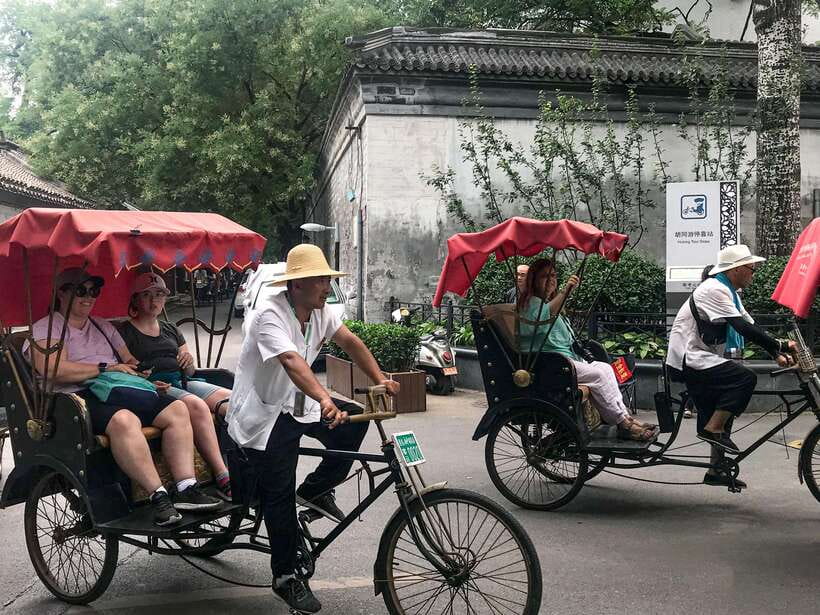
The rickshaw is a hooded tricycle, once used as a taxi by nobles and wealthy businesspeople. Today, the ride offers a slower, more atmospheric way to pass through the narrow lanes.
The standard detail given for this option is one rickshaw for two people, for about 30 minutes. The charge is 200 CNY for two participants, so check how it is handled in your chosen booking and budget for it separately if it is not included.
I see the rickshaw as a pleasant extra, not an essential part of the tour. Walking gives you more freedom to stop, look through a lane, and hear your guide without road noise. The rickshaw gives your legs a break and recreates an older style of movement through the neighborhood.
The ride also has a small piece of modern diplomatic history attached to it. Richard Nixon and his wife reportedly enjoyed traveling through Beijing’s old lanes by rickshaw during their 1972 visit to China. That detail helps explain why the ride remains a memorable way to see the hutongs.
If you are traveling alone, confirm the pricing and seating arrangement before booking. The stated rate is for two participants sharing one rickshaw.
Reaching the Drum and Bell Tower square
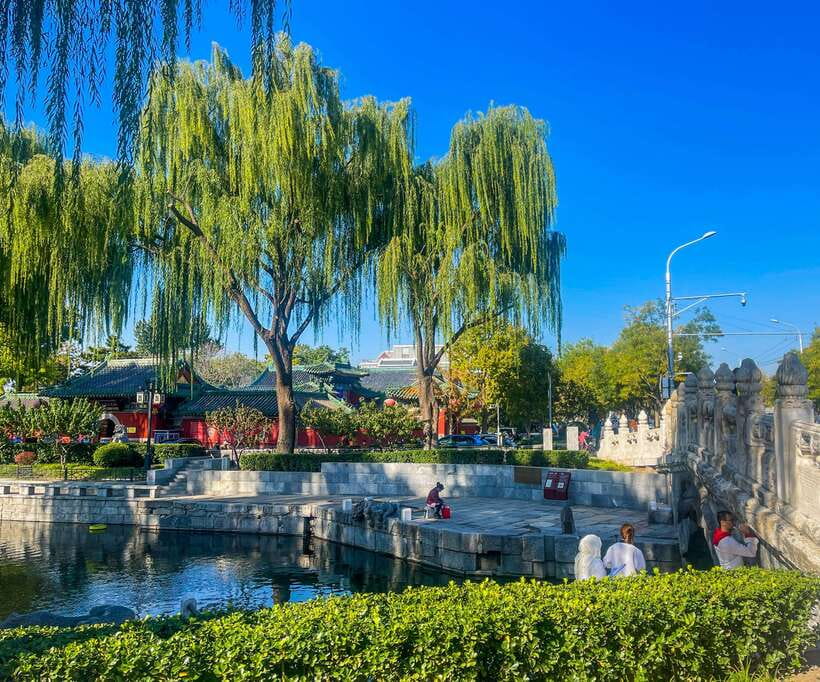
The route eventually reaches the square between the Drum Tower and Bell Tower. This open space gives your guide a chance to explain Beijing’s older timekeeping system and the role these towers played in city life.
The Drum Tower is about 600 years old. Climbing it is included only if your entrance ticket or selected option covers the entry, since entrance fees are not generally included in the activity price. Check this before you go so you are not surprised by an additional charge.
Inside, the main reward is the drum performance. The pounding of the drums connects the building to its original public purpose, when drum signals helped mark time across the city. The performance gives the visit more energy than simply viewing an old tower from outside.
The climb also gives you a view over the surrounding city. Do not expect a complete Beijing panorama, but you will get a useful look across the old central district and its changing mix of traditional roofs and modern development.
Some visitors have added the Bell Tower during their time in the square, but it is not presented as a standard part of this tour. If that extra stop matters to you, ask your guide whether it can be included and whether a separate ticket is needed.
Local food after the tower
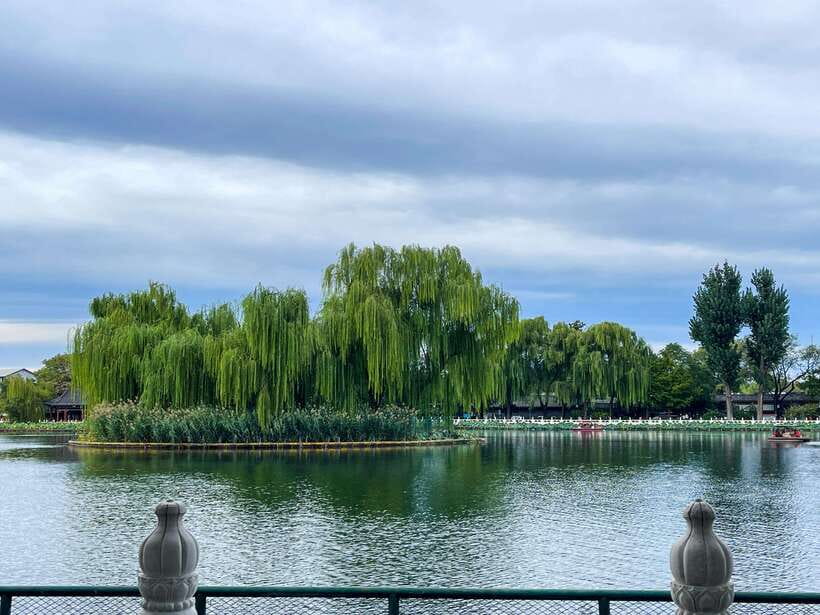
The tour often ends with another chance to try local food near the Drum Tower. Depending on your guide and preferences, this can mean snacks or a sit-down meal.
The food stops described on this experience include local noodles, baozi, pork liver, Beijing drinks, and small sweets such as durian pie. Guides have also helped people with particular dietary preferences find alternatives. That can be useful if you are cautious about unfamiliar ingredients or need help ordering.
Food is not just filler at the end of the tour. It gives you a chance to ask your guide about regional habits, ingredients, and how different dishes fit into everyday life. Guides such as Jenny and Susan have been praised for explaining culinary specialties, while Tony was described as combining food stops with history and culture.
Still, you should treat the food as flexible rather than guaranteed. The exact restaurant, dishes, and amount you eat are not fixed in the information provided. Bring cash, and tell your guide early if you have dietary limits.
Guide quality and the value of a small group
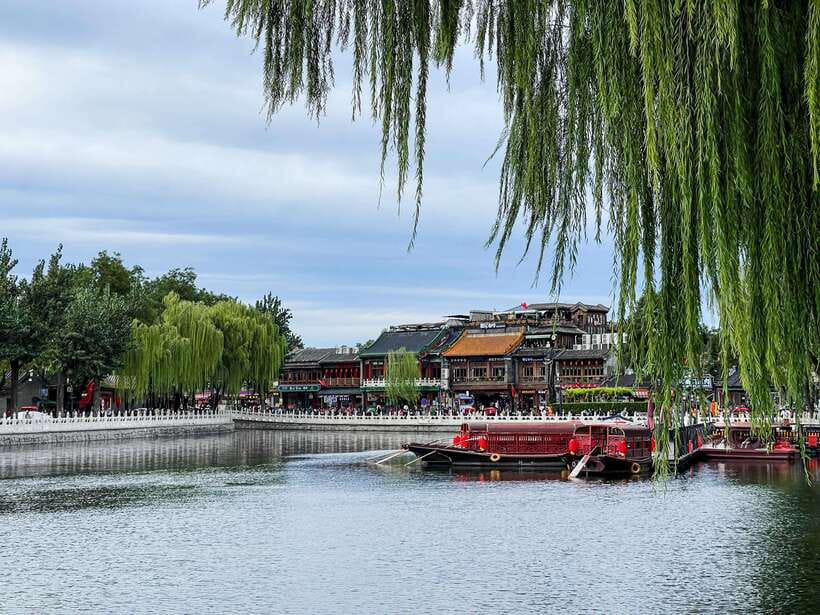
The guide is the factor most likely to shape your experience. The tour is available privately or in small groups, and the guide leads in English.
Several guide names come up repeatedly in the supplied feedback, including Amber, Alice, Jenny, Linda, Lisa, Susan, Tony, and Kolar Lee. Specific strengths include clear English, local food help, historical explanations, patience, and a willingness to answer questions beyond the formal route.
Alice, for example, helped a parent and child with snacks and accompanied them back to their hotel after the activity. Jenny helped visitors with food choices and offered extra Beijing tips after the tour. Tony combined the lakes, hutongs, food, Drum Tower performance, and souvenir shopping into a well-paced day.
You should not assume you will receive a particular guide unless the booking confirms it. But the repeated praise for personal attention is a useful sign of what this experience is designed to provide: not just directions, but conversation and interpretation.
A private or small-group format is especially useful in hutongs. Narrow lanes are easier to manage with fewer people, and you can ask about architecture, religion, food, or daily life without losing your guide in a crowd.
Price, timing, and what you actually pay for
The listed price is $69 per person for three to four hours. That is reasonable if you value a private or small-group guide, cultural explanation, and help with food and local navigation.
The price is less attractive if you only want to walk around the lakes and take photographs. You can see some of the public streets independently, but you would miss the organized sequence, home visit option, rickshaw arrangement, and explanations about the hutongs.
Budget extra for subway or other public transportation, entrance tickets, food, souvenirs, and any optional rickshaw ride. The rickshaw is listed at 200 CNY for two participants for about 30 minutes. Since meeting points and inclusions may vary by option, read the selected package carefully.
The activity allows cancellation up to 24 hours in advance for a full refund and offers reserve-now, pay-later booking. Wheelchair accessibility is listed, but the route includes old lanes, a tower climb, and optional activities with different physical demands. Ask about the exact arrangement before booking if accessibility is important to you.
Who should book this Beijing hutong tour
I would choose this for a first visit to Beijing if you want more than a checklist of major monuments. It gives you a manageable introduction to old neighborhoods and combines several kinds of experience in one morning or afternoon.
It is also a good fit for:
- People who want local food but need help ordering
- Visitors interested in courtyard homes and family life
- Couples who like the idea of sharing a rickshaw
- Families who prefer a guide who can adjust the pace
- Short-stop visitors who want a compact Beijing experience
- Anyone curious about Taoism and present-day religious life
It may be less suitable if you dislike walking, food stops, or flexible schedules. The route includes old lanes and a Drum Tower climb, and the best parts depend on conversation and curiosity rather than polished attractions.
Should you book the Hutongs and Drum Tower tour?
Book it if you want Beijing explained through neighborhoods, homes, food, and stories rather than only through imperial monuments. The combination of Qianhai and Houhai lakes, Yandai Byway, a Taoist temple, traditional lanes, and the Drum Tower gives you a broad look at the old city in three to four hours.
Choose the option with the courtyard-home visit if personal contact matters most. Add the rickshaw if you want a historic-feeling ride and a short rest from walking. If food is a major reason for booking, bring Chinese cash and tell your guide what you can eat.
At $69 per person, the strongest value comes from the guide. Names such as Jenny, Amber, Alice, Tony, and Susan appear in the experience’s feedback because they offered more than dates and directions. They helped with food, explained modern life, answered questions, and adjusted the outing to suit the people in front of them.
FAQ
How long does the Beijing hutong tour last?
The tour lasts approximately three to four hours. Starting times depend on availability.
Where does the tour meet?
The guide usually meets participants at Exit A2 of Shichahai subway station on Line 8. The meeting point may vary depending on the option booked.
Is the tour conducted in English?
Yes. The activity includes a live English-speaking guide.
Are the rickshaw ride and home visit included?
They are included if you select the option that contains them. The rickshaw is for two people and lasts about 30 minutes, with a listed price of 200 CNY for two participants.
Are entrance tickets included?
No. Entrance tickets are not included, so budget separately for the Drum Tower or any other paid entry.
Is public transportation included?
No. You pay separately for public transportation to the meeting point and elsewhere during the activity.
Should I bring cash?
Yes. Bring Chinese cash if you want to purchase food or souvenirs from local stores.
Is the tour wheelchair accessible?
Wheelchair accessibility is listed for the activity. Because the route includes hutong lanes, optional activities, and a Drum Tower climb, confirm the details for your selected option before booking.
Can I cancel for a full refund?
Yes. You can cancel up to 24 hours in advance for a full refund. The activity also offers reserve-now, pay-later booking.
Latest additions around Beijing
- Private Hike from Beijing: Go Beyond The Jiankou and Mutianyu Great Wall★ 5.0 · 3 reviews
- Bullet Train Private Tour: Beijing Tiananmen Square, Forbidden City & Great Wall★ 5.0 · 3 reviews
- Private Great Wall Hiking Tour from Simatai West to Jinshanling★ 4.5 · 3 reviews
- Private Transfer for Beijing Airport PEK or PKX★ 5.0 · 3 reviews
- Private Jinshanling relax photo tour by sunset★ 5.0 · 3 reviews
- Private All-inclusive Jinshanling Great Wall 1-day tour★ 4.5 · 3 reviews
- Liyuan Theater Beijing Opera Show Tickets★ 5.0 · 3 reviews
- Beijing Night Tour with Acrobatics Show & PekingDuck Dinner★ 5.0 · 3 reviews
Hutong Tours, compared.

Beijing Hutong Walking Food and Beer Tour at Hidden Restaurants
Read our review →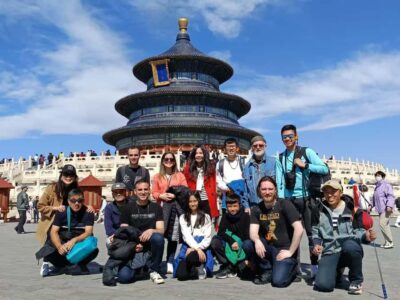
Temple Heaven, Summer Palace, Lama Temple, Hutong Bus Tour
Read our review →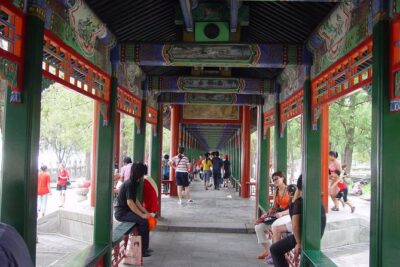
Temple of Heaven, Summer Palace, Lama Temple, Hutong Tours
Read our review →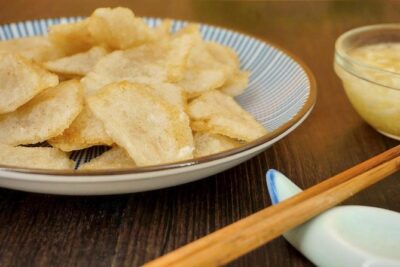

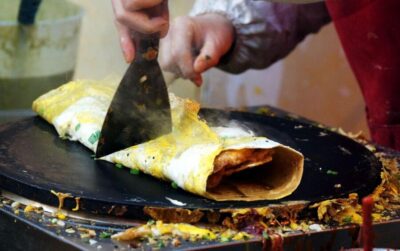

Beijing City Walk: Explore Hutongs Life and Old Beijing
Read our review →Browse the lists this tour appears in