
Reviewed · HUTONG TOURS
Beijing: Hutongs & Food & Culture Walking Tour
Beijing’s hutongs are best understood on foot, one narrow lane at a time. This tour pairs old courtyard homes and neighborhood life with local bites such as jianbing guozi, candied hawthorns, and the famously challenging douzhi. You get a look at the city beyond grand gates and palace walls.
I like the choice of starting points, including Drum Tower, Shichahai, and the Capital Museum. I also like the chance to add a rickshaw ride and home visit, since that can make the old neighborhoods easier to understand than a quick walk past closed courtyard doors.
The main caution is that the advertised experience appears to combine several route options. Some bookings may focus on hutongs and food, while another option includes a three-hour Capital Museum visit. Check the exact choice, meeting point, and inclusions before paying.
In This Review
- Key points to know before booking
- Beijing’s hutongs show the city at street level
- Nanluoguxiang mixes old residences with new Beijing
- Shichahai adds water, willows, and a slower pace
- Street food turns the walk into a taste of daily life
- Tea, paper cutting, and calligraphy add cultural context
- The Capital Museum option needs special attention
- What the $2.86 price really tells you
- Timing, meeting points, and practical preparation
- Guide languages and group choices
- Who should book this Beijing walk?
- Should you book it?
- FAQ
- How long does the experience last?
- Where does the tour start?
- Is food included in the price?
- Is a rickshaw ride included?
- Which languages are available?
- Can I cancel the booking?
Key points to know before booking
- Hutong lanes and courtyard homes: Walk among gray-tiled siheyuan residences, red doors, old walls, and everyday neighborhood scenes.
- Street food with strong local character: Look for jianbing guozi, tanghulu, youtiao, preserved vegetables, and douzhi.
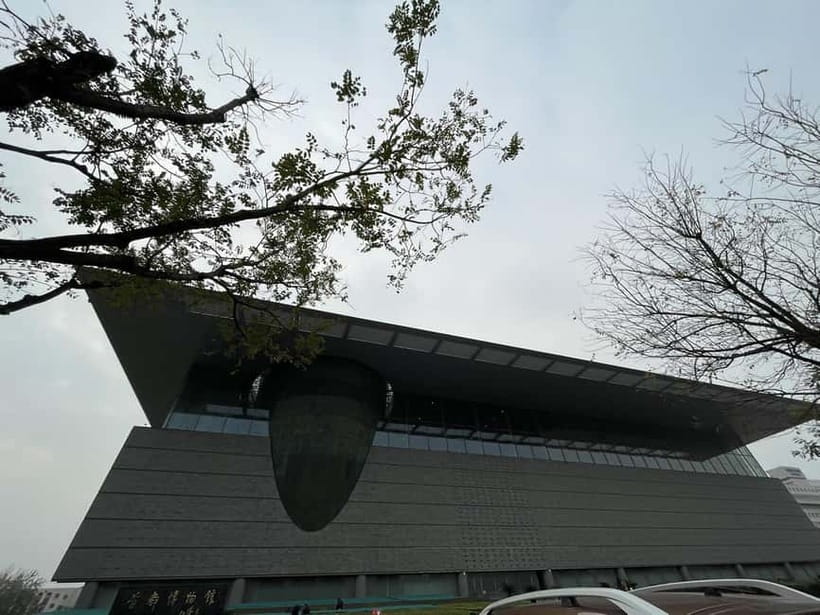
- Three possible starting points: Meet at Drum Tower, the Capital Museum, or Shichahai, depending on the option you choose.
- Optional rickshaw and home visit: This is included only with the selected option, not automatically with every booking.
- Several guide languages: English, Chinese, French, and Dutch are offered, with private groups available.
- A mixed rating with limited detail: The listed score is 3.8 from six reviews, while the clearest praise concerns the museum visit and agency service.
Beijing’s hutongs show the city at street level
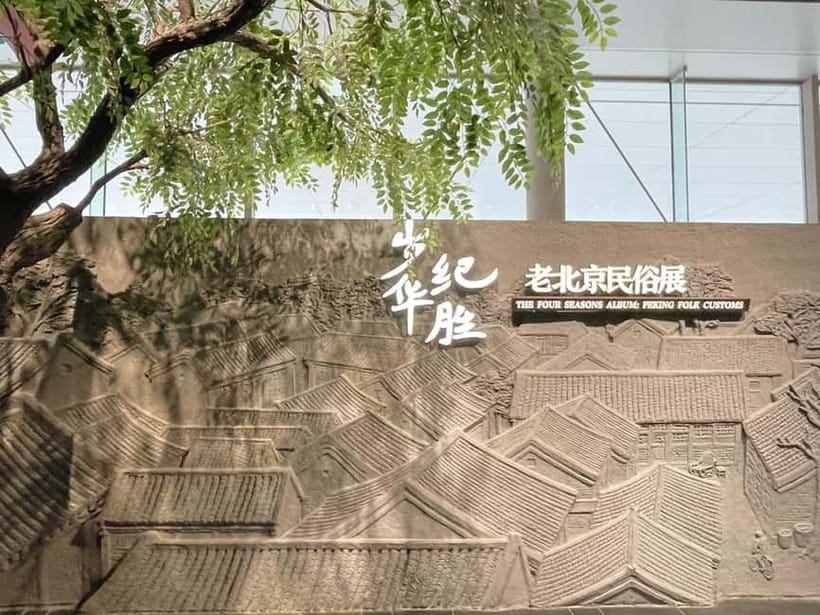
The appeal here is simple: you leave behind Beijing’s huge avenues and see how older neighborhoods work at human speed. Hutongs are narrow lanes lined with traditional siheyuan, or courtyard homes. Their gray roofs, red wooden doors, brass knockers, and climbing vines give the streets a quieter look than central Beijing’s major sights.
I like this kind of walk because the buildings do not tell the whole story by themselves. The useful part is learning how the courtyards once housed both noble families and ordinary residents, and how family life and neighborhood ties developed around shared lanes and enclosed homes.
Do not expect every door to open. Much of the value comes from looking carefully at the street, hearing the guide explain what you are seeing, and noticing how old structures fit beside newer shops, cafes, and homes. The tour description includes a home visit only when the rickshaw option is selected, so you should not assume that every booking includes an interior visit.
The walking itself should be manageable for most people, but the duration can range from three to six hours. That is a large difference. A three-hour outing may feel like a focused introduction, while a longer option gives you more time for food, tea, craft demonstrations, and Shichahai.
More hutong wanders:
- Beijing Hutong Walking Food and Beer Tour at Hidden Restaurants
★ 5.0 · 1,132 reviews - Temple Heaven, Summer Palace, Lama Temple, Hutong Bus Tour
★ 4.7 · 319 reviews - Temple of Heaven, Summer Palace, Lama Temple, Hutong Tours
★ 5.0 · 311 reviews
Nanluoguxiang mixes old residences with new Beijing
Nanluoguxiang is one of the best-known hutong areas on the route. It combines old residential lanes with small shops, cafes, and boutique businesses. This makes it a useful first stop for understanding how Beijing’s older neighborhoods are being used today.
I enjoy the contrast. One minute you may be looking at a traditional courtyard entrance, and the next you are near a modern cafe or a shop aimed at younger residents. It is not a perfectly preserved museum street, and that is precisely the point. The area shows old Beijing as a living part of the present city.
The drawback is that a popular commercial lane may feel less residential than the quieter hutongs around it. If you want only silent lanes and untouched courtyards, Nanluoguxiang may seem too polished in places. If you want an easy introduction with food and shops nearby, it makes sense.
Your guide can help separate the old details from the newer decoration. Look at rooflines, door frames, lane width, and the layout of the homes. Those small features explain more about traditional Beijing neighborhoods than a quick photo stop does.
Shichahai adds water, willows, and a slower pace
Shichahai gives the route a different mood. The area surrounds scenic lakes, with willow trees, lakeside teahouses, and open views that offer a break from the tight lanes. You might see locals flying kites by the water or simply enjoying the shore.
I like having this change of setting in a walking tour. Hutongs can feel enclosed and detailed, while Shichahai gives you room to pause and take stock. It also provides a natural setting for discussing how old Beijing neighborhoods developed around water and public gathering places.
The starting point matters here. If you begin at Shichahai, you may get your bearings beside the lakes before moving into the lanes. If you begin at Drum Tower or the museum, Shichahai may arrive later as a relaxing part of the route.
The tour information does not promise a particular lakeside teahouse, boat ride, or performance. Treat those as possible surroundings rather than guaranteed activities. The same applies to Peking Opera, which you might hear near a venue but should not book this tour specifically to see.
Street food turns the walk into a taste of daily life
Food is one of the strongest reasons to choose this experience. Beijing’s street snacks are not just photo props. They show what people eat during a normal morning, what flavors are sold from small stalls, and how texture matters in northern Chinese cooking.
Jianbing guozi is the most approachable choice for many people. It is a crisp crepe built with egg, scallions, savory sauce, and a crunchy fried wrapper. You can think of it as a fast, filling breakfast with several textures in one hand-held meal.
Tanghulu is easier for cautious eaters. These candied hawthorns are sweet, tart, and served on a stick. The hard sugar shell gives way to a sharp fruit center, making this a fun snack while walking.
Douzhi is the test of your curiosity. This fermented mung bean soup has a sour, unusual flavor and is commonly paired with youtiao, fried dough sticks, and preserved vegetables. I would try it if you want a genuine local taste, but I would not order a large serving without knowing what you are getting.
Food and beverages are not included in the listed price. Bring extra cash or a suitable payment method for anything you want to sample, and ask the guide about costs before ordering. The tour is an introduction to neighborhood food, not an all-inclusive food crawl.
More food experiences in Beijing:
- Beijing: Hidden Gems Guided Food Tour with Beer and Tastings
★ 4.9 · 306 reviews - Beijing Private Hutong Food Walking Tour
★ 5.0 · 299 reviews - Beijing Hutong Breakfast Food Tour
★ 5.0 · 155 reviews - Beijing Hutong Breakfast Food Tour
★ 5.0 · 120 reviews
Tea, paper cutting, and calligraphy add cultural context
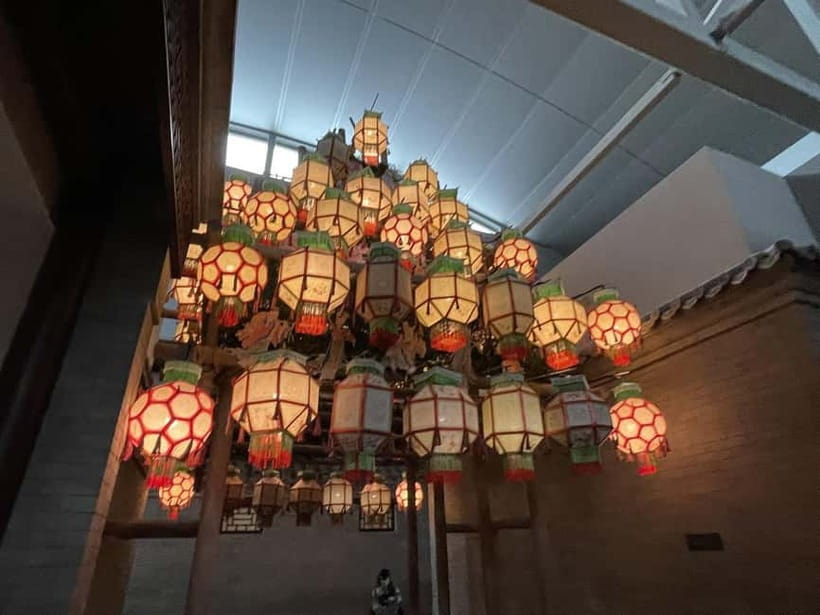
The experience may include a stop at a traditional teahouse, where a tea master demonstrates a ceremony and explains jasmine tea or oolong. This can be a welcome quiet moment after walking through crowded lanes.
I find tea demonstrations most useful when they explain how the leaves are prepared, why water and timing matter, and how tea fits into Chinese social life. The description promises guidance from a tea master, but it does not specify a particular teahouse or tea selection. Consider it part of the cultural program rather than a fixed performance with a published schedule.
You might also encounter a folk craft workshop. Paper cutting is used to create delicate designs linked with luck and prosperity, while calligraphy shows how brush pressure and ink shape Chinese characters. These are short encounters, but they give you something concrete to watch instead of another general talk about culture.
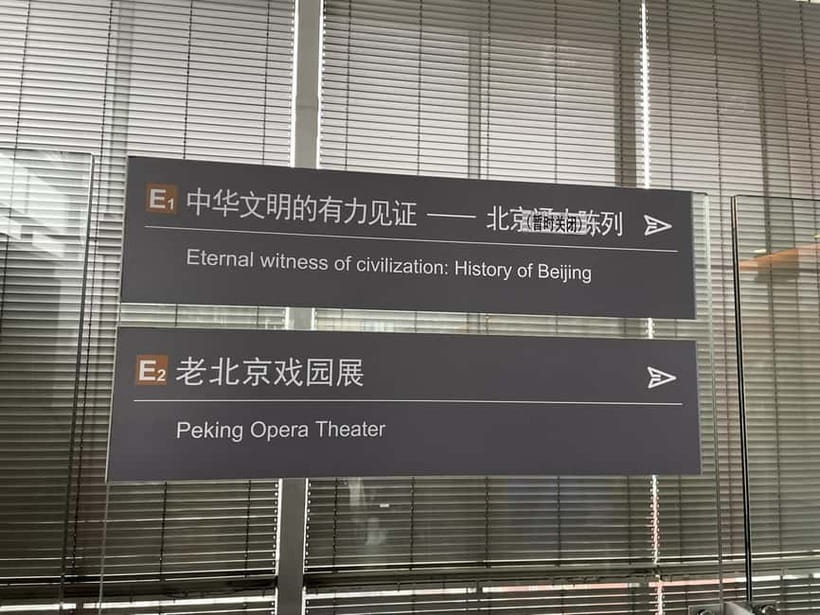
Peking Opera is another possibility near a local venue. Its costumes, singing style, and makeup are closely tied to Beijing’s arts tradition. Still, no full opera performance is promised, so keep your expectations modest. If opera is a top priority, book a dedicated show separately.
The Capital Museum option needs special attention
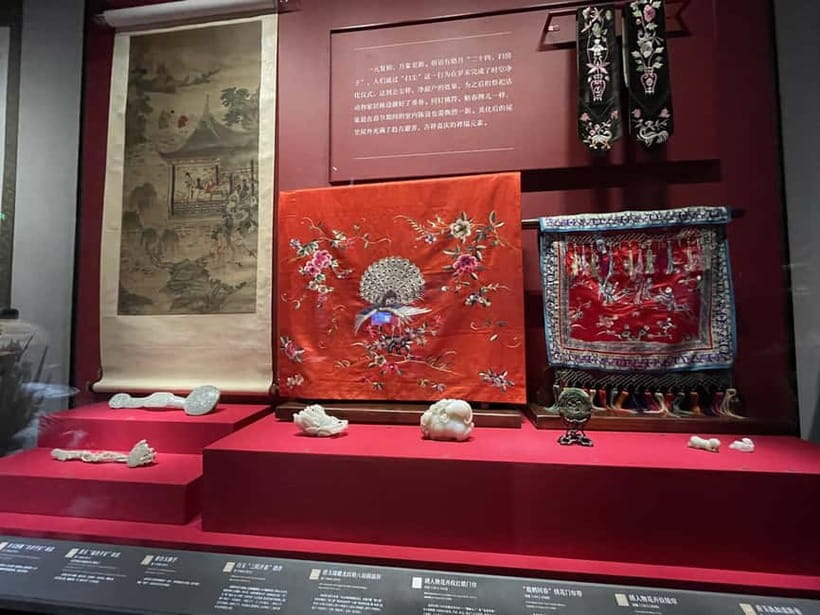
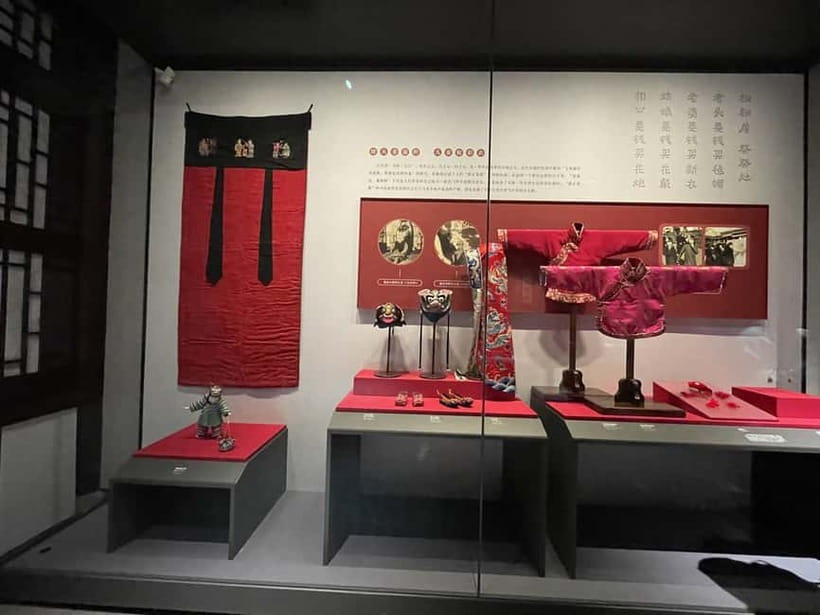
The itinerary also identifies the Beijing Capital Museum as a stop with a three-hour guided tour. This creates an important distinction between the available bookings. The experience title emphasizes hutongs, food, and culture, but the museum option may be a more conventional indoor sightseeing program.
The museum was praised in the supplied feedback for being large and interactive, and one booking was specifically for tickets without a tour. That tells me the museum can work well for visitors who want exhibits and a break from outdoor walking. It also suggests that the ticket-only and guided choices may not provide the same experience.
If you select this option, read the wording carefully. Confirm whether you are buying admission only or a guided visit, and check whether food, hutong walking, a rickshaw ride, or a home visit is included. The meeting point may change with the option.
A museum visit can be a smart choice in poor weather or when you want a more structured three-hour activity. It is less suitable if your main aim is street food and neighborhood life. The low advertised price may reflect different entry-level options rather than one single, fully loaded tour.
What the $2.86 price really tells you
At $2.86 per person, this looks like a starting price rather than the likely total cost of a full private experience with food and transport. Food is extra, and the rickshaw ride and home visit are included only if you select that option. The exact price may also vary by route and availability.
I would judge the value by the specific booking, not the headline amount. A basic guided walk at that price could be excellent value if the guide provides useful context and takes you beyond the most obvious commercial lanes. A longer route with added transport, museum admission, or a home visit will naturally cost more.
The listed score is 3.8 from six reviews, so the sample is small. The clearest positive points are an enjoyable, interactive museum and good agency service. The short comments do not provide enough detail to judge the quality of the hutong interpretation, food stops, or individual guides.
Timing, meeting points, and practical preparation
You can choose from three starting locations: Drum Tower, the Capital Museum, or Shichahai. Because the meeting point depends on the option, save the exact location shown with your booking rather than relying on the general tour title.
The duration is listed as three to six hours, with starting times dependent on availability. That range matters if you have a train, flight, dinner reservation, or another Beijing sight planned afterward. I would leave a generous buffer, especially if your route includes several food or cultural stops.
Bring your passport and the passport or ID information requested for ticket booking. For museum admission, passport information must be sent in advance, and during Chinese holidays you are advised to book seven days ahead so tickets can be arranged.
Large bags and luggage are not allowed. Photography is permitted, but flash and tripods are prohibited. Smoking indoors, bicycles, pets except assistance dogs, alcohol, drugs, loud noise, littering, and open flames are also prohibited.
The tour is wheelchair accessible, and the museum is specifically described as accessible. Still, hutong lanes can vary in surface and width, so contact the provider if you need details about the exact walking route. The activity is not considered suitable for people over 95.
Guide languages and group choices
Guiding is available in English, Chinese, French, and Dutch. That is useful for couples or families who want explanations in a preferred language, though you should confirm the language for your selected departure.
Private groups are available. I would consider that upgrade if you care about food choices, need a slower walking pace, or want more time for questions about courtyard homes and local customs. A private format may also help when one person wants the museum and another wants the hutongs, though you should confirm what the selected option actually covers.
No guide names are provided, so I cannot point you toward a particular individual. The agency is identified as Sister tours, and one short comment specifically praises the agency’s service. That is a modest positive sign, but not enough to predict the style or depth of every guide.
Who should book this Beijing walk?
I would recommend it to a first-time Beijing visitor who wants an introduction to old neighborhoods without arranging several separate activities. It suits people who like walking, small food samples, local design, and everyday scenes more than grand monuments alone.
It also works for visitors who want flexibility. You can choose a hutong-focused route, start near Shichahai or Drum Tower, or select a museum-centered option. The language choices and private-group availability broaden its appeal.
I would be more cautious if you want a dedicated food tour with all tastings included. Since food and drinks cost extra, you will need to budget beyond the advertised price. I would also look elsewhere if you require a guaranteed Peking Opera show, a specific teahouse, or a confirmed home interior.
Should you book it?
Book this experience if you want a practical first look at Beijing’s hutongs, with the chance to add street food, tea, crafts, and a rickshaw ride. Its strongest value is the combination of ordinary neighborhood life and small cultural details, not a long list of formal attractions.
Before booking, confirm four things: your starting point, whether your choice is the hutong route or Capital Museum option, whether food is extra, and whether the rickshaw ride and home visit are included. At the low entry price, that check is essential.
If those details match your plans, this can be a good-value way to spend three to six hours in Beijing. If the listing shows only museum admission, treat it as a museum visit rather than expecting the full hutong and food program.
FAQ
How long does the experience last?
The activity lasts between three and six hours. Starting times depend on availability and the option selected.
Where does the tour start?
The three listed starting points are Drum Tower, the Capital Museum, and Shichahai. Your meeting point may vary according to the booking option.
Is food included in the price?
No. Personal expenses, food, and beverages are not included, so you should budget separately for snacks and drinks.
Is a rickshaw ride included?
A rickshaw ride and home visit are included only if you select the option that includes them.
Which languages are available?
The live guide can provide the tour in English, Chinese, French, or Dutch.
Can I cancel the booking?
Yes. You can cancel up to 24 hours in advance for a full refund. The activity also offers reserve now and pay later booking.
More Walking Tours in Beijing
- Private Beijing Walking Tour of the Forbidden City with 7 Options
★ 5.0 · 675 reviews - Forbidden City Private Walking Tour with Optional Sights
★ 5.0 · 400 reviews - Beijing: Hutong Culinary Walking Tour with 15+ Tastings
★ 5.0 · 162 reviews - Beijing City Walk: Explore Hutongs Life and Old Beijing
★ 5.0 · 146 reviews
Latest additions around Beijing
- Private Hike from Beijing: Go Beyond The Jiankou and Mutianyu Great Wall★ 5.0 · 3 reviews
- Bullet Train Private Tour: Beijing Tiananmen Square, Forbidden City & Great Wall★ 5.0 · 3 reviews
- Private Great Wall Hiking Tour from Simatai West to Jinshanling★ 4.5 · 3 reviews
- Private Transfer for Beijing Airport PEK or PKX★ 5.0 · 3 reviews
- Liyuan Theater Beijing Opera Show Tickets★ 5.0 · 3 reviews
- Private Jinshanling relax photo tour by sunset★ 5.0 · 3 reviews
- Private All-inclusive Jinshanling Great Wall 1-day tour★ 4.5 · 3 reviews
- Beijing Night Tour with Acrobatics Show & PekingDuck Dinner★ 5.0 · 3 reviews
Hutong Tours, compared.
Beijing Hutong Walking Food and Beer Tour at Hidden Restaurants
Read our review →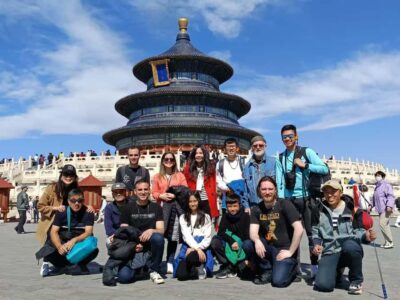
Temple Heaven, Summer Palace, Lama Temple, Hutong Bus Tour
Read our review →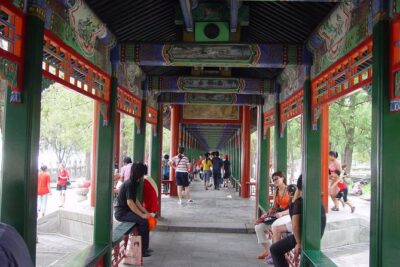
Temple of Heaven, Summer Palace, Lama Temple, Hutong Tours
Read our review →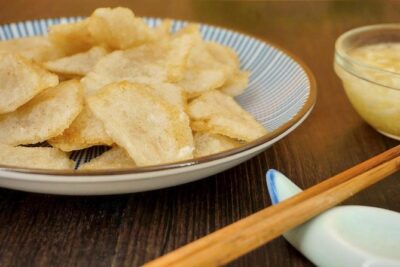

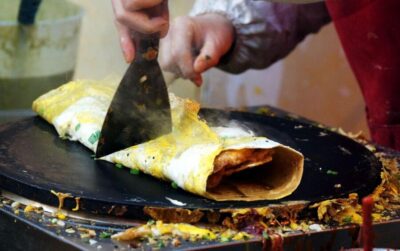

Beijing City Walk: Explore Hutongs Life and Old Beijing
Read our review →Browse the lists this tour appears in