
Reviewed · LAMA TEMPLE TOURS
Beijing: Lama Temple, Confucius Temple and Guozijian Museum
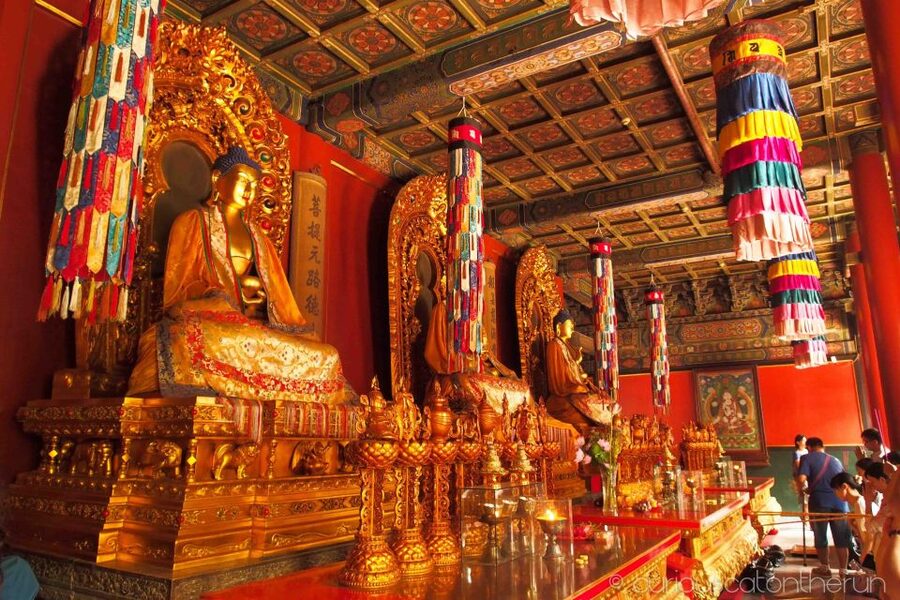
The most striking sight here is the 54-foot Maitreya Buddha, carved from one Nepalese sandalwood log and displayed inside Beijing’s Lama Temple. This four-hour private tour then links Buddhist worship with Confucian learning, ending in the old hutong lanes near Wudaoying.
I like the way the route joins three very different parts of Chinese culture: living temple practice, imperial education, and neighborhood life. I also like the private format, since guides such as Anne, Cassie, Mike, Ranee, and Aurora have been praised for clear English and engaging explanations. The main consideration is pace: four hours covers a lot, and the tour does not include return transport unless you choose the private-car option.
In This Review
- Key points at a glance
- Why this route works so well in northern Beijing
- Starting at the Lama Temple
- Walking through the hutong to the Confucius Temple
- The Temple of Confucius and Guozijian
- Seeing Beijing life in the hutong lanes
- What the four-hour schedule feels like
- The guide is the main value
- Who should book this experience?
- Should you book the Lama Temple and hutong tour?
- FAQ
- How long does the tour last?
- Where does the tour begin?
- What language is the tour offered in?
- Is transportation included?
- What entrance fees are included?
- Can I combine the tour with a meal?
Key points at a glance
- One huge sandalwood Buddha: See the Lama Temple’s 54-foot Maitreya statue, carved from a single precious log from Nepal.
- A working place of worship: Watch local visitors burn incense and pray, with your guide explaining the customs and Buddhist figures.
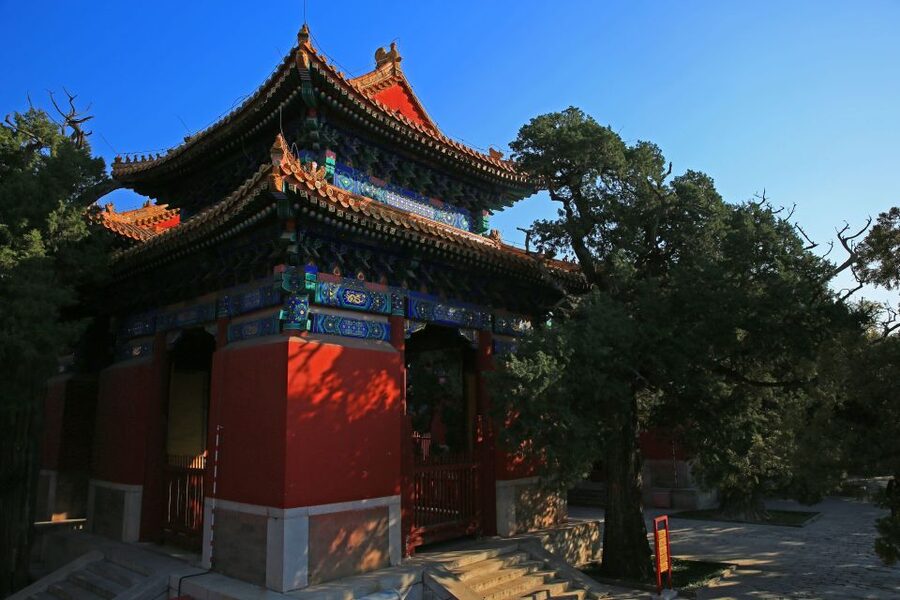
- Two linked centers of learning: Visit the Temple of Confucius and Guozijian, the former imperial college built in 1306.
- A quieter side of Beijing: Walk through hutong alleys and look at the traditional neighborhood layout and daily life.
- A private four-hour visit: Hotel pickup, entrance fees, and an English-speaking guide are included.
- Optional easier transport and food: Add a private car, and you can also combine the tour with a dim sum meal.
Why this route works so well in northern Beijing
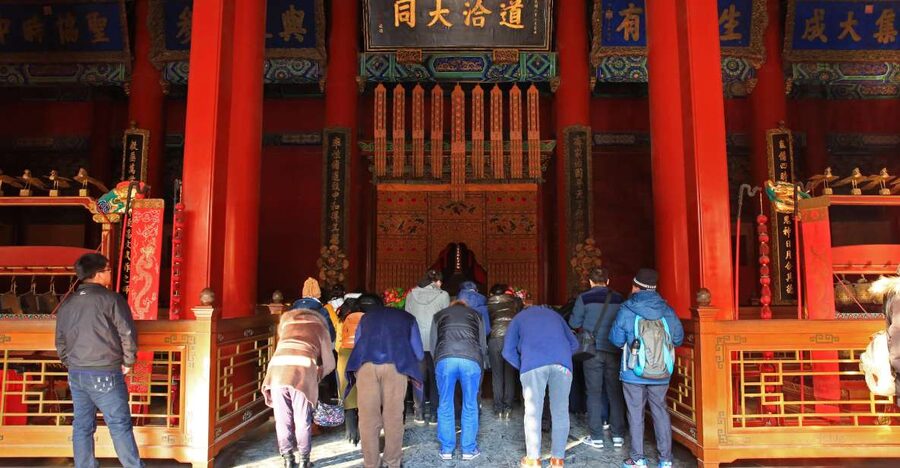
This tour makes sense because the three main stops sit close enough to connect on foot, yet each explains a different idea that shaped China. At the Lama Temple, you see religion practiced in the present. At the Confucius Temple and Guozijian, you learn how education and government were tied together for centuries. In the hutongs, those grand ideas give way to ordinary neighborhood life.
I find that contrast more useful than visiting another string of imperial halls. You are not just looking at old buildings. You are getting a basic guide to how belief, learning, family life, and public duty fit together in Chinese culture.
The tour is private, so the guide can adjust explanations to your interests. If the Buddha statues leave you puzzled, you can ask for a simple explanation. If you already know the broad story of Confucianism, you can spend more time on architecture and local life. Recent guide assignments have included Anne, Cassie, Mike, Ranee, and Aurora, all noted for friendly, easy-to-follow English and strong storytelling.
The $80 price is reasonable if you value a guide and hotel pickup. It includes admission and a private group, so you are paying for interpretation rather than only entry tickets. It is less attractive if you prefer to move at your own pace or already feel comfortable navigating Beijing’s subway and historic districts.
More Lama Temple visits:
- Temple Heaven, Lama Temple, Summer Palace & Peking Duck Bus Tour
★ 5.0 · 377 reviews - Temple Heaven, Summer Palace, Lama Temple, Hutong Bus Tour
★ 4.7 · 319 reviews - Temple of Heaven, Summer Palace, Lama Temple, Hutong Tours
★ 5.0 · 311 reviews
Starting at the Lama Temple
Your guide meets you in the lobby of your hotel, holding a sign with your name. From there, you can go to the Lama Temple by taxi or subway, or select the private-car option for a simpler transfer. The choice matters in Beijing, where a short map distance can still mean a tiring trip if you are unfamiliar with the city.
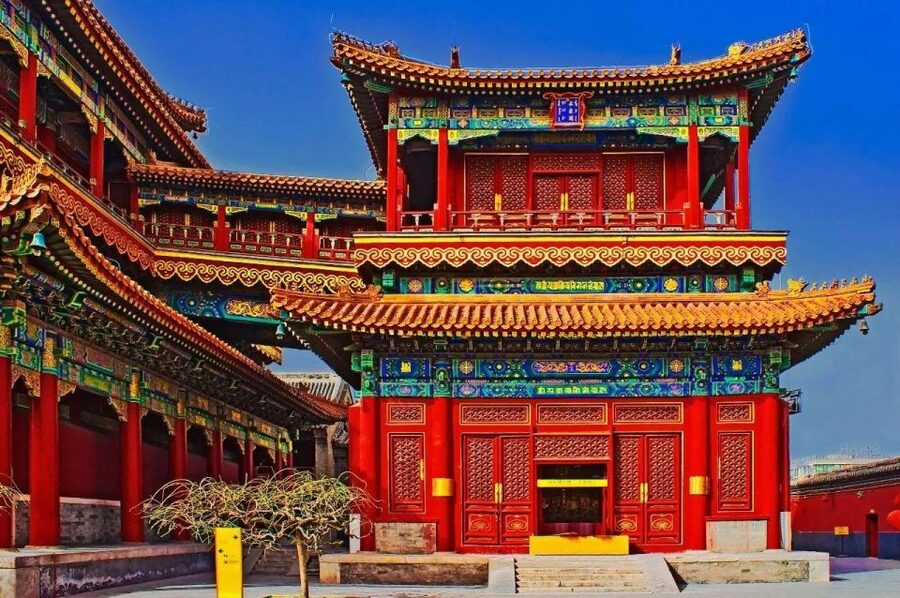
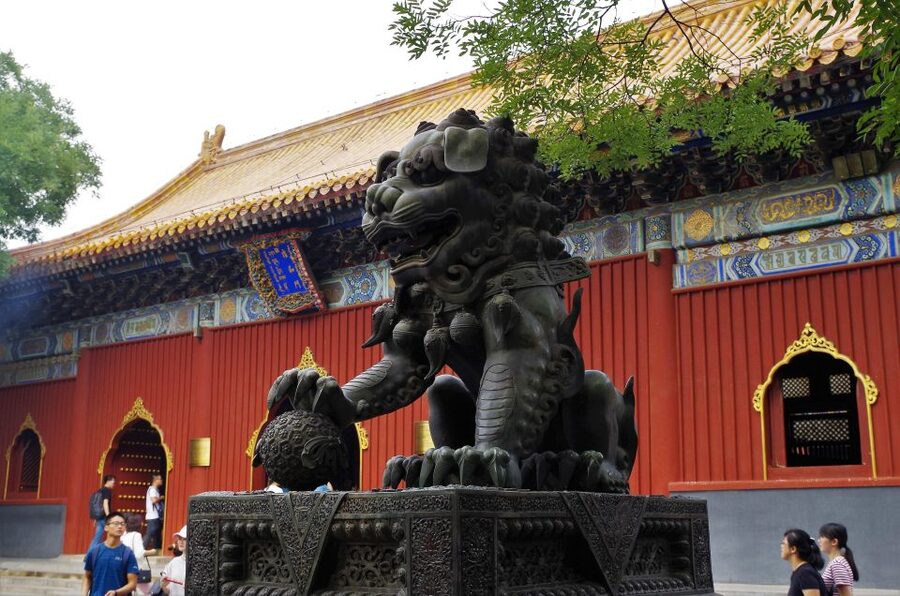
The Lama Temple, also known as Yonghe Temple, is the spiritual heart of this visit. You follow the guide through a series of courtyards and halls, seeing Buddhist statues and learning what they represent. The value here is not only the buildings. It is the chance to watch people using the temple for worship rather than treating it as a silent museum.
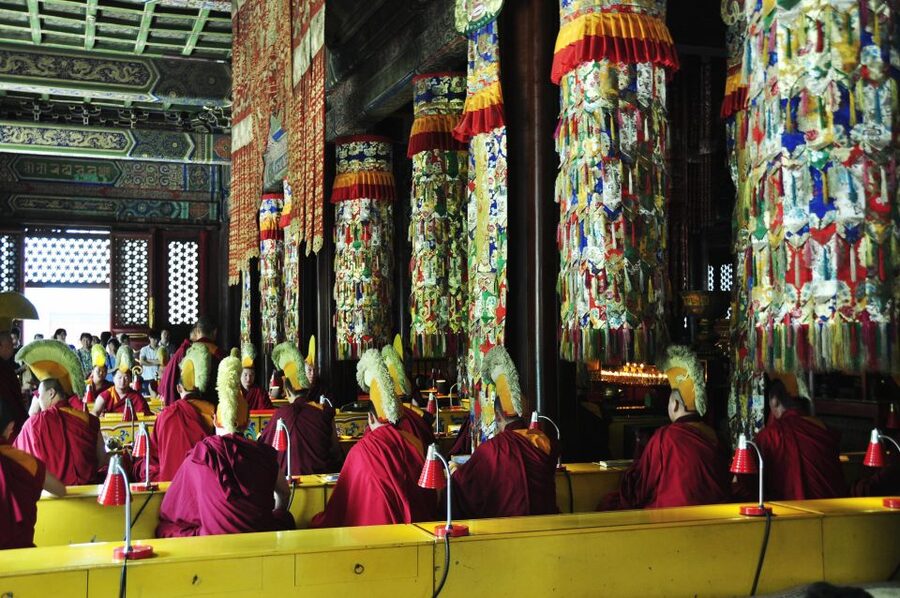
You may see local worshippers offering incense and praying before the halls. Your guide explains the gestures and customs, helping you observe respectfully instead of guessing what is happening. That makes this stop especially useful for first-time visitors who want a clearer idea of how religion functions in modern China.
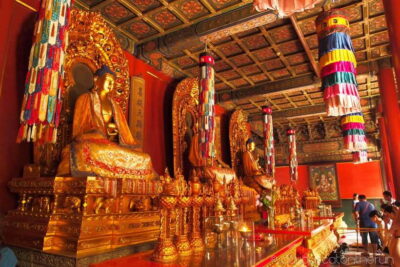
The temple contains several impressive statues, but the Maitreya Buddha is the major event. The figure is about 54 feet high and was carved from one white sandalwood log brought from Nepal. The scale is hard to take in from a photograph. Inside the hall, the statue rises above you with a calm, almost startling presence.
The story behind the statue gives the sight more meaning. It was not assembled from many sections or carved from several pieces joined together. The fact that it came from one precious log is part of what makes it remarkable, and your guide can put the craftsmanship and religious purpose into context.
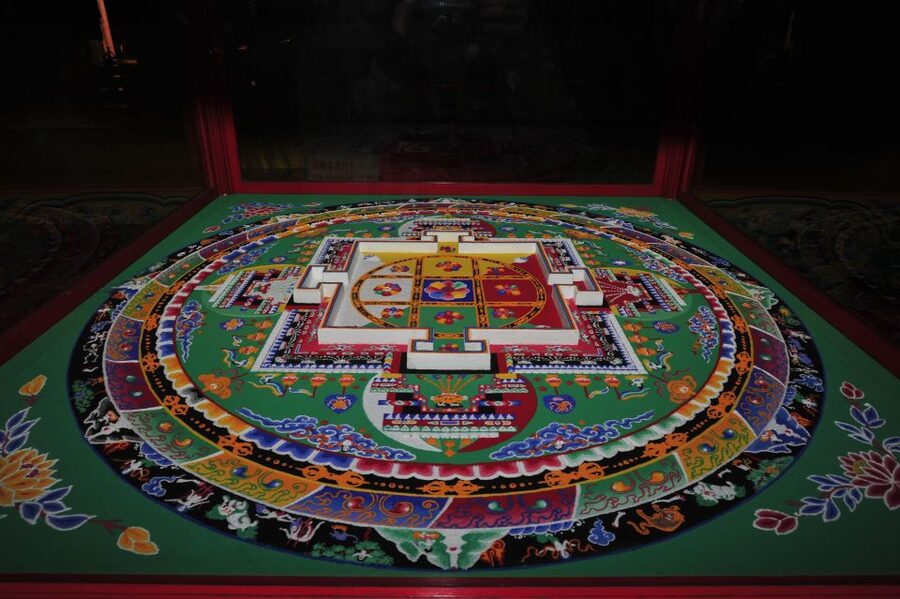
Allow yourself a moment to look carefully at the temple details. Courtyard design, roof lines, incense smoke, painted decoration, and the movement of worshippers all add to the experience. The guide’s explanations are important because many symbols will not be obvious if you are seeing Buddhist art for the first time.
There is one practical point to keep in mind. The Lama Temple can be crowded, especially on a busy day. A private guide helps by keeping the visit organized, but you should still expect less quiet than the word temple might suggest. Anne, one of the named guides, was specifically praised for keeping the day moving smoothly during a crowded visit.
Walking through the hutong to the Confucius Temple
After the Lama Temple, the route continues through a quieter hutong alley toward the Temple of Confucius and Guozijian Museum. This short walk is part of the appeal. Instead of staying on a major road or climbing straight into another tourist site, you get a look at the narrow lanes that shaped traditional Beijing neighborhoods.
A hutong is more than an old street. It is a neighborhood pattern made up of lanes and courtyard homes, with daily life once organized around close contact between households. The exact sights along the walk can vary, but the guide uses the area to explain how these districts developed and what life in them meant.
I like this transition because it gives you time to reset after the temple. The first stop is full of statues, incense, and ritual. The hutong walk is more human and observational. You might notice people coming and going, small storefronts, doorways, and the tight scale of the lanes. Do not expect a staged folk village. The point is to see an old urban form within the living city.
The walk also makes the second major stop easier to understand. The Temple of Confucius and Guozijian were not isolated monuments. They belonged to a city shaped by administration, scholarship, family networks, and official rank.
The Temple of Confucius and Guozijian
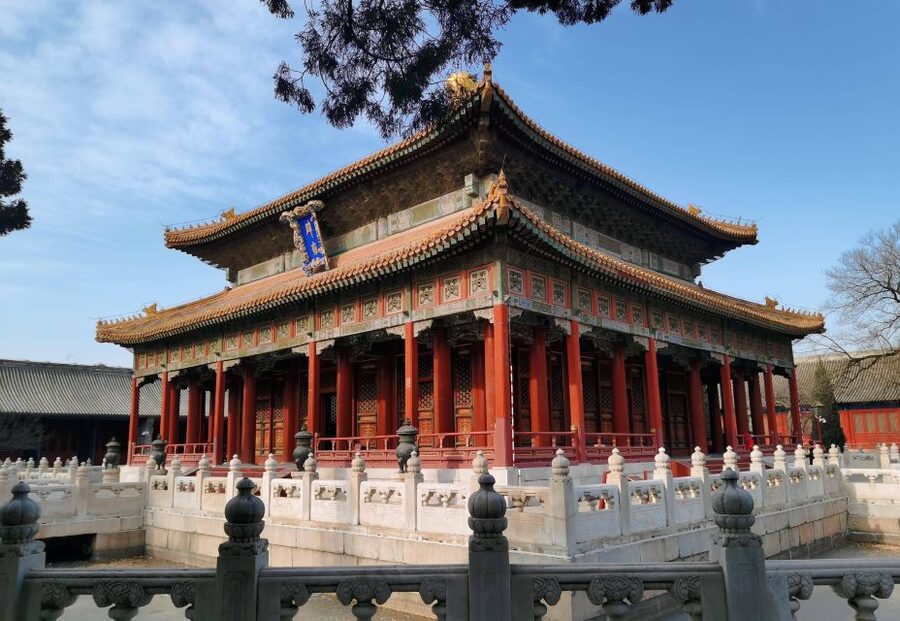
The Temple of Confucius and the Imperial College, known as Guozijian, were built in 1306 by the grandson of Kublai Khan. The college served as the highest academy during the Yuan, Ming, and Qing dynasties.
That date alone tells you why the site matters. This is not simply a temple honoring a famous thinker. It is tied to the system that trained officials and helped shape the state. Confucian ideas influenced conduct, education, government service, and family obligations, so the site gives you a window into the values behind imperial China.
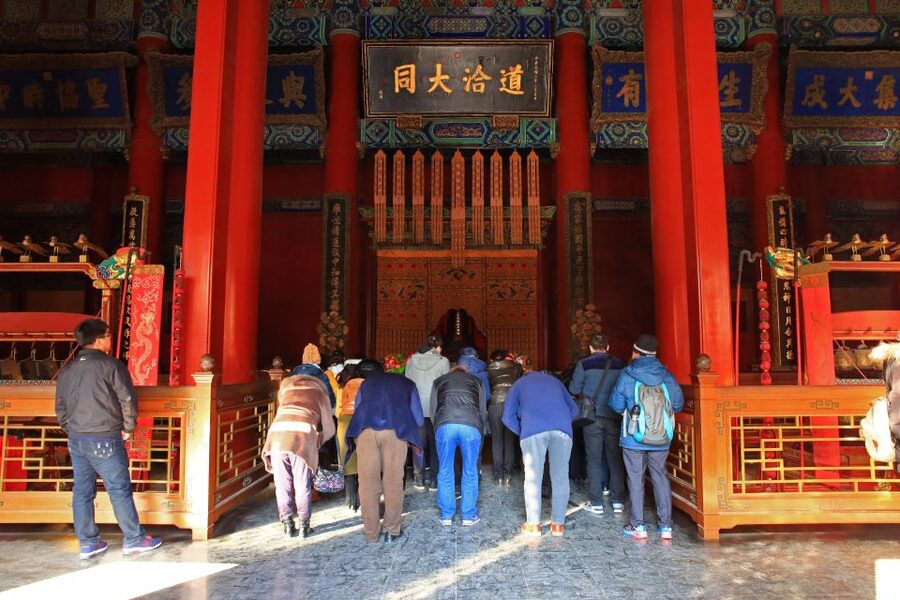
Your guide takes you through the complex and explains the stories connected with the buildings. This is where a private tour earns its keep. Without context, a quiet courtyard or ceremonial hall can look much like the one you just visited. With a clear explanation, you can understand why Confucius was honored, why education mattered so much, and how the imperial examination culture affected society.
Several guides have been singled out for making this material easy to follow. Mike was praised for presenting Chinese culture and thought in an entertaining way. Cassie was credited with giving clear context and making the visit joyful. Aurora was noted for explaining details in an understandable manner. Those qualities matter here because Confucian philosophy can become dry if it is presented as a list of names and dates.
The site is also a useful counterpoint to the Lama Temple. Buddhism here is seen through worship, images, and ritual. Confucianism is presented through education, moral conduct, respect for learning, and service. You are not being asked to choose between the two. You are seeing how different traditions influenced Chinese life in different ways.
The museum portion adds another layer, but the supplied details do not specify a particular exhibition or collection. I would treat it as part of the historical setting rather than expect a large, modern museum experience. The guide’s narration is likely to be the main source of detail.
More museums and exhibitions in Beijing:
- Beijing: Tianmen Square, Forbidden City & Royal Museum Tours
★ 4.6 · 1,288 reviews - Beijing:Jingshan Park (Palace Museum Garden) Ticket
★ 4.5 · 185 reviews - Beijing Half Day: National Museum of China In-depth Tour with Subway Transfer
★ 5.0 · 70 reviews - Beijing’s Forbidden City with Special Viewing of Treasure Gallery and the Great Wall Ruins at Badaling
★ 4.5 · 24 reviews
Seeing Beijing life in the hutong lanes
The final part of the tour returns to the hutongs around the temples and Guozijian. This is less about ticking off a monument and more about reading the neighborhood around you.
Your guide explains the history of Beijing’s hutong streets and the way people lived in them. That may include the role of courtyard homes, narrow lanes, and shared neighborhood space, though the exact observations depend on the day and route. You get the most from this section if you slow down and pay attention to the small details rather than rushing toward the next landmark.
The walk ends in the area of Wudaoying Hutong. You can finish there and continue exploring on your own. Your guide will suggest how to reach your next destination, which is useful if you are planning to visit another central Beijing sight or find a place to eat.
You can also add a dim sum meal to the tour. The information provided does not specify the restaurant, menu, or meal length, so I would confirm those details before booking the food option. It is a sensible add-on if you want the tour to end with a meal, but the core experience works without it.
Wudaoying is a good place to end because the mood is more relaxed than at the major temples. You have moved from formal religious and educational institutions into a neighborhood where you can continue looking around at your own pace. If you like having time to wander, this open-ended finish is a plus.
What the four-hour schedule feels like
Four hours is enough to see all three headline sites and take the hutong walk, but it is not a slow, exhaustive study of each complex. You will be moving steadily, with the guide selecting important halls, statues, and stories.
That pace suits you if you want a strong introduction to this part of Beijing. It may feel short if you want extensive photography time, long periods of quiet observation, or a detailed look at every room. The private format helps because your guide can spend more time on the places that interest you most, but the clock still matters.
Plan to wear comfortable shoes. The route includes walking through temple courtyards and hutong lanes, and transport arrangements can add time at the start. The tour begins in your hotel lobby, but the return trip is not included when you choose the option without a private car. You should know where you want to go afterward, especially since the tour ends in the hutong area rather than returning you to your hotel.
The private-car option is worth considering if you want the least planning. It includes private transfer, while the standard option uses taxi or subway to reach the Lama Temple and does not include transfer or hotel drop-off. For visitors staying far from the historic center, the car may make the $80 price easier to justify.
The guide is the main value
The buildings are important, but the quality of the visit depends heavily on the English-speaking guide. The strongest praise has focused on clear explanations, patience, cultural insight, and the ability to keep the route running smoothly when crowds appear.
That matters most at the Lama Temple and Guozijian. Religious images can be confusing without explanation, while the history of imperial education can become a blur of dynasties and official titles. A guide who explains the big idea first, then adds the details, will make the visit far more useful.
The named guides provide a sense of the service style you may receive. Ranee was described as making the visit pleasant through strong subject knowledge. Mike was praised for making Chinese culture and thought entertaining. Cassie brought clear context and a cheerful tone. Aurora explained details in simple English, and Anne managed a crowded day while keeping the tour organized.
You may not receive one of those specific guides, since assignments can vary. Still, the consistently high rating and repeated praise for guide quality suggest that the human side of this tour is its strongest feature.
Who should book this experience?
I would recommend this tour to first-time visitors who want more than the standard palace and Great Wall circuit. It gives you a compact look at religion, education, old neighborhoods, and present-day worship.
It is also a good match for anyone who prefers a private guide over a large group. You can ask questions, request clearer explanations, and spend more time on the parts that interest you. Families may appreciate the shorter format and the guide’s ability to explain unfamiliar customs in plain English.
History-minded visitors will enjoy the link between the Confucius Temple and Guozijian. Those interested in daily life will likely value the hutong walk most. The route is less suitable if you want a long food tour, a full museum visit, or a completely unstructured afternoon.
At $80 per person, the tour offers fair value when hotel pickup, entrance fees, private guiding, and the option of private transport are important to you. Compare the price carefully if you are booking for several people, since the total can rise quickly. The private format, rather than the admission tickets alone, is what makes the cost worthwhile.
You also have useful booking flexibility. You can cancel up to 24 hours in advance for a full refund, and you can reserve now and pay later. Starting times vary, so check availability for the date you want.
Should you book the Lama Temple and hutong tour?
Book it if you want a well-organized, private introduction to Beijing’s spiritual, educational, and neighborhood life. The 54-foot sandalwood Buddha is the visual highlight, but the real strength is the connection between three different parts of Chinese culture.
Choose the private-car option if you want simpler transport and hotel drop-off. Choose the standard option if you are comfortable using a taxi or subway and making your own way onward from Wudaoying Hutong. Add the dim sum meal only after confirming the restaurant details.
I would skip it only if you prefer exploring independently or plan to spend several hours at each site. For most visitors with a half-day available, this is a thoughtful route with strong guides, useful context, and a much better look at Beijing than a quick photo stop.
FAQ
How long does the tour last?
The tour lasts four hours. Check the available starting times when booking.
Where does the tour begin?
Your English-speaking guide meets you in the lobby of your hotel, holding a sign with your name.
What language is the tour offered in?
The tour is offered with a live English-speaking guide.
Is transportation included?
You can travel to the Lama Temple by taxi or subway. A private-car option is available for private transfer. If you choose the option without a private car, transfer and hotel drop-off are not included.
What entrance fees are included?
Entrance fees are included in the tour price.
Can I combine the tour with a meal?
Yes. You can choose an option that combines the tour with a dim sum meal.
Latest additions around Beijing
- Private Hike from Beijing: Go Beyond The Jiankou and Mutianyu Great Wall★ 5.0 · 3 reviews
- Bullet Train Private Tour: Beijing Tiananmen Square, Forbidden City & Great Wall★ 5.0 · 3 reviews
- Private Great Wall Hiking Tour from Simatai West to Jinshanling★ 4.5 · 3 reviews
- Private Transfer for Beijing Airport PEK or PKX★ 5.0 · 3 reviews
- Liyuan Theater Beijing Opera Show Tickets★ 5.0 · 3 reviews
- Private Jinshanling relax photo tour by sunset★ 5.0 · 3 reviews
- Private All-inclusive Jinshanling Great Wall 1-day tour★ 4.5 · 3 reviews
- Beijing Night Tour with Acrobatics Show & PekingDuck Dinner★ 5.0 · 3 reviews
Lama Temple Tours, compared.
Temple Heaven, Lama Temple, Summer Palace & Peking Duck Bus Tour
Read our review →
Temple Heaven, Summer Palace, Lama Temple, Hutong Bus Tour
Read our review →
Temple of Heaven, Summer Palace, Lama Temple, Hutong Tours
Read our review →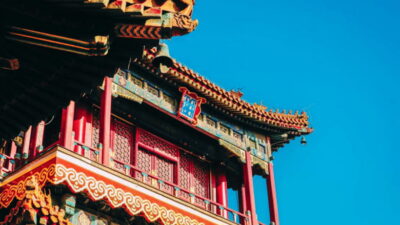

Beijing Historical Tour II including Summer Palace, Lama Temple & Panda Garden
Read our review →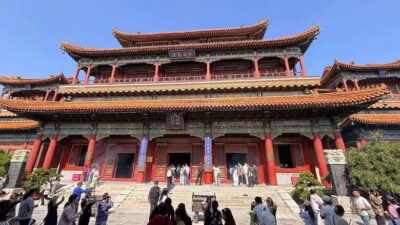
Beijing Lama temple ticket; #1 efficacious; limited Discount
Read our review →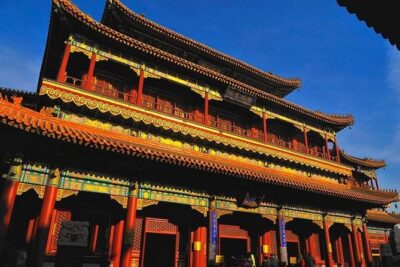
Panda House, Temple of Heaven, Lama Temple, Summer Palace & Lunch
Read our review →Browse the lists this tour appears in