
Reviewed · MUSEUMS
Yuxiandu Chinese Royal Cuisine Museum with Show and Royal Banquet
Beijing’s Yuxiandu Chinese Royal Cuisine Museum turns dinner into a small piece of court theater. You tour a museum, watch a Qing Dynasty ceremonial show, then sit down to a formal banquet built around imperial recipes. It is a polished cultural package rather than a quiet restaurant meal.
I like the English subtitles on the walls, which make the performance much easier to follow without Chinese. I also like the chance to dress as a Qing emperor or empress, a playful extra that gives families and first-time visitors a better connection to the setting. The main drawback is the fixed schedule: arrive late and you can miss the opening ceremony or part of the show.
In This Review
- Key points at a glance
- What the Yuxiandu experience actually is
- Arriving before the ceremony begins
- Touring the museum before dinner
- Taking your seat for the royal banquet
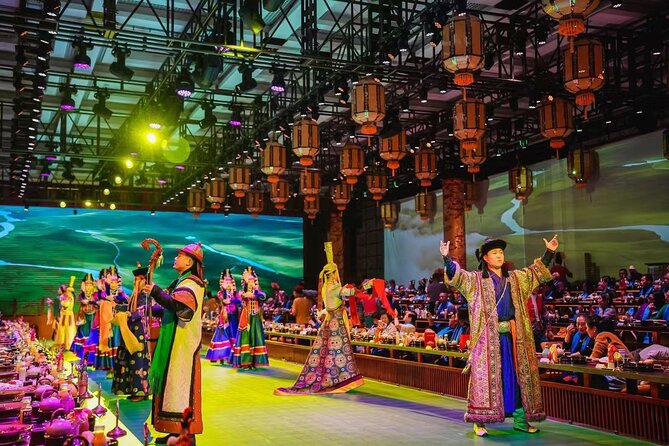
- Watching the 80-minute Qing Dynasty show
- Lunch or dinner: which version fits better?
- How authentic is the royal setting?
- Who will get the most from the $88 price?
- Practical details that can shape your visit
- Should you book Yuxiandu?
- FAQ
- How long does the Yuxiandu Royal Cuisine Museum experience last?
- Is lunch or dinner included?
- Is the Qing Dynasty show included?
- Are English subtitles available?
- Can I dress in Qing Dynasty costumes?
- What time should I arrive for dinner?
- What time should I arrive for lunch?
- Is transportation provided?
- Can I cancel for a refund?
Key points at a glance
- An 80-minute cultural performance accompanies the formal banquet, so the meal is part of a larger stage production.
- Museum entry is included, giving you a short introduction to royal food and court culture before you eat.
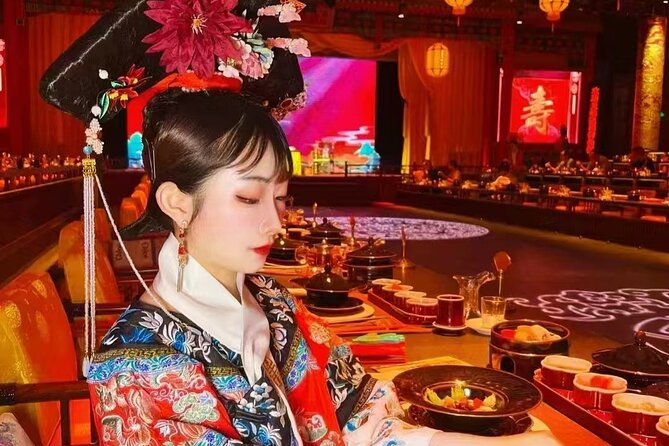
- Qing Dynasty costumes are available for visitors who want photos dressed as an emperor or empress.
- English subtitles appear on the walls, helping you follow the story and songs without a Chinese-language guide.
- First-row seats are worth considering, especially if the show is a major reason for your visit.
- Lunch and dinner follow different schedules, with an earlier ceremonial sequence during the evening program.
What the Yuxiandu experience actually is
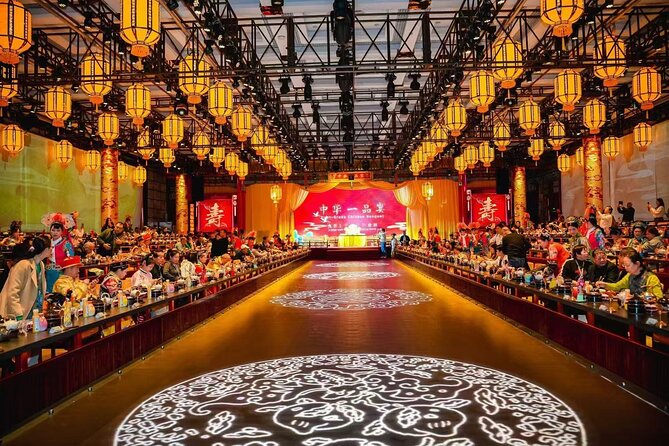
Yuxiandu is part museum, part banquet hall, and part theater. You are not simply ordering dishes from a menu and watching a short stage act after dessert. The visit is arranged as a cultural presentation, with staff guiding you through the museum before directing you to the banquet hall.
The whole visit lasts about two hours. That makes it easy to fit into a busy Beijing schedule, though you need to protect the full time block. The evening version begins with a ceremonial reenactment connected to the imperial court, followed by the banquet and performance.
The setting aims for royal grandeur, but you should approach it as a staged cultural attraction rather than an untouched palace tradition. That is not a criticism. It means you get an accessible, organized introduction to imperial dining, music, costume, and ceremony in one sitting.
For a first visit to Beijing, this format can be useful. You see several parts of Chinese culture without having to arrange separate museum visits, a meal, and a theater ticket.
More museums and exhibitions in Beijing:
- Beijing: Tianmen Square, Forbidden City & Royal Museum Tours
★ 4.6 · 1,288 reviews - Beijing:Jingshan Park (Palace Museum Garden) Ticket
★ 4.5 · 185 reviews - Beijing Half Day: National Museum of China In-depth Tour with Subway Transfer
★ 5.0 · 70 reviews
Arriving before the ceremony begins
The timing matters more than it might seem. For lunch, arrival is scheduled between 11:30 and 11:58, with the formal banquet beginning at noon. For dinner, the suggested arrival window is 6:00 to 6:18, followed by the ceremonial reenactment at 6:18 and the move to the banquet hall at 6:28.
The evening program includes Empress Dowager’s Grand Departure from the Palace. This opening scene gives the night a stronger sense of occasion than simply walking into a dining room. If you arrive after the reenactment, you may still receive the meal and show, but you lose one of the more distinctive parts of the program.
I would aim to arrive at the start of the stated window. That gives you time to check in, look around, and avoid entering while the ceremony is underway. Schedules can shift for special performances or operating needs, so keep a little flexibility in your Beijing plans.
The venue is near public transportation. One useful route mentioned by a visitor used the subway to the end of Line 12 and found the journey easy. Since no pickup service is listed, you should plan to make your own way there.
Touring the museum before dinner
The museum visit comes first. Staff show you around the displays, introducing the royal culinary tradition before you sit down to eat. The available information does not give a gallery-by-gallery account, so you should expect a concise orientation rather than a full-day museum visit.
That short introduction still has value. Imperial food was tied to rank, ceremony, presentation, and control of ingredients. Seeing the museum first gives the banquet a frame of reference. Instead of receiving a succession of unfamiliar dishes with no explanation, you have some idea why the meal is presented as royal cuisine.
This part will suit you if you enjoy context before a performance. If you are looking only for a fast meal, it may feel like an extra step. The attraction works best when you treat the museum, ceremony, food, and show as one program.
The visit also offers Qing Dynasty costume dress-up. You can pose as an emperor or empress, which adds a lighter, more personal element to a formal subject. It may appeal especially to families and anyone who wants a memorable photograph, though it is optional rather than the central feature.
Taking your seat for the royal banquet
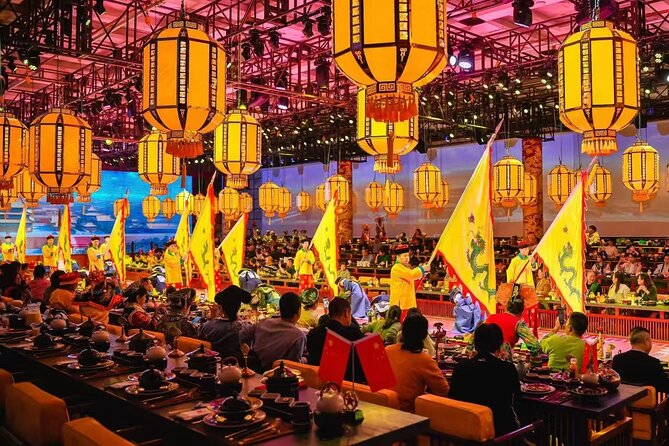
After the museum, you proceed to the banquet hall. The meal is included in the ticket, with lunch or dinner depending on your booking. The dishes are described as carefully prepared versions inspired by ancient imperial recipes.
The supplied details do not provide a complete menu, so I would not book this expecting to choose individual dishes or to receive a tasting menu with a published course list. Think of it as a set banquet tied to the performance.
One especially useful food detail is the positive mention of the soup and dough stick. Those familiar Chinese items may be among the meal’s most approachable parts, especially if you are trying royal cuisine for the first time. Other dishes may feel less familiar, depending on what is served that day.
Dietary communication matters here. A request to replace pork was handled with a separate lamb dish. That suggests you should contact the operator in advance if you need a substitution, but you should not assume every request can be met without notice. Personal expenses are not included, so extras outside the stated meal remain your responsibility.
The food is only one part of the value. At $88 per person, you are paying for the meal, museum admission, ceremonial presentation, and roughly 80 minutes of cultural entertainment. If you would happily pay separately for a Chinese performance and a formal dinner, the package can make sense. If your priority is inexpensive local dining, it is not the economical choice.
A few more Beijing options to compare side by side
- Red Theatre Beijing Acrobatic Show Tickets
★ 4.9 · 461 reviews - Red Theatre Beijing Acrobatic Show Tickets Official Booking
★ 5.0 · 218 reviews - Red Theatre Beijing Acrobatics Show Ticket
★ 5.0 · 141 reviews - Beijing Golden Mask Dynasty Show with Private Transfer
★ 5.0 · 98 reviews
Watching the 80-minute Qing Dynasty show
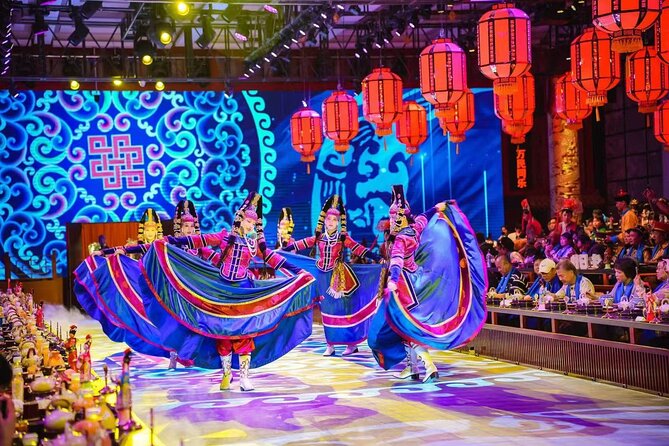
The performance begins with the formal banquet. This arrangement keeps the meal and the cultural program connected, rather than treating the entertainment as a short afterthought.
The content is a Qing Dynasty presentation, with court ceremony and traditional performance elements. Exact acts are not specified, so you should expect a broad cultural show rather than a particular opera, dance, or historical production. The English subtitles on the walls are a valuable practical feature. They let you follow the meaning of the performance even if you do not understand spoken or sung Chinese.
Seat choice can affect the evening. First-row seating is recommended for a clearer view, and that advice is sensible if you care about facial expressions, costumes, or small stage movements. A seat farther back may still work because the program is designed for a hall, but the visual detail will be less immediate.
I would not make the first row essential for everyone. Families with children may value proximity, while visitors mainly interested in the meal and general spectacle may be satisfied with standard seating. If the booking system offers a modest upgrade and the show is your main reason for going, the front row is the sensible splurge.
Because the show lasts 80 minutes, this is not a quick dinner with background music. You will spend a substantial part of the evening watching the stage. That is good news if you want a full cultural presentation, but less appealing if you prefer to linger over conversation.
Lunch or dinner: which version fits better?
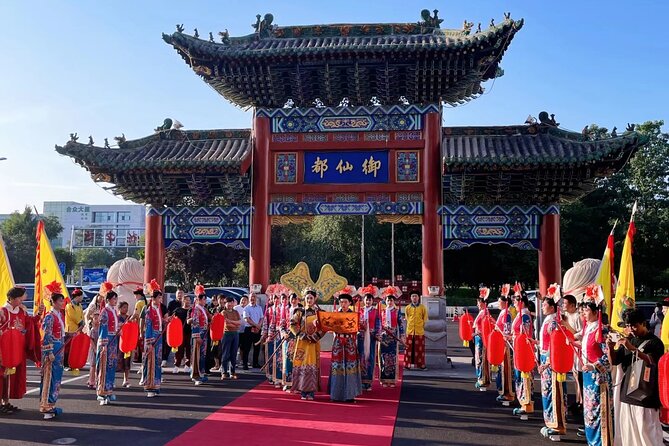
The lunch program is the shorter, more daytime-friendly choice. You arrive before noon, enter the banquet hall, and begin the formal program at noon. This may fit neatly between sightseeing stops, though you should allow time to travel to the museum and return to central Beijing.
Dinner has a more theatrical opening. The Empress Dowager ceremonial reenactment begins before you enter the banquet hall, giving the evening a stronger sense of arrival. You should reach the venue by 6:18 at the latest for the full program, with earlier arrival being wiser.
Choose lunch if you want to preserve your evening for Beijing’s other sights or nightlife. Choose dinner if you like the idea of dressing up, attending a ceremony, and making the banquet your main event for the night.
Both options include the meal and Qing Dynasty show. The difference is mainly the schedule and the added evening procession-style opening.
How authentic is the royal setting?
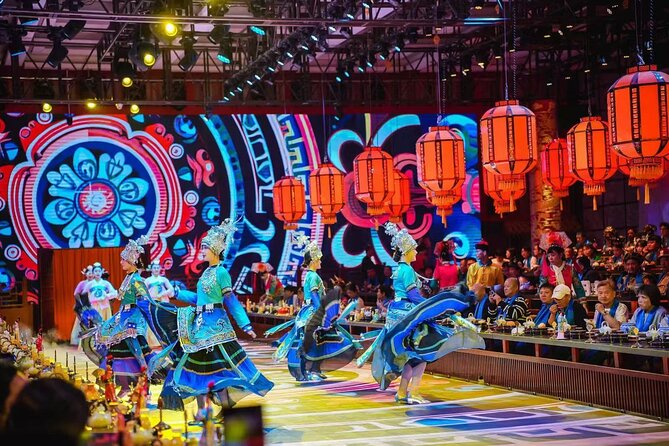
Yuxiandu presents an organized version of imperial culture for a modern audience. The museum, costumes, banquet, and stage show are designed to communicate quickly and clearly. This is not the same as eating in a preserved imperial dining room or attending a private court ritual.
Still, staged does not mean useless. The program brings together details that are difficult to experience in one ordinary restaurant: formal entrance, royal dress, historical themes, ceremonial movement, food presentation, and a long traditional performance.
I would describe it as an accessible introduction, not a specialist study of Chinese culinary history. If you already know Beijing’s opera, court traditions, and imperial cuisine well, some sections may feel familiar or simplified. If you are new to these subjects, the compact format offers a practical starting point.
The English subtitles improve the cultural value. Without them, a visitor might enjoy the costumes and music but miss the story. With them, you can follow the presentation and understand more of what the performers are conveying.
Who will get the most from the $88 price?
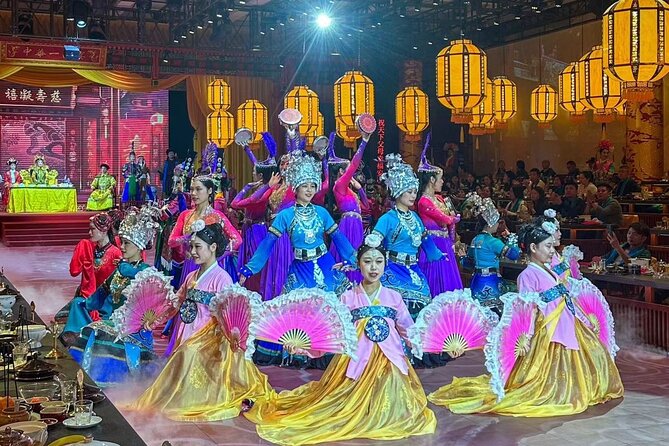
At $88, this is a special-event purchase rather than a bargain meal. The price is easiest to justify when you want several things at once: a museum visit, a formal Chinese banquet, a Qing Dynasty production, and an evening with a clear beginning and end.
I see good value for:
- First-time visitors who want a broad introduction to Chinese food and culture.
- Families looking for an organized activity with costumes and a stage show.
- Couples who want a formal dinner that feels different from an ordinary restaurant.
- Visitors who do not speak Chinese and will benefit from English subtitles.
- Anyone who prefers a prepared cultural program over planning several separate activities.
I see less value if you want street food, a small local restaurant, or a flexible night with no fixed schedule. You may also prefer another option if long performances are not your style.
The strongest parts of the price are the included admission and the length of the show. The weakest part is that you pay for a packaged presentation, so you have less control over the food and evening pace.
Practical details that can shape your visit
A mobile ticket is provided, which keeps check-in simple. Confirmation is received when you book, and most people can take part. The venue is near public transportation, but the information does not list hotel pickup, a private guide, or a named guide.
You should arrive during the stated window, not at the scheduled banquet start. The opening sequence is part of the appeal, especially at dinner. Give yourself enough time to find the entrance and settle in without rushing.
The experience requires good weather and a minimum number of participants. If poor weather or low numbers cause cancellation, you are offered another date or experience, or a full refund.
Free cancellation is available up to 24 hours before the start time. Inside that 24-hour window, changes are not accepted and the payment is not refunded. Beijing plans can shift quickly, so this deadline is worth noting before you commit.
Should you book Yuxiandu?
Book it if you want an easy, all-in-one evening of Chinese food, costumes, ceremony, and performance. The English subtitles, included museum visit, and long show make it particularly useful for first-time visitors who want cultural context without handling several separate bookings.
I would choose the dinner version for the fuller theatrical build-up, and I would arrive early enough to catch the Empress Dowager ceremony. If seating options are available, first row makes sense when the performance matters most to you.
Skip it if your ideal Beijing meal is casual, inexpensive, and independent. Yuxiandu is polished and staged, with a fixed timetable and a set banquet. For the right audience, though, it offers a memorable and practical introduction to royal Chinese culture in about two hours.
FAQ
How long does the Yuxiandu Royal Cuisine Museum experience last?
The experience lasts approximately two hours, including the museum visit, banquet, and cultural performance.
Is lunch or dinner included?
Yes. You can book either lunch or dinner, and the selected meal is included in the experience.
Is the Qing Dynasty show included?
Yes. The package includes a Qing Dynasty royal show with an approximately 80-minute cultural performance.
Are English subtitles available?
Yes. English subtitles are shown on the walls during the entertainment, helping you follow the performance.
Can I dress in Qing Dynasty costumes?
Yes. Costume dress-up as an emperor or empress is available for visitors who want to take part.
What time should I arrive for dinner?
The dinner arrival window is 6:00 to 6:18. The ceremonial reenactment begins at 6:18, so arrive by then for the full program.
What time should I arrive for lunch?
The lunch arrival window is 11:30 to 11:58, with the formal banquet beginning at noon.
Is transportation provided?
Transportation pickup is not listed. The venue is near public transportation, and the subway is one way to reach it.
Can I cancel for a refund?
Yes. You can cancel at least 24 hours before the local start time for a full refund. Cancellations or changes made within 24 hours are not refunded.
Latest additions around Beijing
- Private Hike from Beijing: Go Beyond The Jiankou and Mutianyu Great Wall★ 5.0 · 3 reviews
- Bullet Train Private Tour: Beijing Tiananmen Square, Forbidden City & Great Wall★ 5.0 · 3 reviews
- Private Great Wall Hiking Tour from Simatai West to Jinshanling★ 4.5 · 3 reviews
- Private Transfer for Beijing Airport PEK or PKX★ 5.0 · 3 reviews
- Liyuan Theater Beijing Opera Show Tickets★ 5.0 · 3 reviews
- Private Jinshanling relax photo tour by sunset★ 5.0 · 3 reviews
- Private All-inclusive Jinshanling Great Wall 1-day tour★ 4.5 · 3 reviews
- Beijing Night Tour with Acrobatics Show & PekingDuck Dinner★ 5.0 · 3 reviews
Museums, compared.
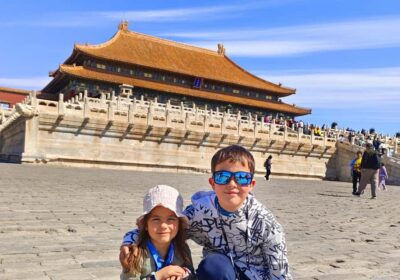
Tianmen Square, Forbidden City & Royal Museum Tours
Read our review →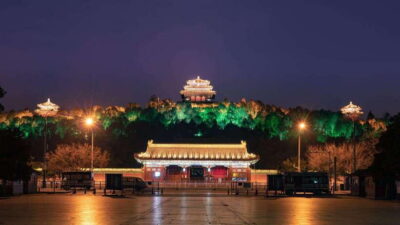
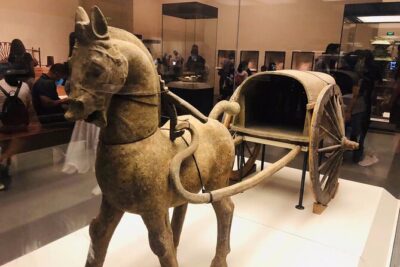
Beijing Half Day: National Museum of China In-depth Tour with Subway Transfer
Read our review →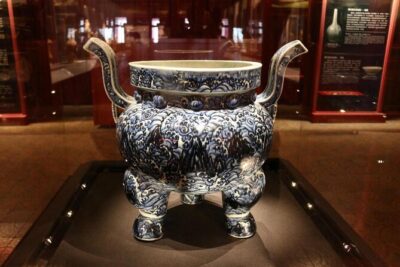
Beijing’s Forbidden City with Special Viewing of Treasure Gallery and the Great Wall Ruins at Badaling
Read our review →
Lama Temple, Confucius Temple and Guozijian Museum
Read our review →
China National Museum Ticket Pre-booking and Tiananmen Square
Read our review →
4-Hour Private Tour: Lama Temple, Confucius Temple, Guozijian Museum with Dim Sum
Read our review →
JingShan park (palace museum garden) entry ticket
Read our review →Browse the lists this tour appears in