
Reviewed · TEA CEREMONY EXPERIENCES
Beijing Tai Chi and Tea Ceremony Experience
The most interesting part of this Beijing experience is the link between Tai Chi and Taoism. You are not simply copying slow movements for an hour. Eric explains relaxation, breathing, body awareness, and the idea of Qi before guiding you through basic forms and self-massage.
I like two things here. First, Eric adjusts the lesson to your experience level, which matters if you are a complete beginner. Second, the tea session with Alice adds a calm, cultural counterpoint, with four to five Chinese teas, three to five snacks, and a hands-on look at Kungfu tea service. The main consideration is the price: at $95 per person, this is not a cheap exercise class, so its value depends on how much you want the private instruction and cultural context.
In This Review
- Key points to know before booking
- Starting with Tai Chi near Qianmen
- What the Tai Chi lesson can teach you
- Moving from practice to Chinese tea
- Why the tea ceremony adds real value
- A private format with a personal feel
- Timing, transport, and the meeting point
- How the $95 price compares in practical terms
- Who will enjoy this morning most
- Booking and cancellation advice
- Should you book the Beijing Tai Chi and Tea Ceremony?
- FAQ
- How long does the Beijing Tai Chi and Tea Ceremony Experience last?
- What time does the activity begin?
- Where does the experience begin?
- Is transportation included?
- How much Tai Chi instruction is included?
- How many teas and snacks are included?
- Can I cancel for a refund?
Key points to know before booking
- Eric teaches for beginners: He checks your experience and adapts the basic Tai Chi lesson to suit your level.
- Alice leads the tea session: Expect tea tasting, Chinese tea culture, quality comparisons, and a Kungfu ceremony.
- The meeting point is central Beijing: Start at Jixiaolan Former Residence near Qianmen at 9:00 a.m.
- You taste four to five teas: The session includes three to five snacks, though it is not presented as a meal.
- The activity lasts about three hours: Roughly one hour is devoted to Tai Chi, with the remaining time focused on tea.
- It is private for your group: You do not share the activity with other booked groups, and group discounts are available.
Starting with Tai Chi near Qianmen
Your morning begins at 9:00 a.m. at Jixiaolan Former Residence, written locally as Ji Xiao Lan Gu Ju, in the Qianmen area of Beijing. The meeting point is near public transportation, but you should still allow time to find the exact entrance. Comfortable walking shoes are a sensible choice, even though the main activity is not a walking tour.
The first hour focuses on Tai Chi and the Taoist ideas behind it. Eric, the English-speaking instructor, begins by checking your experience level. That small step makes a difference. A first-time student needs a slower explanation of stance, relaxation, and movement, while someone familiar with Tai Chi may need less time on the basics.
The instruction covers basic relaxation forms, typical Tai Chi movements, and self-massage methods. You will also hear how Taoist thought connects Tai Chi with health, calm, and a better relationship between body and mind. The language in the program uses traditional concepts such as Qi and Shen. You do not need prior knowledge of either term to take part, but the lesson is more than a fitness routine.
Eric’s approach is described as kind and patient, and he speaks fluent English. That is important in an activity where small physical adjustments and clear explanations matter. You should expect an introductory lesson rather than advanced martial arts training. The goal is to give you a feel for the movements and the thinking behind them.
More tea ceremony sittings:
- Traditional Chinese Tea Ceremony Experience
★ 4.7 · 74 reviews - Beijing Culture: Tea Ceremony, Heritage Instrument & Calligraphy
★ 5.0 · 57 reviews - Chinese Tea ceremony in Beijing Hutong courtyard
★ 4.7 · 26 reviews
What the Tai Chi lesson can teach you
Tai Chi is often presented outside China as a gentle form of exercise. This session gives you a more local cultural frame. The movements are connected to Taoist ideas about relaxed effort, the flow of Qi, and harmony between people and nature.
You will practice being aware of your mind, eyes, and body at the same time. That may sound abstract on paper, but slow movement makes the idea easier to understand. You have to pay attention to posture and motion without forcing either one. For many beginners, that is the real lesson.
The self-massage portion gives the hour a practical edge. You are not only learning a sequence to repeat later. You also receive methods linked to relaxation and everyday well-being. The program presents Tai Chi as a way to support health and steady thinking, not as a substitute for medical treatment.
I like that the session does not assume you already know what you are doing. The instructor’s adjustment to your level keeps the class approachable. Still, you should not book this expecting a full study of Taoism or a long-term training course. Three hours can introduce the subject, but mastery comes with regular practice.
Moving from practice to Chinese tea
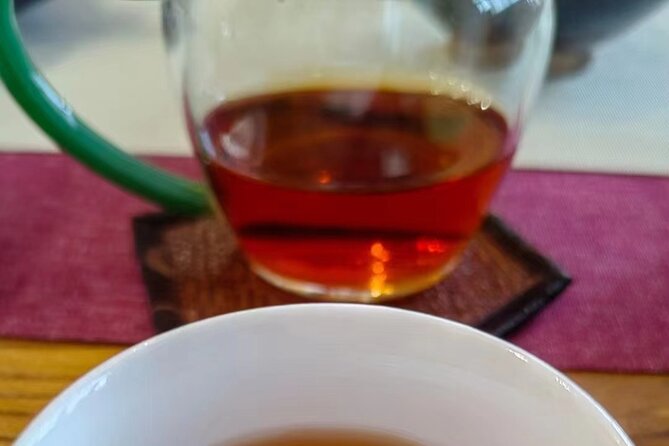
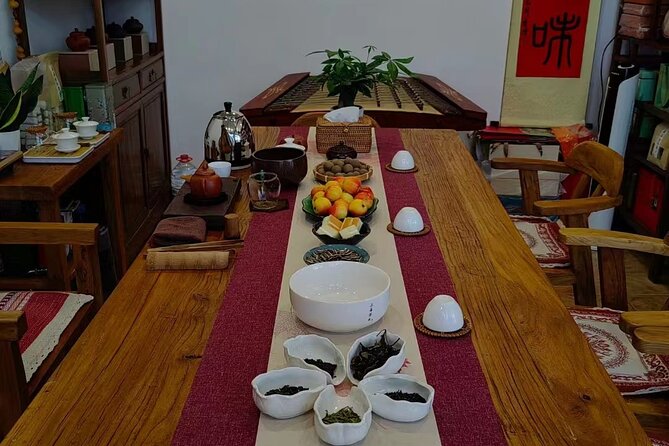
After Tai Chi, the experience shifts to a tea house, where Alice leads the second part. The change of pace is one of the strongest features of the morning. Tai Chi asks you to move slowly and pay attention to your body. Tea asks you to slow down in a different way, through taste, scent, preparation, and conversation.
You taste four to five types of Chinese tea. The exact teas are not specified, so the selection may vary. Alice helps you tell different tea qualities apart, rather than simply handing you cups and naming them. That makes the tasting useful if you plan to buy tea later in your Beijing visit.
The tea session also includes three to five snacks. These are part of the tasting experience, but food is listed as not included, so you should not treat the snacks as lunch. If you need a substantial meal after the activity, plan to eat separately.
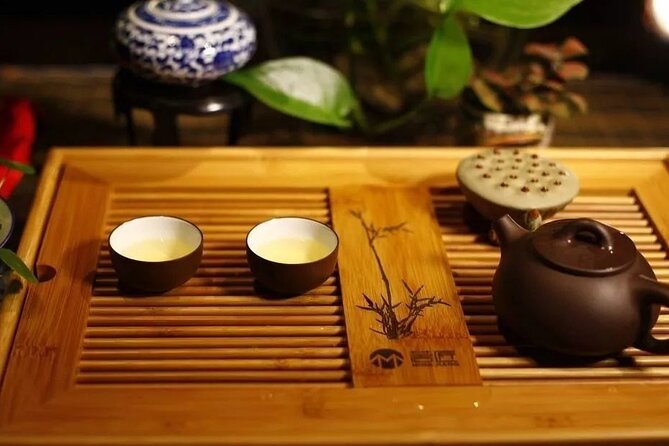
Alice also demonstrates a Kungfu tea ceremony. In this setting, Kungfu tea refers to a careful style of preparation and serving, not a martial arts performance. Small details of brewing, pouring, and tasting become part of the ceremony. The pace encourages quiet attention, which fits the program’s wider focus on meditation and self-reflection.
Why the tea ceremony adds real value
Tea is presented here as more than a daily drink. The experience connects tea with Taoist practice, moral conduct, and a stable temperament. You do not have to accept every traditional health claim to appreciate the cultural role of tea in China.
The tea house gives you a chance to ask questions in a setting built around conversation. Alice explains tea history and culture, along with the science of tea. That combination is useful. Cultural background tells you why tea matters, while the practical tasting helps you notice what is in the cup.
The ceremony also gives you a better sense of how tea can shape social time. In China, tea is not always consumed quickly between errands. It can mark hospitality, reflection, and shared attention. This experience makes that idea tangible without requiring a long formal ceremony.
The balance between four or five teas and a handful of snacks sounds about right for a three-hour morning. You receive variety, but not so much that the tasting becomes a rushed parade of cups. If you are sensitive to caffeine, keep the number of servings in mind and ask questions during the session.
More tai chi mornings:
- Beijing Private Tai Chi Class
★ 5.0 · 16 reviews - Beijing Private Tai Chi Class
★ 5.0 · 10 reviews - Beijing: Temple Of Heaven+Tai Chi Class+Tea Ceremony
★ 5.0 · 8 reviews - Temple of Heaven and Tai Chi Tour
★ 5.0 · 5 reviews
A private format with a personal feel
This is a private activity, meaning only your group takes part. That is a major difference from a large introductory class. You have more room to ask Eric to repeat a movement, tell Alice which tea interests you, or spend more time on a subject that catches your attention.
The private format also explains part of the $95 price. You are paying for an English-speaking Tai Chi instructor, a tea master, two connected cultural sessions, and instruction designed around your group. It is not the best value if you only want a cheap hour of exercise or a quick cup of tea.
It makes better sense for someone who wants a structured introduction to two Chinese traditions in one morning. Couples, families, and small groups can share the experience without being placed with strangers. Group discounts may improve the price for larger bookings, though the amount of the discount is not provided.
The tone also appears personal rather than theatrical. Eric is described as humble, patient, and attentive to ability. Alice is described as warm and especially strong at explaining tea history, culture, and science. Those personal qualities matter because both activities depend on instruction and conversation, not on sightseeing alone.
Timing, transport, and the meeting point
The activity starts at 9:00 a.m. and lasts about three hours, returning to the meeting point at the end. A morning start works well for Tai Chi. You begin before a full day of sightseeing, and the session’s slow pace can help you settle into Beijing time if you have recently arrived.
Jixiaolan Former Residence is in the Qianmen area of Beijing and is near public transportation. The listing does not include private transport, so you must make your own way to the start. Build in extra time for Beijing traffic, station exits, and the possibility that the meeting point may be easier to recognize by its Chinese name.
The experience includes mobile ticketing, and booking confirmation is provided at the time of booking. Keep the meeting details available on your phone, especially if you are using a taxi or asking for directions.
Wear comfortable walking shoes and clothing that allows free movement. The provided information does not specify a dress code or changing facilities, so avoid restrictive clothes. You should also arrive ready to move, rather than treating the first hour as a lecture.
How the $95 price compares in practical terms
At $95 per person, this is a premium morning activity. The price includes tea and all fees and taxes, but food and private transportation are not included. The snacks served during the tea tasting should be viewed as part of the session, not as a separate meal.
The value improves if you care about instruction in English and want a private group setting. A standard group class may cost less, but it may not adjust to your ability or give you as much time to ask questions. A separate tea tasting could also be cheaper, but it would not give you the Tai Chi lesson and Taoist context.
The value is weaker if your main aim is a famous Beijing sight. This activity does not include an admission visit to the Temple of Heaven or another major monument. One review title connects the experience with a visit to the Temple of Heaven, but you should not assume that sightseeing stop is part of the three-hour program.
Think of the price as payment for guided cultural contact, not transport or sightseeing coverage. If you want a quiet, personal introduction to Tai Chi and tea, the cost can make sense. If you are counting every yuan or need a full meal and city transfers included, you may find it harder to justify.
Who will enjoy this morning most
I would recommend the activity to first-time visitors who want something more personal than a standard Beijing sightseeing route. It suits you if you enjoy learning by doing, have an interest in traditional Chinese culture, or want a calm start to a busy city visit.
It is also a good fit for beginners. Eric’s habit of checking experience level means you do not need to arrive with Tai Chi knowledge. The lesson includes basic movements and relaxation work, not just a demonstration for people who already practice.
Tea enthusiasts will get the most from the second half. You can taste several varieties, compare quality, learn about Chinese tea, and watch a formal preparation style. If you already know a great deal about Chinese tea, the introductory level may feel familiar, but the chance to ask Alice questions still gives the session value.
You may want to skip it if your schedule is extremely tight, you dislike slow activities, or you want a physically demanding workout. The Tai Chi section is gentle and reflective. The tea section is deliberately unhurried. That is the point, but it will not suit every morning.
Booking and cancellation advice
This experience is booked, on average, 22 days ahead, so reserve early if your Beijing dates are fixed. Confirmation arrives when you book, and the activity accepts mobile tickets.
You can cancel for a full refund up to 24 hours before the local start time. Cancellations or changes made less than 24 hours before the experience are not accepted for a refund. Keep the deadline in mind if your China itinerary may shift.
Should you book the Beijing Tai Chi and Tea Ceremony?
Book this experience if you want a private, English-language introduction to two parts of Chinese daily and spiritual culture. Eric’s beginner-friendly Tai Chi instruction and Alice’s tea ceremony create a thoughtful pairing, and the morning offers more personal contact than a standard sightseeing stop.
Skip it if you want major attractions, private transportation, or a full meal included in the price. At $95, the activity needs to match your interests. For the right visitor, it offers a useful lesson in movement, attention, tea, and Taoist ideas, all within a manageable three-hour visit.
FAQ
How long does the Beijing Tai Chi and Tea Ceremony Experience last?
The experience lasts approximately three hours.
What time does the activity begin?
It starts at 9:00 a.m.
Where does the experience begin?
You meet at Jixiaolan Former Residence, also written as Ji Xiao Lan Gu Ju, in the Qianmen area of Xicheng District, Beijing.
Is transportation included?
Private transportation is not included. The meeting point is near public transportation, and the activity ends back at the meeting point.
How much Tai Chi instruction is included?
The Tai Chi portion lasts one hour and covers Taoist ideas, relaxation forms, typical Tai Chi movements, and self-massage methods.
How many teas and snacks are included?
You taste four to five types of Chinese tea and receive three to five snacks during the tea house session. Food is otherwise listed as not included.
Can I cancel for a refund?
Yes. You can cancel at least 24 hours before the local start time for a full refund. Cancellations or changes made less than 24 hours before the start time are not accepted for a refund.
Latest additions around Beijing
- Private Hike from Beijing: Go Beyond The Jiankou and Mutianyu Great Wall★ 5.0 · 3 reviews
- Bullet Train Private Tour: Beijing Tiananmen Square, Forbidden City & Great Wall★ 5.0 · 3 reviews
- Private Great Wall Hiking Tour from Simatai West to Jinshanling★ 4.5 · 3 reviews
- Private Transfer for Beijing Airport PEK or PKX★ 5.0 · 3 reviews
- Liyuan Theater Beijing Opera Show Tickets★ 5.0 · 3 reviews
- Private Jinshanling relax photo tour by sunset★ 5.0 · 3 reviews
- Private All-inclusive Jinshanling Great Wall 1-day tour★ 4.5 · 3 reviews
- Beijing Night Tour with Acrobatics Show & PekingDuck Dinner★ 5.0 · 3 reviews
Tea Ceremony Experiences, compared.
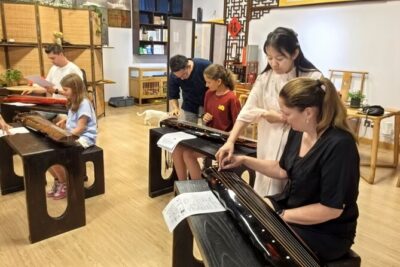
Beijing Culture: Tea Ceremony, Heritage Instrument & Calligraphy
Read our review →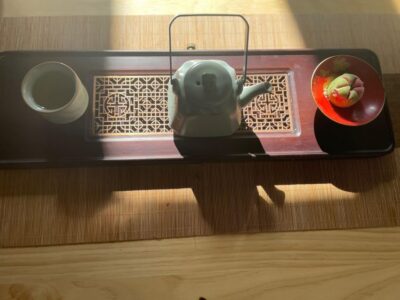
Chinese Tea ceremony in Beijing Hutong courtyard
Read our review →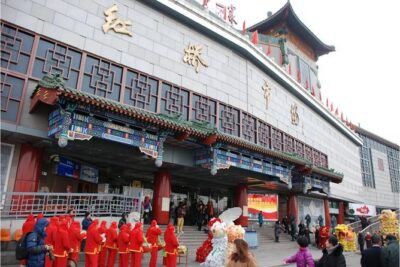
Private Beijing Markets Tour with Tea Tasting at Hongqiao Pearl Market
Read our review →
3-hour Morning/Afternoon Tea Tasting on Maliandao Street & Dimsum
Read our review →Browse the lists this tour appears in