
Reviewed · TEA CEREMONY EXPERIENCES
Traditional Chinese Tea Ceremony Experience
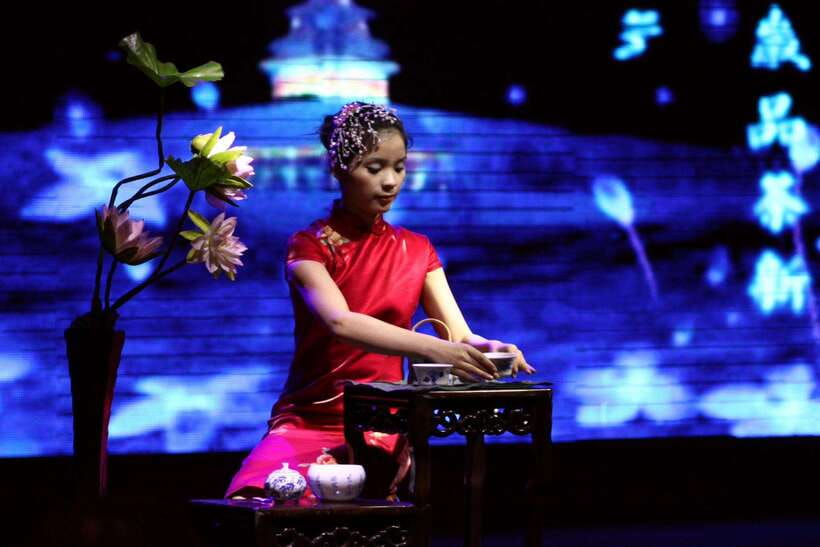
China’s tea culture is best understood with a cup in front of you. This short Beijing experience turns tea drinking into a small ritual, with a tea master showing you how each step matters, from warming the teapot to pouring the finished tea. You taste several styles, including green, jasmine, flower, Oolong, and Pu-erh tea.
I like the low price and short format, which make this easy to fit between major Beijing sights. I also like the personal welcome from the tea team, with Richard and the tea master noted for being friendly and well versed in the subject. The main drawback is its length: 30 minutes gives you a pleasant introduction, not a full lesson in Chinese tea culture.
In This Review
- Key Points at a Glance
- Why This Short Ceremony Is Worth Your Time
- Meeting at Jian Nei Avenue
- What Happens During the 30-Minute Ceremony
- Learning the Proper Way to Enjoy Tea
- The People Who Welcome You
- Optional Tea Shopping Afterward
- How the Price Compares With the Experience
- Who Should Book This Experience
- Practical Details Before You Go
- Should You Book the Beijing Tea Ceremony?
- FAQ
- How long does the traditional Chinese tea ceremony last?
- What is included in the price?
- Which types of tea might I taste?
- Is a tour guide included?
- Where does the activity begin?
- Where does the activity end?
- Can I buy tea after the ceremony?
- What is the cancellation policy?
Key Points at a Glance
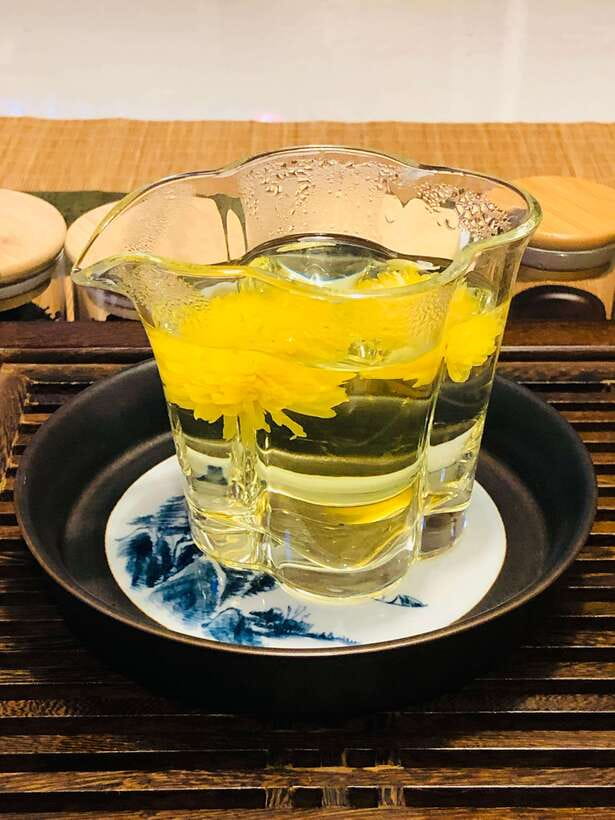
- Five mini cups included: Taste several tea styles rather than committing to one large serving.
- A 30-minute cultural stop: This works well before or after nearby sightseeing.
- Ceremony, not just sampling: Watch the careful brewing process and learn the proper way to enjoy tea.
- Near Chang An Grand Theater: The activity begins on Jian Nei Avenue in central Beijing.
- Suitable for adults and children: The experience is designed to be fun and interesting for both.
- Tea shopping is optional: You can buy tea afterward, but purchases are not part of the $9.90 price.
Why This Short Ceremony Is Worth Your Time
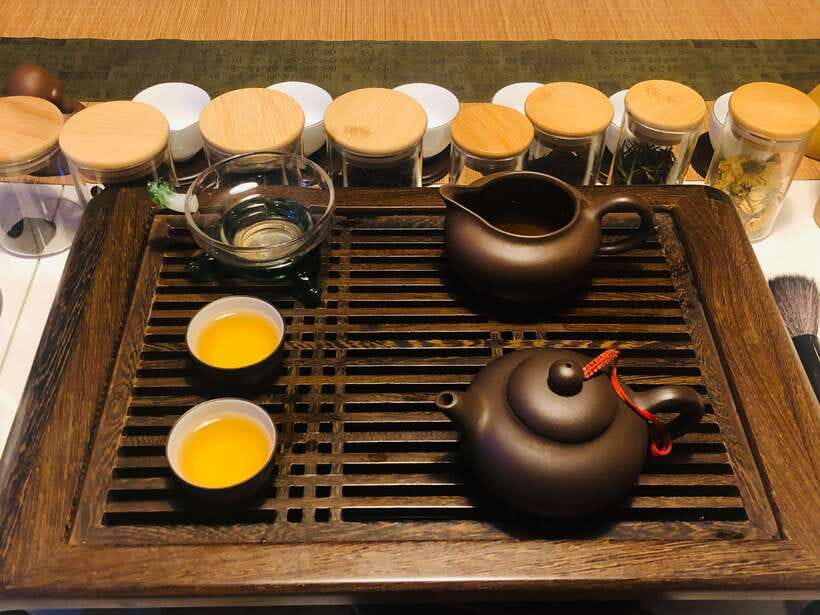
At $9.90 per person, this is an affordable way to add a focused cultural activity to a Beijing day. You are not paying for a long guided excursion or transportation across the city. You are paying for a brief introduction to an important part of Chinese life, with tea prepared and served in a deliberate way.
That distinction matters. A standard cup of tea can disappear in a minute. In a ceremony, you are asked to notice the process. The tea master warms the teapot, prepares the leaves, pours the tea, and presents it in small cups. Sight, smell, and taste all become part of the experience.
I see this as a good choice if you want something more meaningful than a quick drink, but less demanding than a lengthy class. It can also give you a quiet pause in the middle of a busy Beijing sightseeing schedule.
The experience does not include a general tour guide. The tea master leads the ceremony, and the information provided names Richard as part of the welcoming team. If you want detailed historical commentary about Beijing, the city’s major dynasties, or the surrounding area, this is not the right activity. Its subject is tea.
More tea ceremony sittings:
- Traditional Chinese Tea Ceremony Experience
★ 4.7 · 74 reviews - Beijing Culture: Tea Ceremony, Heritage Instrument & Calligraphy
★ 5.0 · 57 reviews - Chinese Tea ceremony in Beijing Hutong courtyard
★ 4.7 · 26 reviews
Meeting at Jian Nei Avenue
The starting point is listed as Jiannei Avenue, also written as Jian Nei Da Jie, in Dong Cheng District. The activity’s listed stop is Chang An Grand Theater, and the location is near public transportation.
You should allow a little extra time to find the exact meeting point. The supplied details identify the street and theater but do not provide a precise shop number, building entrance, or detailed arrival instructions. Keep the mobile ticket available on your phone, and check the meeting information carefully before setting out.
The central location is useful because you can pair this ceremony with other plans in Beijing. It is a particularly practical stop for anyone already sightseeing in the area. Since the ceremony lasts about 30 minutes, you do not need to set aside half a morning.
The group may include up to 15 people. That is small enough for the tea master to demonstrate the process clearly, although it is not a private lesson. If the group reaches its maximum size, your ability to ask individual questions may be more limited than in a one-to-one session.
What Happens During the 30-Minute Ceremony
A friendly tea master greets you when you arrive. The session then focuses on the art of brewing and appreciating tea, rather than simply handing you a drink and moving on.
The tea master demonstrates each stage with care. You may see the teapot warmed before the leaves are prepared, followed by measured pouring into the small cups. These actions are part of the ritual. They express ideas linked to respect, harmony, and mindfulness, which gives the tasting a cultural setting.
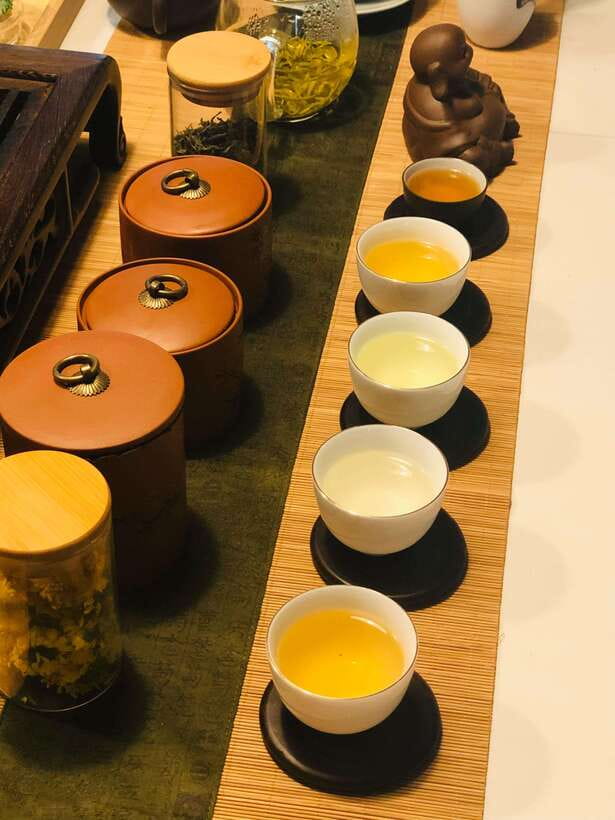
You are served five mini cups of tea. The selection can include:
- Green tea
- Jasmine tea
- Flower tea
- Oolong tea
- Pu-erh tea
The information does not specify that every one of these varieties appears in every session, so think of them as the types you may taste. The five mini cups let you compare different aromas, colors, textures, and finishes without leaving you with several full pots of tea.
The small portions are a practical choice. Tea preferences can be personal, and a tasting format lets you sample unfamiliar varieties without buying a large quantity. It also keeps the activity moving within its 30-minute schedule.
Pay attention to the differences between the teas. Green tea may offer a lighter and fresher profile, while Pu-erh is often chosen by people who prefer a stronger, more earthy style. Jasmine and flower teas bring scent into the experience, and Oolong sits between lighter and darker tea styles. The ceremony is not presented as a technical tasting course, so you should expect an accessible introduction rather than formal instruction in tea grading.
Learning the Proper Way to Enjoy Tea
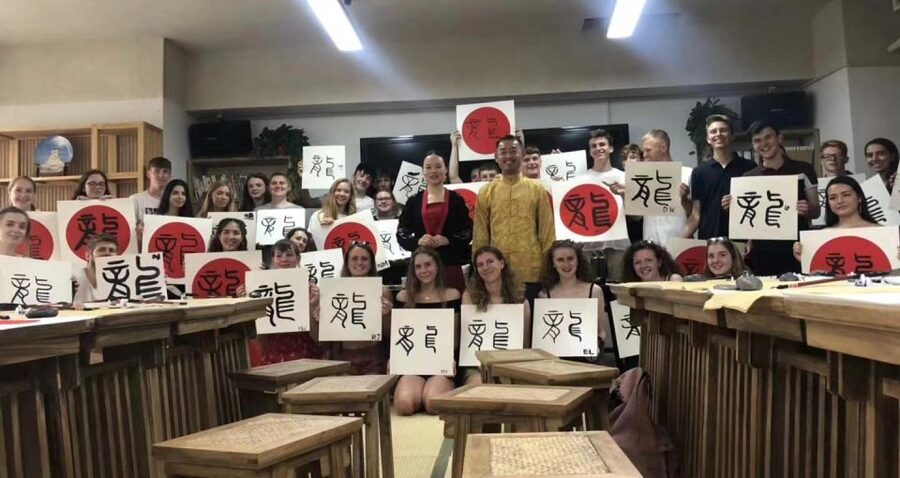
The most valuable part of this activity is the shift in attention. You are encouraged to look at the tea, smell it, taste it, and notice how it is poured. That simple process helps you understand why tea has such a strong place in Chinese culture.
The ceremony also gives you a chance to learn basic manners around tea. The emphasis is on intention and appreciation, not speed. You do not need prior knowledge, and the experience is designed for adults and children alike.
For children, the small cups and visual preparation may make the ceremony easier to follow than a long cultural lecture. Parents should still remember that this is a quiet ritual. Children who enjoy watching a process and trying different flavors are likely to get more from it than children looking for an active attraction.
For adults, the value comes from context. You are not only tasting tea. You are seeing how a familiar drink can carry social meaning. The ceremony offers a compact way to connect a daily beverage with ideas of respect, balance, and calm.
The available information does not promise a formal printed lesson, language class, or take-home materials. If you want a detailed guide to tea production in each Chinese region, you may find this session too brief. Its strength is the direct demonstration.
Swap the crowds for a different corner of Beijing:
- From Beijing: Mutianyu Great Wall Tours with Options
★ 4.9 · 9,216 reviews - Beijing: Forbidden City Tour(Group/Private)-Tickets Included
★ 4.8 · 7,974 reviews - Beijing: T-Square & Forbidden City Group or Private Tour
★ 4.8 · 4,446 reviews - Beijing: Mutianyu Great Wall Daily Tour with Ticket & Lunch
★ 5.0 · 3,056 reviews
The People Who Welcome You
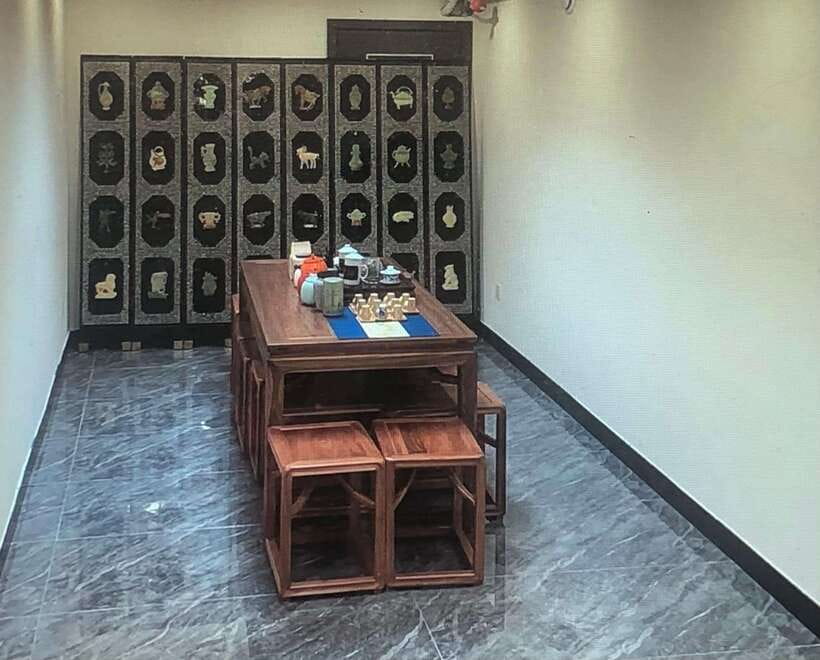
The tea master is the central host and performs the brewing demonstration. The information also names Richard, who is described as part of the welcoming team. Both are presented as friendly and well versed in the subject.
That personal contact matters in a short activity. You have only half an hour, so a warm greeting and a clear demonstration help the session feel organized rather than rushed. The tea master manager is also expected to walk you back to the meeting point or Jianguomen Subway station after the ceremony.
Do not confuse this with a fully guided Beijing tour. There is no general tour guide included. The staff’s role is tied to the tea ceremony and the walk back afterward, not to guiding you through nearby landmarks.
The maximum group size is 15 people. This keeps the format more contained than a large sightseeing group, while still allowing the operator to run several bookings efficiently. If you want a private conversation about tea, confirm whether a private option exists before booking, since the supplied details do not promise one.
Optional Tea Shopping Afterward
After the ceremony, you have the option to purchase tea to take home. This can be useful if you discover a style you enjoy and want to share it with family or friends.
Shopping is entirely at your own expense. Tea purchases are not included in the $9.90 price, and the activity does not state that you must buy anything. That is worth keeping in mind because a tasting can naturally lead to a sales conversation.
I recommend treating the shopping as optional, not as part of the core value. Enjoy the five-cup tasting first, decide what you actually like, and only then consider buying. The ceremony should still make sense for you even if you leave without a package of tea.
The supplied details do not give prices, package sizes, brands, or shipping arrangements. Ask about those points before paying for anything, especially if you are buying gifts or need tea sent home.
How the Price Compares With the Experience
At $9.90, the price is modest for a hosted cultural activity in Beijing. The cost includes the ceremony and five mini cups of tea. It does not include a general guide, shopping, or other expenses.
The value is strongest when you want a short, structured introduction. You get a host, several tea samples, a demonstration of brewing technique, and cultural explanation without committing to a longer class. The mobile ticket also keeps the booking simple.
The price is less compelling if you expect a long tasting, a full meal, transportation, or a private guide. None of those are included. You are buying a compact experience, not a half-day tea tour.
Because the average booking is made 33 days ahead, it is sensible to reserve early if this activity is important to your schedule. That booking pattern does not guarantee that every date sells out, but it suggests that many people plan it well before arriving in Beijing.
Who Should Book This Experience
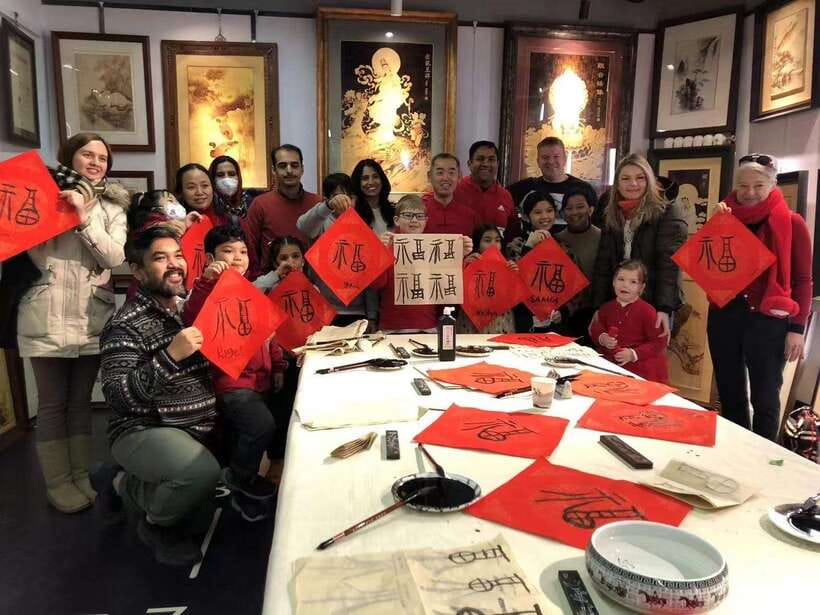
I would recommend this ceremony to several kinds of visitors:
- First-time visitors who want a small cultural activity between major sights
- Families looking for an experience that can hold a child’s attention for 30 minutes
- Tea drinkers who want to compare several Chinese styles
- Visitors with limited time who cannot fit a longer class into the day
- Anyone looking for an inexpensive, hosted introduction to Chinese tea customs
It also suits people who prefer a calm indoor activity. The ceremony asks you to slow down and observe, which can be a welcome change from busy city sightseeing.
You may want to skip it if you dislike tasting unfamiliar drinks, have no interest in the preparation ritual, or expect extensive background about Beijing. The session is short, and the tea master’s focus remains on brewing and appreciation.
Practical Details Before You Go
You receive confirmation at the time of booking, and the experience uses a mobile ticket. Keep your phone charged and make sure you can open the ticket when you arrive.
The meeting point is on Jian Nei Avenue near Chang An Grand Theater. The activity ends back at the meeting point, with the tea master manager also able to walk you to Jianguomen Subway station. Since the precise entrance is not supplied, allow time to identify the correct location.
Most people can participate, and the activity is near public transportation. No special physical requirements are listed. The group can have up to 15 participants.
Free cancellation is available if you cancel at least 24 hours before the local start time. A cancellation within 24 hours is not refunded, and changes inside that window are not accepted. If your Beijing schedule is still uncertain, keep that deadline in mind.
Should You Book the Beijing Tea Ceremony?
Book it if you want a low-cost, 30-minute introduction to Chinese tea culture with five small tastings and a hands-on demonstration from a tea master. The friendly welcome from Richard and the tea team adds a personal touch, while the central location and subway access make it easy to fit into a wider itinerary.
Do not book it expecting a full guided tour, a private class, or an extended tea education. You will not receive general sightseeing guidance, and any tea you buy afterward costs extra.
For the right visitor, this is a simple and worthwhile pause in Beijing: short, affordable, and focused on something China has shared with the world for centuries.
FAQ
How long does the traditional Chinese tea ceremony last?
The ceremony lasts approximately 30 minutes.
What is included in the price?
The price includes the tea ceremony and five mini cups of tea.
Which types of tea might I taste?
The ceremony may include Oolong, Pu-erh, green tea, jasmine tea, and flower tea.
Is a tour guide included?
No. A general tour guide is not included. The tea master leads the ceremony.
Where does the activity begin?
It begins on Jiannei Avenue, also written as Jian Nei Da Jie, in Beijing’s Dong Cheng District. The listed stop is Chang An Grand Theater.
Where does the activity end?
The activity ends back at the meeting point. The tea master manager may also walk you to Jianguomen Subway station.
Can I buy tea after the ceremony?
Yes. You may purchase tea afterward, but shopping is optional and any purchases are at your own expense.
What is the cancellation policy?
You can receive a full refund by canceling at least 24 hours before the local start time. Cancellations or changes made within 24 hours are not accepted, and the payment is not refunded.
Latest additions around Beijing
- Private Hike from Beijing: Go Beyond The Jiankou and Mutianyu Great Wall★ 5.0 · 3 reviews
- Bullet Train Private Tour: Beijing Tiananmen Square, Forbidden City & Great Wall★ 5.0 · 3 reviews
- Private Great Wall Hiking Tour from Simatai West to Jinshanling★ 4.5 · 3 reviews
- Private Transfer for Beijing Airport PEK or PKX★ 5.0 · 3 reviews
- Liyuan Theater Beijing Opera Show Tickets★ 5.0 · 3 reviews
- Private Jinshanling relax photo tour by sunset★ 5.0 · 3 reviews
- Private All-inclusive Jinshanling Great Wall 1-day tour★ 4.5 · 3 reviews
- Beijing: Private Tour to Great Wall & POPLand Labubu Home★ 4.6 · 3 reviews
Tea Ceremony Experiences, compared.
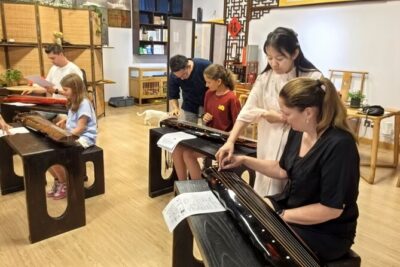
Beijing Culture: Tea Ceremony, Heritage Instrument & Calligraphy
Read our review →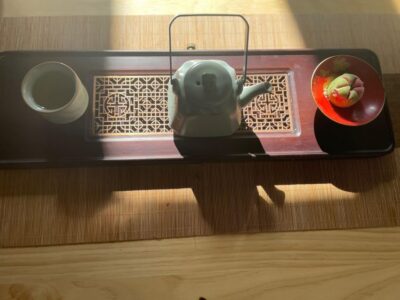
Chinese Tea ceremony in Beijing Hutong courtyard
Read our review →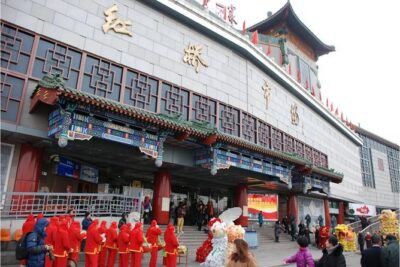
Private Beijing Markets Tour with Tea Tasting at Hongqiao Pearl Market
Read our review →
3-hour Morning/Afternoon Tea Tasting on Maliandao Street & Dimsum
Read our review →
Browse the lists this tour appears in