
Reviewed · TEA CEREMONY EXPERIENCES
Traditional Chinese Tea Ceremony Experience
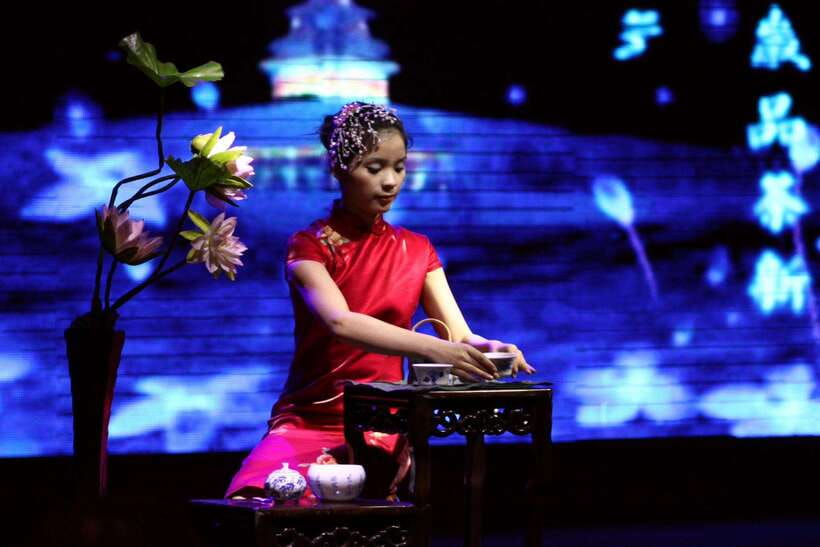
China’s tea culture is best understood at the table, one careful pour at a time. This Beijing ceremony shows you why tea is more than a drink: warming the pot, smelling the leaves, choosing the water temperature, and timing each steep all carry meaning. You taste several styles while a tea master explains the customs behind them.
I like the hands-on tasting and the clear English instruction, especially when hosts such as Richard or Feye lead the session. I also like the low price: at $9, this is an easy way to add a cultural activity after sightseeing. The main consideration is that there is no transportation or tour guide included, and the meeting point can change with the option you choose.
In This Review
- Key points to know before you book
- Why a tea ceremony belongs on your Beijing schedule
- Meeting the tea master and settling into the ritual
- Five teas, five different ways to taste China
- Green tea
- Oolong tea
- Pu-erh tea
- Jasmine tea
- Flower tea
- The technique matters as much as the flavor
- How long should you allow?
- What the $9 price really gets you
- English help and the human side of the experience
- Who will enjoy this most?
- Practical booking advice for a smoother visit
- Should you book this Beijing tea ceremony?
- FAQ
- How much does the traditional Chinese tea ceremony cost?
- How long does the tea ceremony last?
- How many teas are included?
- Is a tour guide included?
- Is the activity available in English?
- Can I buy tea afterward?
- Is transportation provided?
- Who cannot take part in the ceremony?
Key points to know before you book
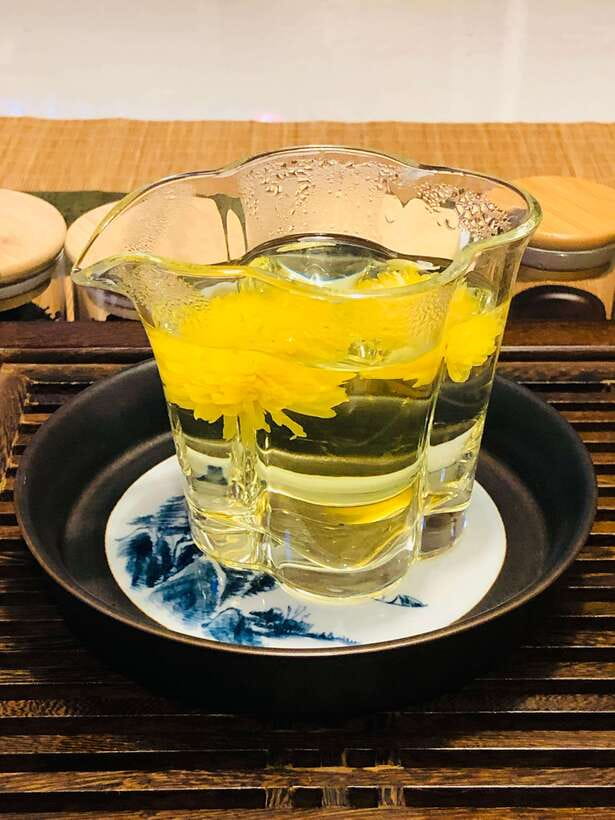
- Five mini cups of tea: Taste a selection that can include Oolong, Pu-erh, green, jasmine, and flower tea.
- A lesson in technique: Learn how water temperature, steeping time, scent, and pouring affect the final cup.
- English-speaking instruction: The tea master or host provides explanations in English, with named hosts including Richard and Feye on some bookings.
- Flexible length: The activity may last from 30 minutes to three hours, depending on the option and availability.
- A good-value Beijing stop: At $9 per person, it costs less than many formal cultural activities.
- Shopping is optional: You may buy tea afterward, but purchases are not part of the price.
Why a tea ceremony belongs on your Beijing schedule
Beijing can fill your day with imperial sights, old lanes, grand gates, and long walks. A tea ceremony gives you a quieter hour in which to understand a part of daily Chinese culture that is easy to miss while rushing between monuments.
The point is not simply to sample five teas. The tea master shows you how Chinese tea is prepared and appreciated. You watch the pot being warmed, inspect the leaves, smell them before brewing, and notice how the flavor changes with temperature and steeping time.
That attention to small steps is the heart of the session. Tea becomes a social ritual built around respect, harmony, and focus. You are not expected to arrive with any previous knowledge. The process is explained as you go, and you can ask questions in English.
I especially like the contrast with a standard sightseeing stop. At the Forbidden City, you look at objects and buildings from the past. Here, you take part in a living custom. The ceremony is small in scale, but it gives you a more personal connection to Chinese culture.
The activity also works well as a break after a major attraction. One booking was used as an afternoon stop after the Forbidden City, which makes sense. After several hours of walking through Beijing’s imperial center, sitting down with tea can reset your pace.
More tea ceremony sittings:
- Beijing Culture: Tea Ceremony, Heritage Instrument & Calligraphy
★ 5.0 · 57 reviews - Chinese Tea ceremony in Beijing Hutong courtyard
★ 4.7 · 26 reviews - Private Beijing Markets Tour with Tea Tasting at Hongqiao Pearl Market
★ 5.0 · 18 reviews
Meeting the tea master and settling into the ritual
Your meeting point depends on the option you book, so check the exact details before setting out. Transportation is not included, and this is not a sightseeing tour with a guide escorting you around Beijing. You make your own way to the designated point.
A tea master or host greets you and begins by setting the tone of the ceremony. The welcome is friendly and practical. English is available, and named hosts such as Richard Li and Feye have been praised for speaking clearly and explaining the process in detail.
Do not expect a large stage show. The appeal is the close view of the tea-making process. You sit near the table, watch the movements, and take part through tasting and discussion. Depending on your booking, a host may also help with directions, photographs, or the walk back to the meeting point.
The ceremony is most enjoyable when you slow down. Put away the instinct to gulp a drink and move on. Look at the leaves, smell the first infusion, and pay attention to the difference between the first and later pours.
Some sessions may also include related cultural activities such as calligraphy or food experiences. Those extras appear to be part of certain bookings rather than a guaranteed feature of this tea-only activity, so check your selected option carefully.
Five teas, five different ways to taste China
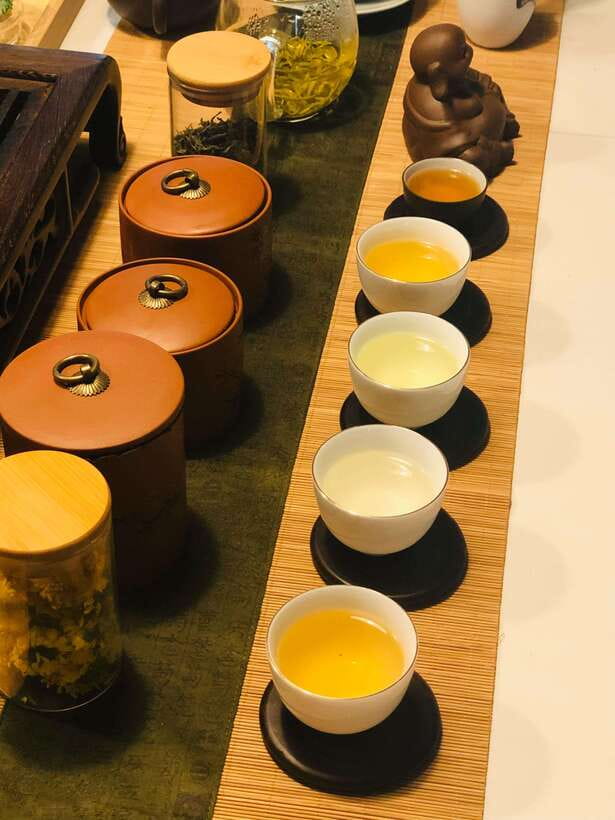
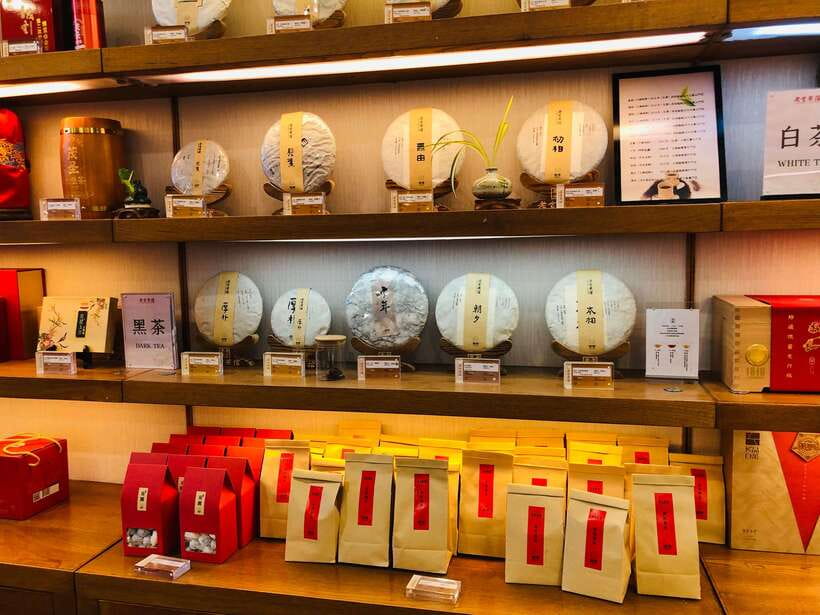
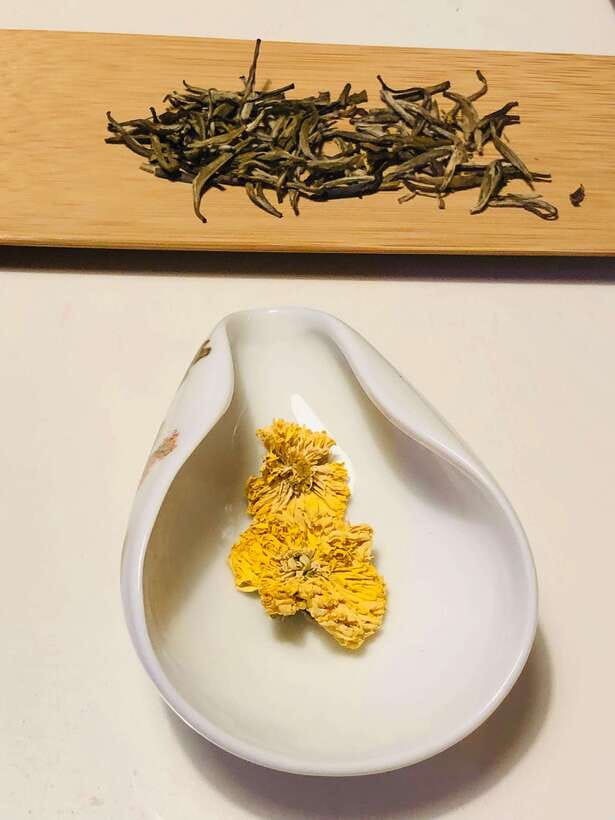
The included offering is five mini cups of tea. The precise selection can vary, but the experience may include Oolong, Pu-erh, green tea, jasmine tea, and flower tea.
Green tea
Green tea is usually associated with a clean, fresh taste. The ceremony gives you a chance to see why water temperature matters. Water that is too hot can overwhelm delicate leaves, while careful brewing helps preserve their lighter character.
You do not need to identify every flavor perfectly. The useful lesson is to compare how the tea smells before brewing and how it tastes afterward.
Swap the crowds for a different corner of Beijing:
- From Beijing: Mutianyu Great Wall Tours with Options
★ 4.9 · 9,216 reviews - Beijing: Forbidden City Tour(Group/Private)-Tickets Included
★ 4.8 · 7,974 reviews - Beijing: T-Square & Forbidden City Group or Private Tour
★ 4.8 · 4,446 reviews - Beijing: Mutianyu Great Wall Daily Tour with Ticket & Lunch
★ 5.0 · 3,056 reviews
Oolong tea
Oolong sits between green and fully fermented black teas in the broad family of Chinese tea styles. It can show more depth than a delicate green tea while retaining a sense of freshness.
This is where repeated short steepings can be interesting. The tea master demonstrates timing and pouring, allowing you to notice how the same leaves produce different cups.
Pu-erh tea
Pu-erh is often valued for its earthy, developed character. It gives the tasting a stronger contrast with green, jasmine, and flower teas.
If you normally drink tea with milk or sugar, Pu-erh may be a useful reminder that Chinese tea is often appreciated without additions. The focus stays on the leaf, the water, and the method.
Jasmine tea
Jasmine tea brings scent to the foreground. The floral aroma is apparent before you taste it, which makes it a good example of how smell shapes your sense of flavor.
The tea master’s demonstration helps you separate the fragrance from the base tea itself. That makes the cup more than a sweet-smelling drink. You begin to notice how flowers, leaves, water, and heat work together.
Flower tea
Flower tea adds a visual element to the ceremony. It is often the most immediately appealing style for children and first-time tea drinkers because the appearance is part of the experience.
The tasting is not meant to turn you into a tea expert in half an hour. It gives you a set of comparisons and a better vocabulary for choosing tea later.
The technique matters as much as the flavor
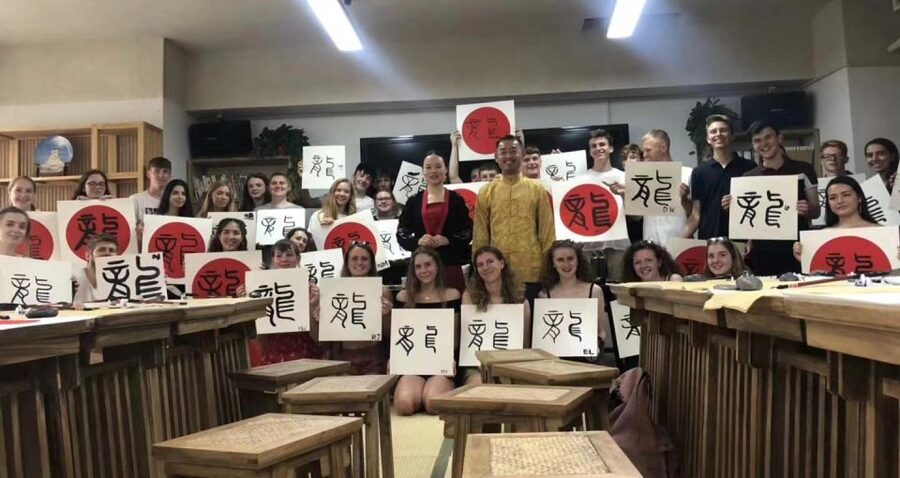
The most useful part of the activity is the method. You learn that tea preparation depends on several linked details.
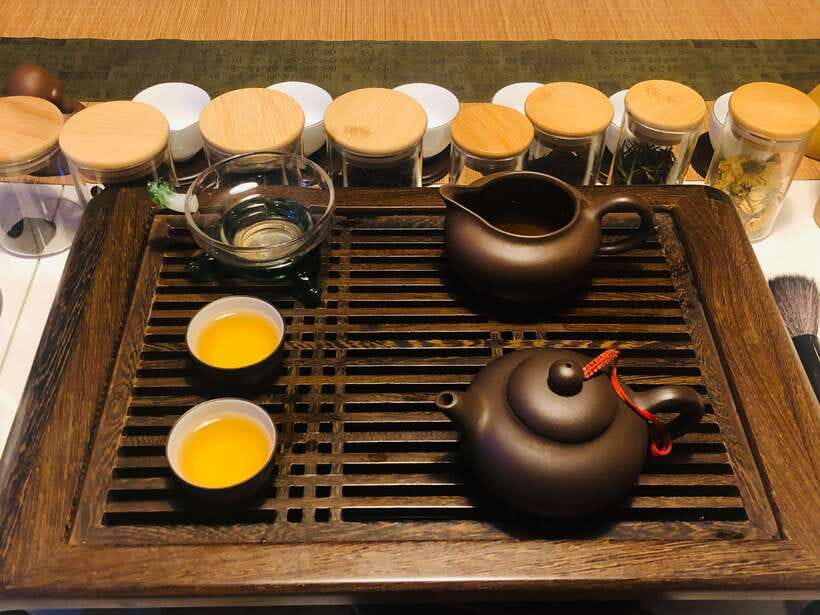
First, the pot is warmed. This helps prepare the vessel and forms part of the respectful ritual. Next, the leaves are presented so you can look at and smell them before water is added.
The tea master then controls the water temperature and steeping time. These details affect strength, aroma, bitterness, and texture. A short steep may produce a lighter cup, while more time can draw out stronger flavors.
The pouring is also deliberate. Tea is handled carefully rather than treated as a beverage to be thrown together. The movement creates a calm rhythm, and that rhythm is part of the cultural lesson.
You may also learn how to hold and smell the tea before drinking it. These actions encourage you to pause and notice the scent, color, heat, and taste separately.
For adults, this is a useful introduction to Chinese social customs. For children aged seven and older, it can work as a short cultural lesson with a sensory hook. The activity is not suitable for children under seven, and pregnant women are advised not to take part.
How long should you allow?
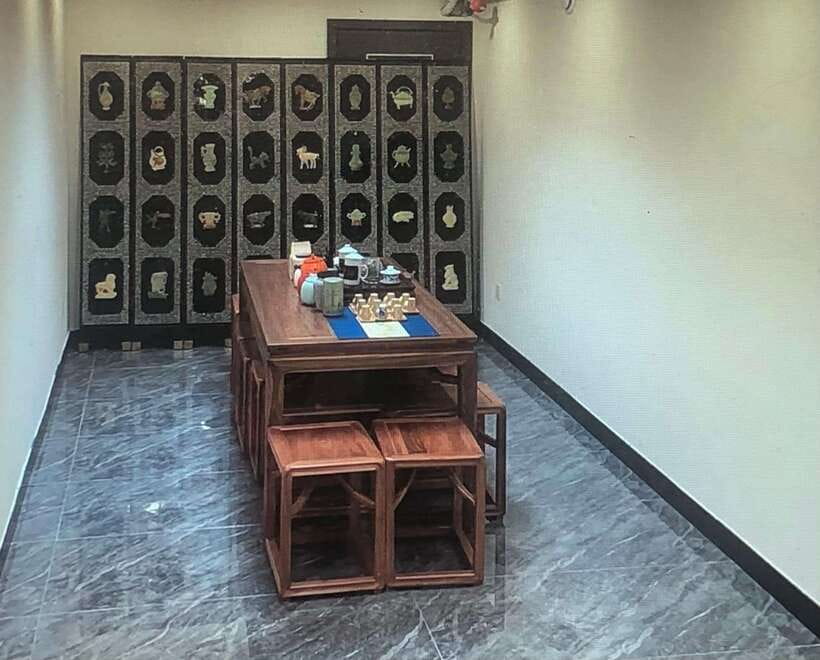
The stated duration ranges from 30 minutes to three hours. That is a wide spread, so you should check availability and the exact option before booking.
A 30-minute session is enough for a focused introduction and the included five mini cups. It works well if you have a packed Beijing schedule or want a short break between major sights.
A longer option may leave more time for conversation, repeated tasting, shopping, photographs, or additional activities. Some experiences connected with the same provider have included calligraphy, food, or other cultural elements, but you should not assume these are included in every tea ceremony booking.
The length matters because tea tasting is not a fixed show. A small group with many questions may take longer than a quick introductory session. If you are planning another timed attraction afterward, leave room for the upper end of the stated duration.
What the $9 price really gets you
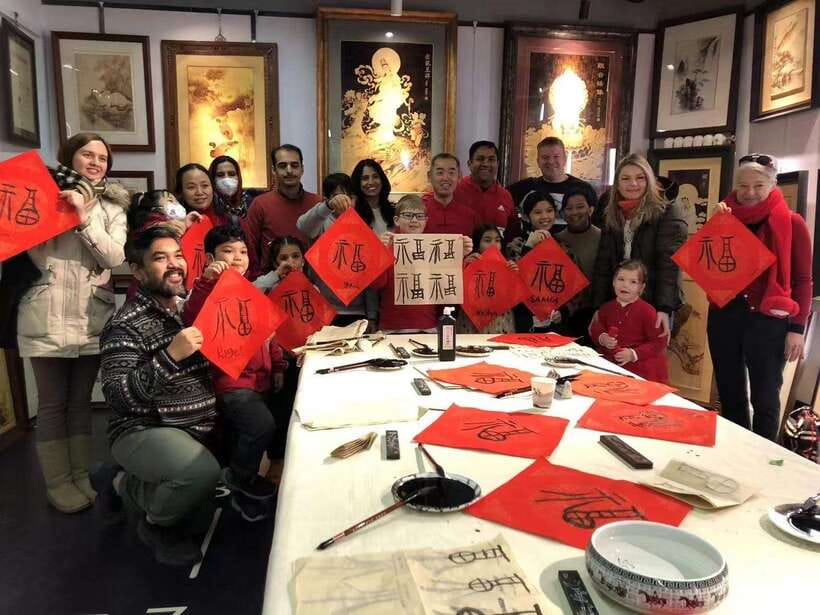
At $9 per person, this is one of the easier cultural activities to fit into a Beijing budget. The price includes the tea ceremony and five mini cups of tea. It does not include transportation, shopping, or other expenses not specifically listed.
The value comes from the instruction rather than the volume of tea. You are paying for access to a guided ritual, an explanation of brewing methods, and the chance to compare several tea styles in one sitting.
It is not a bargain if you are expecting a full-day tour, hotel pickup, or a large cultural program. None of those are included. You need to reach the meeting point yourself, and you may spend extra if you decide to buy tea afterward.
The optional shopping can be useful if you find a tea you like, particularly because the tea master can explain what you are buying. Still, keep your budget clear. A low-cost activity can become more expensive if you feel pressured to purchase high-grade tea or gifts.
The best approach is to treat the shop as an option, not the purpose of the visit. Enjoy the tasting first. Buy only if you understand the product and genuinely want it for home.
English help and the human side of the experience
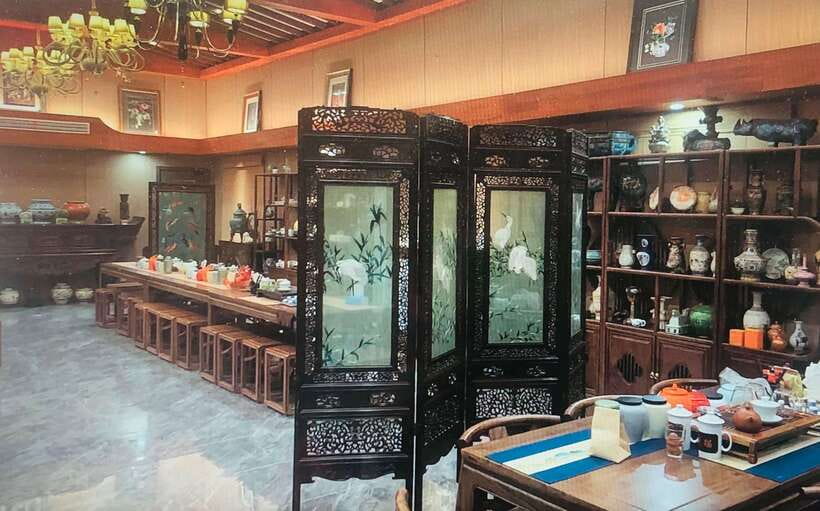
English support is one of the strongest practical features. The activity lists English as the language, and the tea masters and hosts have been praised for fluent explanations.
Richard Li is one name associated with the experience. He has helped with directions, explained the ceremony, and supported bookings that included other cultural activities. Feye is another host noted for humor and clear explanations of Chinese tea.
Kostya has led a Russian-speaking ceremony, showing that language support may vary by booking. The safest choice is to check the language and host details when you reserve.
The friendly style matters because a tea ceremony can feel formal if you do not understand what is happening. Good explanations turn each gesture into part of the lesson. You can ask why the pot is warmed, why the water temperature changes, or why one tea is steeped for less time than another.
Some hosts may take photographs during the ceremony or offer a small souvenir. These touches have been part of certain experiences, but they should be treated as possible extras rather than guaranteed inclusions.
Who will enjoy this most?
I would recommend this to first-time visitors who want more than a checklist of Beijing sights. It gives you a direct way to meet a cultural tradition without committing to a full-day program.
It is also a good fit for:
- Couples looking for a calm afternoon activity
- Families with children aged seven and older
- Tea drinkers who want to compare Chinese styles
- Visitors who enjoy food, craft, calligraphy, and other hands-on customs
- People who need a short indoor break after sightseeing
Children can enjoy the colors, aromas, small cups, and flower tea. Older children may also appreciate seeing how a simple drink becomes a carefully ordered ritual.
You may want to skip it if you dislike guided tastings, have no interest in tea, or want every part of your day arranged with transportation. The no-transport policy means you must handle the route yourself, and the changing meeting point requires attention.
Pregnant women and children under seven should not book this activity according to the stated restrictions.
Practical booking advice for a smoother visit
Leave a WhatsApp number when booking. This is specifically requested and may be important for contact about the meeting point or arrival details.
Check the meeting point for your chosen option rather than relying on a general Beijing map pin. The meeting point may vary, and transportation is not included.
Wear something comfortable enough for sitting and tasting. You do not need special clothing or tea equipment. Arrive ready to participate rather than simply watch.
If you are combining the ceremony with the Forbidden City or another central sight, allow time for the transfer on your own. The tea session can be a pleasant afternoon pause, but it should not be squeezed between two attractions with only a few minutes to spare.
The provider offers free cancellation up to 24 hours before the activity for a full refund. You can also reserve and pay later, which helps if your Beijing plans are still changing.
Should you book this Beijing tea ceremony?
Book it if you want a low-cost, English-speaking introduction to Chinese tea that feels personal rather than rushed. The five teas give you useful variety, and the careful brewing lesson helps you understand why tea plays such an important role in Chinese social life.
I especially recommend it after a morning of major sightseeing. You will have time to sit, taste, and ask questions without giving up a whole day.
Skip it if you expect transportation, a city tour, or a guaranteed calligraphy and food program. Those may appear in related options, but the basic booking includes the ceremony and five mini cups only.
For $9, the risk is small. Check the duration, meeting point, language, and included features before paying. If those details fit your schedule, this is a sensible and enjoyable way to slow down in Beijing and leave with a better understanding of what is in your cup.
FAQ
How much does the traditional Chinese tea ceremony cost?
The listed price is $9 per person.
How long does the tea ceremony last?
The duration ranges from 30 minutes to three hours. Check availability and the selected option for the exact timing.
How many teas are included?
The experience includes five mini cups of tea. Possible varieties include Oolong, Pu-erh, green tea, jasmine tea, and flower tea.
Is a tour guide included?
No. A tour guide and transportation are not included. A tea master or host conducts the ceremony and provides the tea instruction.
Is the activity available in English?
Yes. English is listed as an available language, and an English-speaking host or tea master greets you.
Can I buy tea afterward?
Yes. You may purchase tea after the ceremony at your own expense. Shopping is optional and is not included in the price.
Is transportation provided?
No. Transportation is not included. The meeting point may vary depending on the option you book.
Who cannot take part in the ceremony?
Children under seven and pregnant women should not take part in this activity.
Latest additions around Beijing
- Private Hike from Beijing: Go Beyond The Jiankou and Mutianyu Great Wall★ 5.0 · 3 reviews
- Bullet Train Private Tour: Beijing Tiananmen Square, Forbidden City & Great Wall★ 5.0 · 3 reviews
- Private Great Wall Hiking Tour from Simatai West to Jinshanling★ 4.5 · 3 reviews
- Private Transfer for Beijing Airport PEK or PKX★ 5.0 · 3 reviews
- Private All-inclusive Jinshanling Great Wall 1-day tour★ 4.5 · 3 reviews
- Liyuan Theater Beijing Opera Show Tickets★ 5.0 · 3 reviews
- Private Jinshanling relax photo tour by sunset★ 5.0 · 3 reviews
- Beijing Night Tour with Acrobatics Show & PekingDuck Dinner★ 5.0 · 3 reviews
Tea Ceremony Experiences, compared.
Beijing Culture: Tea Ceremony, Heritage Instrument & Calligraphy
Read our review →
Chinese Tea ceremony in Beijing Hutong courtyard
Read our review →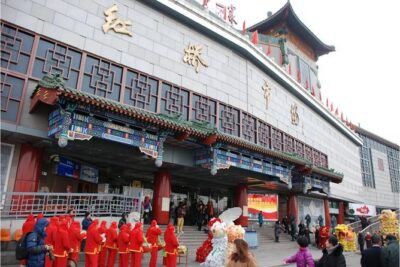
Private Beijing Markets Tour with Tea Tasting at Hongqiao Pearl Market
Read our review →
3-hour Morning/Afternoon Tea Tasting on Maliandao Street & Dimsum
Read our review →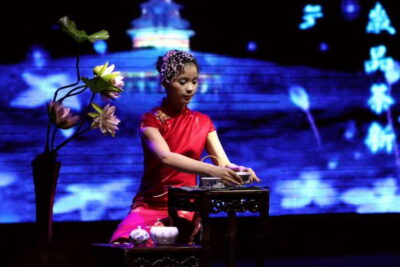
Browse the lists this tour appears in