
Reviewed · KUNG FU & ACROBATICS SHOWS
Chinese Kungfu Class Beside Fobbiden City
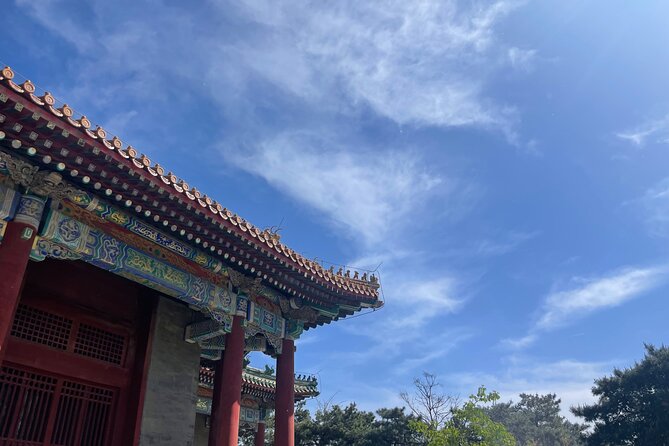
The unusual part of this Beijing experience is its setting and purpose: you practice traditional Chinese kung fu beside the Forbidden City, in the Pudusi area, a place described as carrying royal kung fu traditions across three Chinese dynasties and roughly 1,000 years. This is not a movie-style performance. The class focuses on practical technique, self-defense, and the ideas behind kung fu.
I like the one-hour format, which fits neatly around sightseeing, and I like that the teacher explains how kung fu differs from ordinary boxing and competition training. The main drawback is the price: at $66 for about an hour, you are paying for the setting and specialist instruction more than for a long workout. Bring water, since the class can be hot and sweaty.
In This Review
- Key points before you book
- Training beside the Forbidden City at Pudusi
- What the one-hour kung fu class covers
- Practical self-defense instead of movie kung fu
- Why the teacher matters more than the spectacle
- The physical side: heat, sweat, and preparation
- Is $66 fair for one hour?
- How this fits into a Forbidden City day
- Who will enjoy this experience most
- Cancellation and booking details
- Should you book this kung fu class?
- FAQ
- Where does the Chinese kung fu class meet?
- How long does the experience last?
- What does the class teach?
- Is this a kung fu performance?
- How many people can join the class?
- What is included in the price?
- What are the operating hours?
- Can I cancel for a full refund?
Key points before you book
- A working kung fu lesson: The focus is practical technique and self-defense, not a staged show or tournament routine.
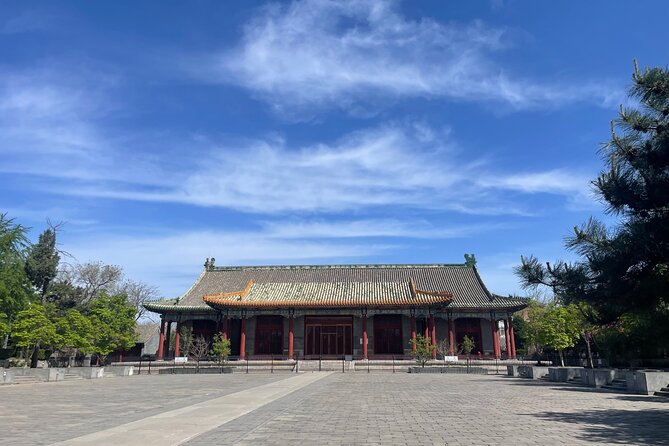
- Historic Pudusi meeting point: You train beside the Forbidden City in a site linked with three dynasties and about 1,000 years of history.
- One hour of instruction: The class is short, focused, and easy to fit into a Beijing sightseeing day.
- Teacher trained from age five: Your professional instructor brings long-term Chinese kung fu training to the lesson.
- Groups capped at 15 people: This is not a private class, but the group limit keeps it more manageable than a large demonstration.
- Water is important: The workout may make you sweat, especially in Beijing’s warmer months.
Training beside the Forbidden City at Pudusi
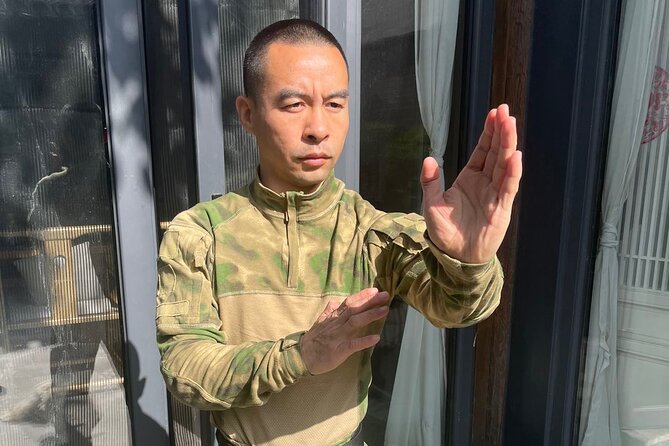
The class begins at Pudusi, at Pudusi Qianxiang in Beijing’s Dongcheng District, near the Forbidden City. The listed address is PudusiChina, Bei Jing Shi, Dong Cheng Qu, Pu Du Si Qian Xiang, Donghuamen, postal code 100006.
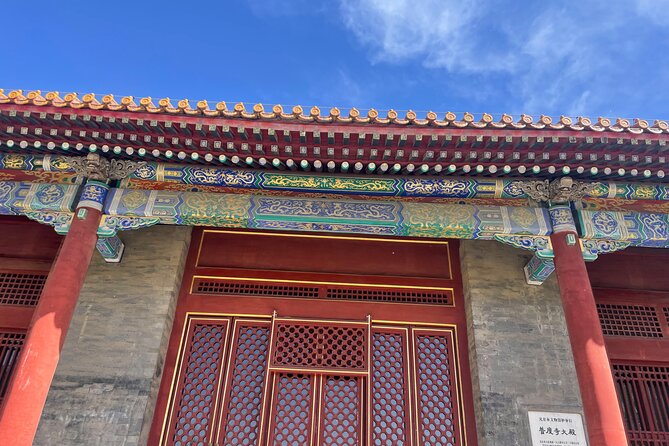
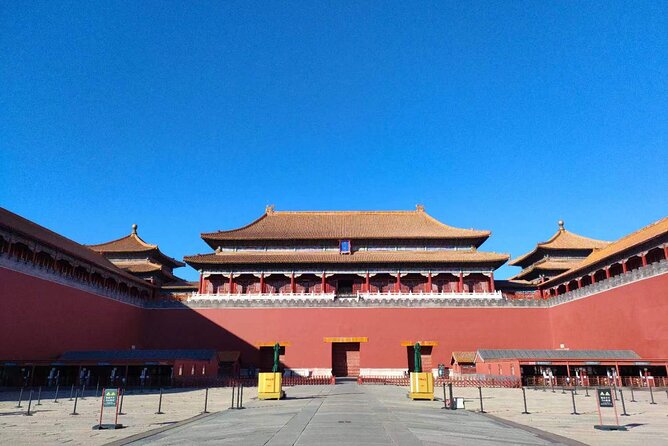
That location matters. You are not being taken to a modern gym on the edge of town. The activity places your kung fu lesson in an area connected with a long royal tradition, described as crossing three dynasties and lasting about 1,000 years. The setting gives the class a stronger sense of place than a generic martial arts workout.
Still, keep your expectations sensible. The experience lasts about one hour, and the available information does not promise a tour of the Forbidden City, a historical lecture, or a visit inside palace buildings. You are going to Pudusi for the class itself. Treat the historic surroundings as part of the atmosphere, not as a second sightseeing program.
The meeting point is also useful for planning. The activity starts and ends at the same place, so you do not need to arrange a separate return transfer. The operating hours are listed as 10:00 a.m. to 6:00 p.m., Monday through Sunday, for the period from April 27, 2024, through November 25, 2026.
More kung fu and acrobatics nights:
- Red Theatre Beijing Acrobatic Show Tickets
★ 4.9 · 461 reviews - Red Theatre Beijing Acrobatic Show Tickets Official Booking
★ 5.0 · 218 reviews - Red Theatre Beijing Acrobatics Show Ticket
★ 5.0 · 141 reviews
What the one-hour kung fu class covers
The teacher has trained in Chinese kung fu since the age of five. That detail suggests a serious personal connection to the art, though the provider does not give the instructor’s name or a specific school lineage. You should expect instruction from a professional kung fu teacher rather than a guide who simply demonstrates a few tourist moves.
The class is designed to cover both ideas and action. You learn the Chinese kung fu concept behind the movements, then work on practical techniques that can be used in real life. The stated aim is different from competition contest training, so the lesson is not built around scoring points or preparing for a bout.
The class also explains the difference between Chinese kung fu and normal boxing. That comparison is useful for beginners. Boxing is commonly understood as a sport with a defined ring, rules, and scoring system. This lesson presents kung fu as a broader practice that includes principles and practical self-defense. The teacher’s job is to help you understand that distinction rather than simply copy a sequence of movements.
The exact order of the hour is not specified. You should expect the teacher to combine explanation with physical practice, but you should not assume a fixed warm-up, a set number of forms, or a particular style such as tai chi, Shaolin kung fu, or wing chun. If a specific school or technique matters to you, ask before booking.
One useful point comes from the physical nature of the class. This is described as a workout with continuous instruction, and it can leave you hot and sweaty. That makes comfortable clothing and a bottle of water sensible choices. The information does not require a uniform, special shoes, or protective equipment, so you should not count on those being supplied.
Practical self-defense instead of movie kung fu
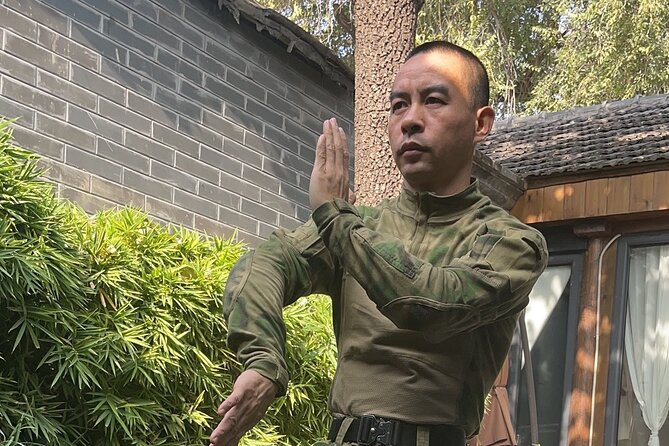
Movies make kung fu look fast, acrobatic, and highly polished. This class takes a different route. It teaches the difference between what you see on screen and what may be useful in real life, with an emphasis on self-defense techniques.
That focus gives the experience a clear purpose. You are not simply watching a master perform. You are asked to pay attention, understand the movement, and practice it yourself. For a first-time student, the value is in learning how kung fu is meant to work as a discipline and practical skill, not just as visual entertainment.
The class may suit you especially well if you enjoy hands-on activities. A short museum talk can give you historical context, but this lesson asks you to use your body and remember what you were shown. The active format also gives you a clearer feel for the effort involved in martial arts.
At the same time, one hour is not enough to build dependable self-defense ability. You will receive an introduction and practical instruction, but real competence requires regular practice. The experience itself makes this point clear: after the lesson, you need to keep training daily if you want the techniques to become familiar.
That limitation is not a flaw, but it affects the value. If you want a serious course with repeated sessions, this is too brief. If you want an informative first lesson with a professional teacher during a Beijing visit, the length works well.
Why the teacher matters more than the spectacle
A good martial arts lesson depends heavily on clear instruction. Here, the teacher is described as a professional who began training at age five and who makes sure students understand the movements and perform them correctly.
That teaching style is important for beginners. Kung fu movements can look simple when demonstrated, but small changes in balance, position, or timing can affect how they work. A teacher who watches your form and corrects mistakes gives you more than a quick photo opportunity.
The available information does not name the teacher, so you cannot compare a specific instructor’s credentials or lineage before booking. You also cannot be sure which kung fu style will dominate the lesson. I would treat the class as an introduction to Chinese kung fu as taught by the provider, not as a formal certification course.
The group limit is 15 people. That is small enough to keep the class from becoming a mass demonstration, but it is not the same as one-to-one coaching. The amount of personal correction you receive may depend on the final group size and how many people need help with the same technique.
If you are nervous about joining a martial arts class, the short duration helps. You are not committing to a full afternoon of demanding exercise. You get a concentrated hour, then return to the meeting point and continue with your Beijing plans.
A few more Beijing options to compare side by side
- Beijing Calligraphy Class
★ 4.9 · 112 reviews - Chinese Calligraphy Class for Small Group
★ 5.0 · 104 reviews - Beijing: Dumpling Making Workshop with Meal and Tea
★ 4.7 · 69 reviews - Online Cooking Class Beijing Dumplings and Cuisine by Sunflowerli Renowned Chef
★ 5.0 · 65 reviews
The physical side: heat, sweat, and preparation
The most practical warning is simple: bring water. The workout can be hot and sweaty, and one hour of active practice may feel more demanding than the short duration suggests.
Wear clothing that allows easy movement. The listing does not state a dress code, so I would avoid anything restrictive or especially delicate. You do not need to arrive as a martial arts expert. The activity is designed to teach the concepts and techniques during the class, and most participants can take part according to the supplied participation information.
The experience does not list coffee or tea as included. All fees and taxes are included, but refreshments are not. Have water with you before the lesson rather than expecting a drink at the meeting point.
The class may be less appealing if you want a quiet cultural activity or if you dislike physical exercise in warm weather. It is also worth considering the timing. A morning session can work before a day of sightseeing, while a late afternoon class may leave you ready for a slower evening. The operating window runs from 10:00 a.m. to 6:00 p.m., but you should check the selected start time when booking.
Is $66 fair for one hour?
The price is $66 per person. For one hour, that is not a budget activity. The cost makes more sense if you place a high value on the setting, a specialist teacher, and the chance to practice rather than watch.
All fees and taxes are included, so the advertised price is easier to assess. You are not paying for a long itinerary with transport, meals, or several attractions. You are paying for a focused lesson at a historic Beijing location.
For someone already interested in martial arts, the price may feel reasonable because the experience gives you direct instruction from a teacher with lifelong training. For a casual sightseer who wants only a brief taste of kung fu, it may feel expensive compared with simply watching a demonstration.
The group size also affects the value. With a maximum of 15 people, you have a better chance of following the teacher than you would in a large commercial show. But the class is still shared, and the provider does not promise private coaching. I would book it for the personal participation and context, not because you expect an intensive private lesson.
The activity is booked an average of 103 days in advance. That is a useful planning signal. If you know you want to include the class, reserve it early rather than leaving it until the last part of your Beijing schedule. The advance booking pattern does not guarantee that every date will sell out, but it suggests that last-minute availability may be less reliable.
How this fits into a Forbidden City day
The class is a good add-on for a day centered on Beijing’s historic core. Since it begins and ends at Pudusi, you can plan the martial arts lesson as a fixed one-hour appointment rather than an open-ended excursion.
Leave enough time to find the meeting point. The address includes both the Romanized location and Chinese characters, which can help if you need to show it to a driver or ask for directions. A mobile ticket is provided, and confirmation arrives when you book.
Do not assume the class includes entry to the Forbidden City. The information only identifies the nearby historic setting and the Pudusi meeting point. If you plan to visit palace grounds separately, check opening times, tickets, and your own entry arrangements.
The return to the meeting point keeps the logistics simple. There is no separate end location to reach, and the activity does not include a transfer or meal. That simplicity is helpful in a city where crossing from one district to another can take time.
Service animals are allowed, and the activity is near public transportation. Most people can participate, though the class is physical enough that you should consider your own comfort with exercise. No specific fitness level or medical restriction is listed, so contact the provider if you need an answer about a personal condition.
Who will enjoy this experience most
I would recommend this class to you if you want to do more than take photographs near the Forbidden City. It gives you a physical way to connect with Chinese martial arts and a chance to ask how traditional kung fu differs from boxing and competition sport.
It suits beginners, since the teacher explains the ideas and techniques during the session. It also suits people who like practical instruction. You leave with movements to practice, rather than only general information about kung fu.
Families and mixed-age groups may find the one-hour format manageable, but the supplied information does not give a minimum age or child-specific program. If you are booking for children, ask the provider first. The same applies if anyone in your group needs a slower pace or special physical accommodation.
Experienced martial artists may find the hour too basic unless they are mainly interested in seeing how this teacher presents Chinese kung fu. The provider does not promise advanced training, sparring, certification, or a particular traditional form.
This is not the right pick if your main goal is a performance. There are no stated stage shows, costumes, or demonstrations for passive viewing. You take part, sweat, and concentrate.
Cancellation and booking details
You receive confirmation at the time of booking, and the ticket is mobile, so you can keep the booking on your phone. The activity accepts free cancellation when you cancel at least 24 hours before the local start time.
Inside that 24-hour window, you receive no refund, and changes are not accepted. Plan carefully if your Beijing itinerary includes long sightseeing days, since a delayed palace visit or transport problem may not be a reason for a last-minute change.
The class ends back at Pudusi. The provider is Limengrong, and the maximum group size is 15 people. Coffee and tea are not included, while all fees and taxes are included in the stated price.
Should you book this kung fu class?
Book it if you want an active, compact cultural experience with a professional teacher and a historic Beijing setting. The strongest reasons are the practical self-defense focus, the explanation of kung fu beyond movie scenes, and the chance to train beside the Forbidden City rather than merely watch a performance.
Skip it if $66 feels high for one hour, if you want advanced martial arts training, or if physical exercise does not fit your plans. For the right person, this is a memorable way to add movement and context to a Forbidden City day. Just reserve ahead, wear comfortable clothes, and carry water.
FAQ
Where does the Chinese kung fu class meet?
It meets at PudusiChina, Pudusi Qianxiang, Dongcheng District, Beijing, near Donghuamen. The address is also provided in Chinese characters as Pu Du Si Qian Xiang, 东华门, postal code 100006.
How long does the experience last?
The class lasts about one hour. It starts and ends at the Pudusi meeting point.
What does the class teach?
The lesson introduces Chinese kung fu concepts, practical techniques, and self-defense. It also explains the difference between Chinese kung fu, normal boxing, and competition-based training.
Is this a kung fu performance?
No. The experience is a hands-on training class rather than a movie-style show or a competition contest.
How many people can join the class?
The maximum group size is 15 people.
What is included in the price?
All fees and taxes are included. Coffee and tea are not included.
What are the operating hours?
The activity is listed as operating Monday through Sunday from 10:00 a.m. to 6:00 p.m., from April 27, 2024, through November 25, 2026.
Can I cancel for a full refund?
Yes, if you cancel at least 24 hours before the experience start time. Cancellations or changes made less than 24 hours before the local start time are not refunded or accepted.
Latest additions around Beijing
- Private Hike from Beijing: Go Beyond The Jiankou and Mutianyu Great Wall★ 5.0 · 3 reviews
- Bullet Train Private Tour: Beijing Tiananmen Square, Forbidden City & Great Wall★ 5.0 · 3 reviews
- Private Great Wall Hiking Tour from Simatai West to Jinshanling★ 4.5 · 3 reviews
- Private Transfer for Beijing Airport PEK or PKX★ 5.0 · 3 reviews
- Liyuan Theater Beijing Opera Show Tickets★ 5.0 · 3 reviews
- Private Jinshanling relax photo tour by sunset★ 5.0 · 3 reviews
- Private All-inclusive Jinshanling Great Wall 1-day tour★ 4.5 · 3 reviews
- Beijing Night Tour with Acrobatics Show & PekingDuck Dinner★ 5.0 · 3 reviews
Kung Fu & Acrobatics Shows, compared.
Red Theatre Beijing Acrobatic Show Tickets Official Booking
Read our review →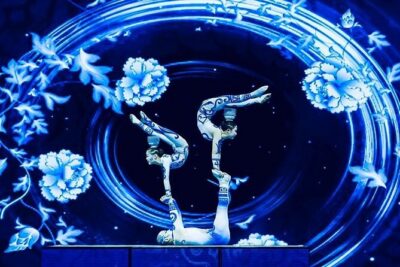
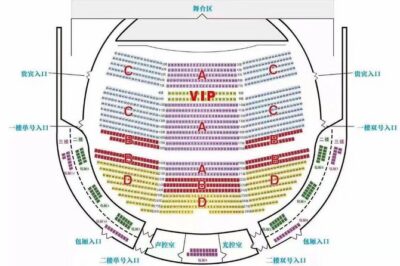
Beijing Golden Mask Dynasty Show with Private Transfer
Read our review →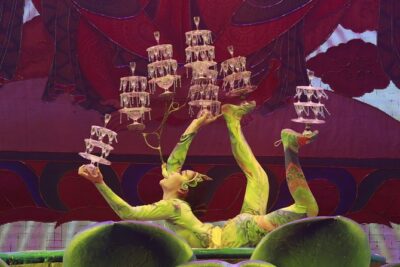
Beijing Roast Duck Banquet and Acrobatics Show with VIP Seats Evening Tour
Read our review →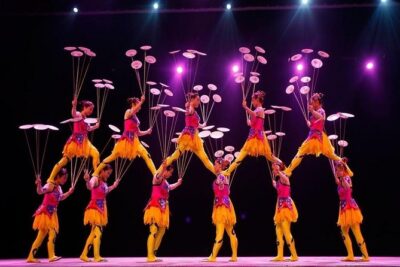
Beijing Red Theater Acrobatic Show with Private Transfer Service
Read our review →
Beijing Red Theatre Acrobatic Show Tickets Official
Read our review →Browse the lists this tour appears in