
Reviewed · CALLIGRAPHY & INK ART CLASSES
Chinese Calligraphy Class for Small Group
Chinese calligraphy is a fine way to slow down in Beijing. At this small-group class near Wangfujing, you learn more than how to hold a brush. You practice posture, breathing, and basic strokes, then create a piece of art of your own. I like the personal instruction and the chance to take home a finished work.
I also like the choice of class lengths. A 30-minute session fits a packed sightseeing day, while an hour or more gives you time to practice without feeling rushed. Teachers such as Richard, David, and Robert Lee bring in Chinese culture, philosophy, and tea, which gives the class more meaning than a simple craft demonstration.
The main thing to watch is the meeting location. Hilton Beijing Wangfujing is the starting point, but the actual classroom entrance can be harder to spot than expected. Allow time to find the correct building, and consider booking at least an hour if you want to produce a careful final piece.
In This Review
- Key points at a glance
- Why calligraphy works so well in Beijing
- Meeting at Hilton Beijing Wangfujing
- The opening exercise: finding a calmer pace
- Learning posture, brush control, and basic strokes
- Making a character and a keepsake
- Richard, David, and the teaching style
- Morning, afternoon, or evening timing
- Is the $20 price good value?
- Who will enjoy this class most?
- Booking, cancellations, and practical details
- Should you book the Chinese calligraphy class?
- FAQ
- Where does the Chinese calligraphy class begin?
- Where does the activity end?
- How long does the class last?
- What happens during the lesson?
- Are calligraphy supplies included?
- Is the activity suitable for children?
- How many people can join the class?
- Can I cancel for a refund?
Key points at a glance
- Practice the brush before making art: You learn posture, brush control, and basic strokes before working on a final character.
- Pick a class that fits your day: Sessions range from 30 minutes to two hours, with morning, afternoon, and evening options.
- Meet near Wangfujing: The class begins in the lobby of Hilton Beijing Wangfujing and ends at the same meeting point.
- Expect a small group: The maximum group size is 15, giving you a better chance to receive help than in a large workshop.
- Take home a personal souvenir: After practicing, you can create a finished calligraphy piece, including a red hanging decoration or canvas in some sessions.
- More than a writing lesson: The class may include tea, Chinese philosophy, and ideas connected with yin-yang and inner calm.
Why calligraphy works so well in Beijing
Beijing can fill a day with grand sights: the Forbidden City, the Temple of Heaven, and long walks through the hutongs. Those places help you understand China through buildings and public spaces. This class gives you a quieter connection, one based on your own hands.
Chinese calligraphy is not simply handwriting in another language. The brush needs a different touch from a pen, and the shape of each stroke depends on pressure, speed, and direction. You will not become a master in an hour, but you can feel how much control the art demands.
I like that the lesson begins with a standing exercise. It is described as a way to settle your mind and leave behind the hurry of sightseeing. That may sound unusual on a city tour, but it makes practical sense. If you grip the brush while tense and impatient, your strokes will show it.
The class also introduces ideas from Chinese philosophy, including yin-yang. The cultural material is not presented as a separate lecture. It is tied to the physical act of writing, so you learn why balance and rhythm matter while you practice.
More calligraphy and ink art classes:
- Beijing Calligraphy Class
★ 4.9 · 112 reviews - Beijing Historic City Guided Walking Tour + Calligraphy Creation
★ 5.0 · 59 reviews - Beijing Wangfujing Calligraphy Class by Forbidden City
★ 5.0 · 58 reviews
Meeting at Hilton Beijing Wangfujing
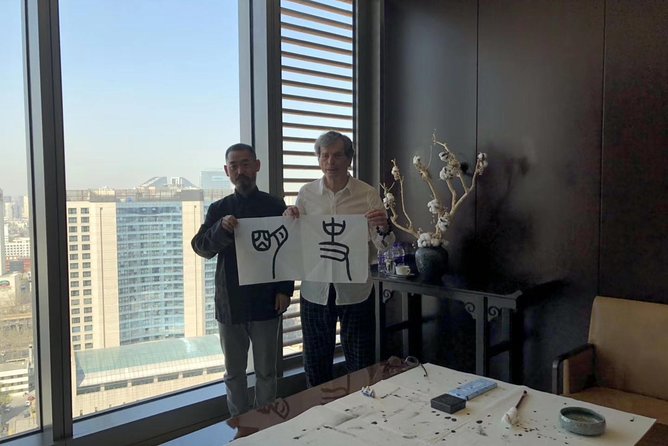
Your art teacher meets you in the lobby of Hilton Beijing Wangfujing, at 8 Wangfujing East Street in Dongcheng District. This places the activity close to one of central Beijing’s main shopping and sightseeing areas, and the meeting point is near public transportation.
The supplied directions deserve careful attention. The classroom is in an arts center, sharing an entrance with a mixed martial arts club, with restaurants on either side. The location shown by booking services may bring you to the road rather than the exact doorway.
I would arrive early and keep the teacher’s contact details handy. Richard has helped people find the entrance by coming out to the street, and one class member noted that he met them near the subway. Those small touches matter in Beijing, where a correct street address does not always tell you which door to use.
The class ends back at the meeting point. There is no separate hotel transfer, sightseeing stop, or transportation included, so plan your route to and from Wangfujing yourself.
The opening exercise: finding a calmer pace
The first stage is an immersion standing exercise, described as a basic way to settle the mind and reduce impatience. The wording may sound grand, but the practical benefit is simple: you get a moment to slow down before handling the materials.
This is especially useful if you are coming straight from a full morning at the Great Wall or a crowded city attraction. One person arrived late after a delayed bus from the Great Wall, and the teacher still stayed late to provide the planned lesson. You should not count on that flexibility every time, but it shows why it is wise to communicate if your schedule changes.
The opening also sets the tone. This is not a quick stop where you copy a character and leave. The teacher wants you to pay attention to how you stand and move. For some people, that reflective approach will be the best part of the hour. If you want only a fast souvenir, it may feel slower than expected.
Learning posture, brush control, and basic strokes
Next comes the technical foundation. You learn how to hold the writing brush, sit or stand correctly, and make the basic strokes used in Chinese calligraphy.
For a first-timer, this instruction is valuable. A brush does not behave like a ballpoint pen. You need to guide it with a relaxed hand and adjust pressure as you move. The teacher can correct the position of your fingers and wrist before bad habits take over.
The class uses practice materials, so you can make mistakes without worrying about your final paper. Some sessions include organized writing challenges, which add a little structure and keep the practice from becoming repetitive.
The pace depends on your chosen length and the size of your group. In 30 minutes, you will get an introduction, but time for repeated practice is limited. One direct piece of advice from the experience is to choose the one-hour class if your schedule allows. Several people extended shorter sessions because they wanted more practice.
The 1.5-hour and two-hour options make more sense for families or small groups who want a relaxed activity. Longer sessions also give the teacher more time to work with each person. The maximum group size is 15, which is still a group rather than a private lesson, but far more manageable than a large class.
A few more Beijing options to compare side by side
- Beijing: Dumpling Making Workshop with Meal and Tea
★ 4.7 · 69 reviews - Online Cooking Class Beijing Dumplings and Cuisine by Sunflowerli Renowned Chef
★ 5.0 · 65 reviews - Beijing Wangfujing Calligraphy Class Nearby Forbidden City
★ 5.0 · 56 reviews - Chinese Kungfu class in old temple beside Forbidden Ci
★ 4.8 · 53 reviews
Making a character and a keepsake
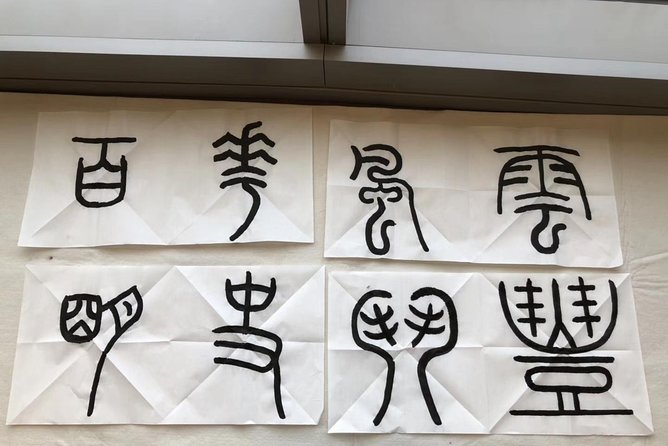
After practice, you work toward a finished calligraphy piece. The exact character may depend on the lesson and your choice, but happiness is one example used in the classes. You may write on a canvas or a red hanging ornament, then take the completed piece home.
That final artwork is the strongest reason to choose this activity over a basic cultural talk. Your result will not look like a professional calligrapher’s work, and that is part of its charm. The uneven edges and small imperfections show that you made it during your time in Beijing.
The final piece is also a useful souvenir for families. One French-speaking family used their work as a decoration for both the children’s and parents’ rooms. Other participants took home pieces with the meaning of happiness. The class gives you a story to attach to the object, instead of another factory-made item from a market.
You should expect practice to take up a good part of the session. The final character comes after the teacher has shown you the technique. If you want several finished works, ask about the available time when booking rather than assuming the shortest class will include them.
Richard, David, and the teaching style
The experience has been led by teachers including Richard, David, and Robert Lee. The teaching style described by the available feedback is patient, attentive, friendly, and willing to explain more than the mechanics of writing.
Richard receives especially strong praise for taking photographs, serving tea, giving cultural context, and keeping the mood light. One class began with hot tea and conversation, while another included extra practice challenges and a choice of large red ornaments for the final work.
David is described as attentive and helpful with both calligraphy and Chinese culture. Robert Lee is also praised for a generous approach and for making the first lesson comfortable for beginners. Since the instructor may vary, you should treat these names as examples rather than a guarantee of who will teach your class.
The tea is a pleasant addition, but it should not be the main reason you book. The real value comes from having a teacher watch your hand and adjust your method. The cultural discussion makes the lesson more memorable, especially if you are curious about the meaning behind the character you create.
Morning, afternoon, or evening timing
You can choose a morning, afternoon, or evening class. That flexibility is useful in Beijing, where sightseeing plans often change based on opening times, traffic, and the weather.
A morning class can work well before a day around Wangfujing and the Forbidden City. An afternoon session gives you a quiet break after sightseeing. An evening class may fit best after dinner or shopping, though you should confirm the exact start time when booking.
The activity lasts about one hour by default, but the available choices range from 30 minutes to two hours. Read the duration carefully before paying. A short introduction may be enough for children or for anyone with a tight schedule, but an hour gives you a much better chance to practice and finish a meaningful piece.
If your group is enjoying the class, an extension may be possible. Some people added 30 minutes during the session. Do not assume that extra time will always be available, especially if another class follows, but it is worth asking at the start.
Is the $20 price good value?
At about $20 per person, the class is modestly priced for a central Beijing activity. The fee includes the art teacher, calligraphy supplies, and the selected lesson length. It does not include unrelated expenses, transportation, meals, or anything else not specifically listed.
The value is strongest if you want a hands-on cultural activity. For the price, you get instruction, materials, practice time, and a souvenir you made yourself. You also avoid spending several hours on a formal museum visit when you want something more active.
The price needs a little care because several lesson lengths are offered. The stated price is $20 per person, but you should check which duration your booking covers and whether a longer option costs more. Group discounts are available, which may help families or friends traveling together.
I would not choose this class if you are looking for advanced training. One or two hours can teach the basics, not the full discipline. It is best understood as an accessible introduction and a personal Beijing memento.
Who will enjoy this class most?
This experience suits first-time visitors who want to connect with Chinese culture through an activity. You do not need to know Chinese, and most people can participate. Children must be accompanied by an adult, making it a practical option for families.
It also works well for couples and small groups. Everyone can practice at the same time, compare results, and take home an individual piece. The creative challenge gives children something to focus on, while adults may appreciate the slower pace and philosophical side.
Choose the longer class if you like crafts, want detailed help, or hope to create a polished final character. Choose 30 minutes only if you need a brief introduction or have a tightly packed schedule.
The class may not suit anyone who dislikes seated instruction, repeated practice, or activities where the final result depends on hand control. You should also allow extra time to locate the arts center entrance.
Booking, cancellations, and practical details
Confirmation is provided at booking, and the activity accepts mobile tickets. The group can have up to 15 people, and the meeting point is near public transportation.
You can cancel for a full refund up to 24 hours before the start time. Cancellations or changes made less than 24 hours before the activity are not accepted for a refund. The cut-off follows Beijing local time.
Since the location can be confusing, save the address and watch for the arts center entrance near the mixed martial arts club and neighboring restaurants. If you are running late, contact the teacher as soon as possible. A delayed arrival may shorten your practice time, even though Richard has shown flexibility in at least one case.
Should you book the Chinese calligraphy class?
I would book this class if you want a reasonably priced cultural activity that leaves you with something personal. The patient teaching, tea, philosophical context, and chance to create a red hanging decoration or canvas make it more memorable than a standard souvenir stop.
Book the one-hour session if you can. Thirty minutes is enough to try the brush, but not enough for much repetition. Families, couples, and anyone who enjoys creative activities should consider 1.5 or two hours.
Skip it if you want a major Beijing sight or an advanced calligraphy course. For everyone else, this is a gentle way to put your sightseeing schedule on pause, learn a traditional art, and carry home a small piece of your own Beijing experience.
FAQ
Where does the Chinese calligraphy class begin?
The class begins in the lobby of Hilton Beijing Wangfujing at 8 Wangfujing East Street in Beijing’s Dongcheng District.
Where does the activity end?
The activity ends back at the meeting point at Hilton Beijing Wangfujing.
How long does the class last?
You can choose a 30-minute, 45-minute, one-hour, 1.5-hour, or two-hour class when booking.
What happens during the lesson?
You learn a standing exercise, correct posture, brush handling, basic calligraphy strokes, and practice techniques before creating a final piece.
Are calligraphy supplies included?
Yes. Calligraphy supplies for use during the class are included.
Is the activity suitable for children?
Children can participate, but they must be accompanied by an adult.
How many people can join the class?
The activity has a maximum of 15 participants.
Can I cancel for a refund?
Yes. You can cancel at least 24 hours before the start time for a full refund. Changes or cancellations made less than 24 hours before the start time are not accepted for a refund.
Latest additions around Beijing
- Private Hike from Beijing: Go Beyond The Jiankou and Mutianyu Great Wall★ 5.0 · 3 reviews
- Bullet Train Private Tour: Beijing Tiananmen Square, Forbidden City & Great Wall★ 5.0 · 3 reviews
- Private Great Wall Hiking Tour from Simatai West to Jinshanling★ 4.5 · 3 reviews
- Private Transfer for Beijing Airport PEK or PKX★ 5.0 · 3 reviews
- Liyuan Theater Beijing Opera Show Tickets★ 5.0 · 3 reviews
- Private Jinshanling relax photo tour by sunset★ 5.0 · 3 reviews
- Private All-inclusive Jinshanling Great Wall 1-day tour★ 4.5 · 3 reviews
- Beijing: Private Tour to Great Wall & POPLand Labubu Home★ 4.6 · 3 reviews
Calligraphy & Ink Art Classes, compared.
Beijing Historic City Guided Walking Tour + Calligraphy Creation
Read our review →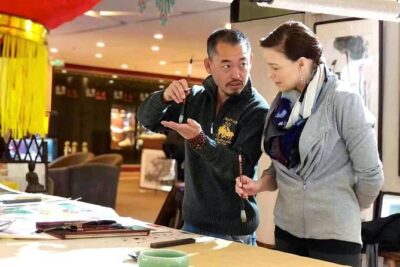
Beijing Wangfujing Calligraphy Class by Forbidden City
Read our review →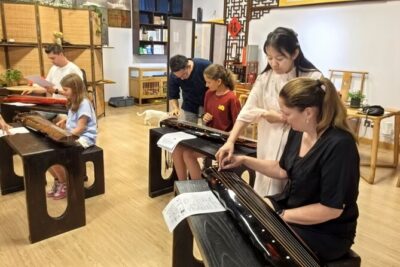
Beijing Culture: Tea Ceremony, Heritage Instrument & Calligraphy
Read our review →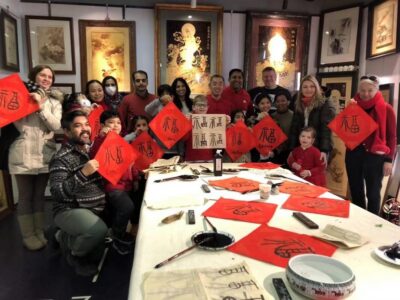
Beijing Wangfujing Calligraphy Class Nearby Forbidden City
Read our review →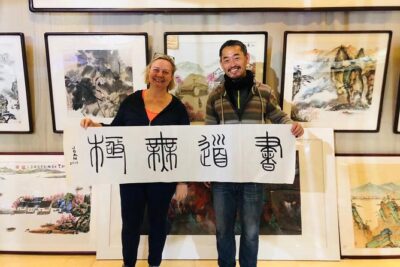

Discover Old Beijing: Hutong Walking Tour & Calligraphy
Read our review →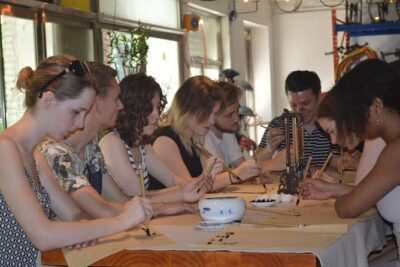
4-Hour Private Tour of Calligraphy Class, Hutong and Dumplings
Read our review →Browse the lists this tour appears in