
Reviewed · KUNG FU & ACROBATICS SHOWS
Chinese Kungfu class in old temple beside Forbidden Ci
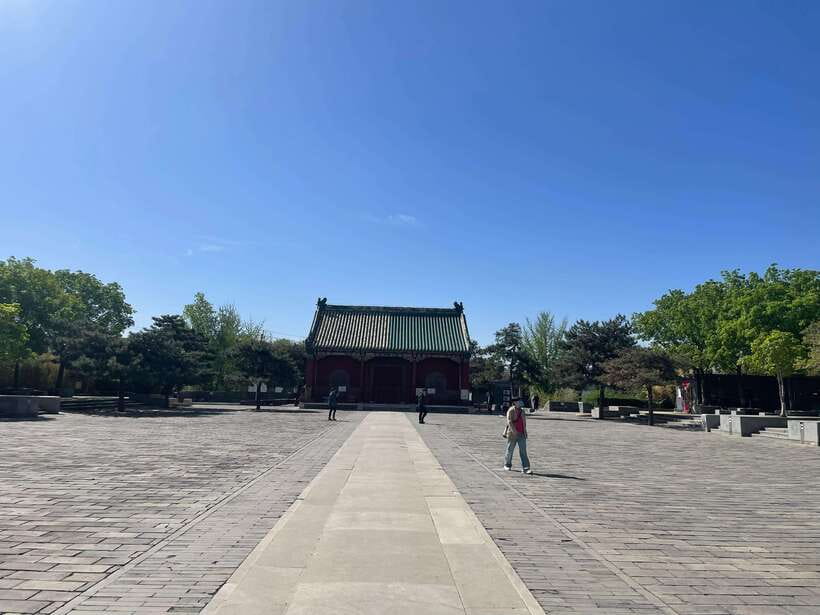
Beside the Forbidden City, inside a nearly 700-year-old royal temple area, you’ll learn the basics of traditional Chinese kungfu from a master trained in Shaolin styles since childhood. This is not a stage show. You practice movements, receive corrections, and learn how techniques can work in everyday self-defense.
I like the remarkable setting, where old temple buildings and Beijing hutong lanes frame a hands-on lesson. I also like the personal teaching: Limeng provides English translation, and past sessions have included one-to-one attention, child-friendly pacing, and practical advice for women learning basic defensive movements.
The main consideration is physical effort. The class lasts about an hour, but kungfu involves repeated stances, strikes, and movement. Wear something comfortable, bring water, and pack an extra shirt if you tend to get warm.
In This Review
- Key points to know before you book
- Why the temple setting changes the class
- What happens during the one-hour kungfu lesson
- Limeng makes the English-supported lesson work
- Practical self-defense, not movie-style kungfu
- A class that works for beginners, solo visitors, and families
- Add the tea ceremony for a slower cultural lesson
- Clothing, heat, and the small practical details
- Is $45 a fair price in Beijing?
- Who should book this experience?
- Should you book the Pudusi kungfu class?
- FAQ
- Where does the kungfu class take place?
- How long is the kungfu class?
- How much does the activity cost?
- Is an English-speaking guide available?
- What type of kungfu will I learn?
- Will I practice self-defense?
- Is the class suitable for beginners?
- Can I buy a kungfu uniform?
- Can I cancel the booking?
Key points to know before you book
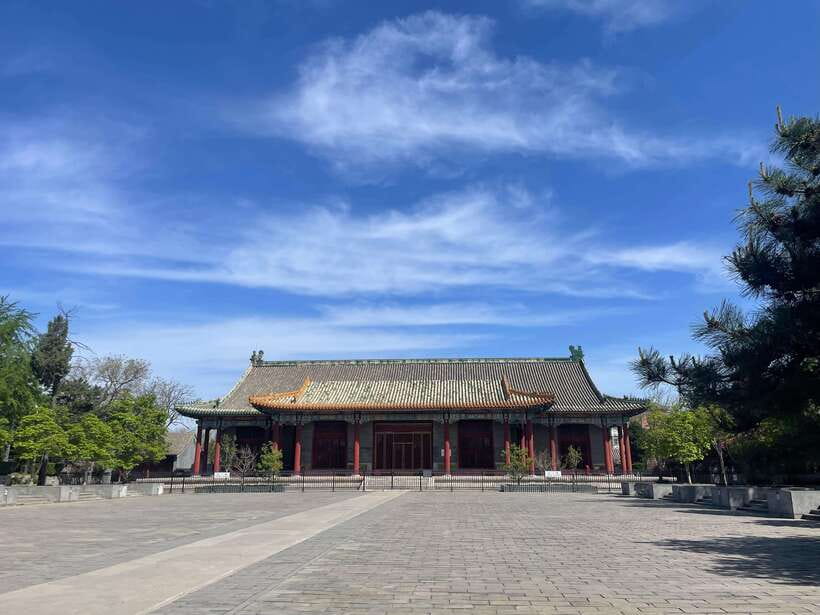
- Train beside the Forbidden City: The class takes place in Pudusi, a royal temple site set within an old hutong residential area near the Forbidden City’s east gate.
- Learn from a Shaolin-trained master: The teacher began training at age five and teaches Shaolin kungfu along with other traditional Chinese forms.
- Practice instead of simply watching: You’ll work through basic exercises, attack movements, and self-defense techniques during roughly one hour.
- English help is provided: Limeng acts as guide and translator, explaining the master’s instructions and answering questions.
- The experience can feel personal: One-to-one classes and small groups have been accommodated, depending on the day’s bookings.
- Tea and uniforms add options: A traditional tea ceremony may be available, and kungfu practice suits can be purchased in different sizes and colors.
Why the temple setting changes the class
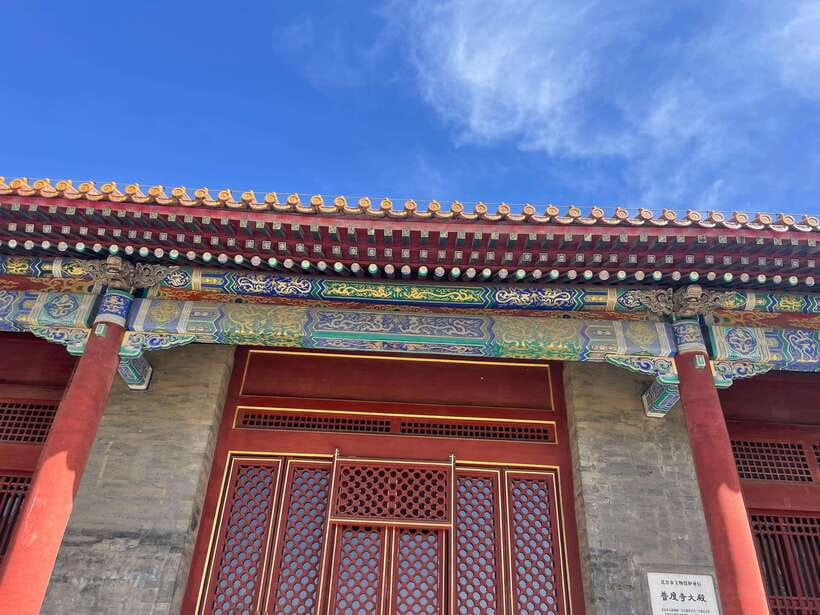
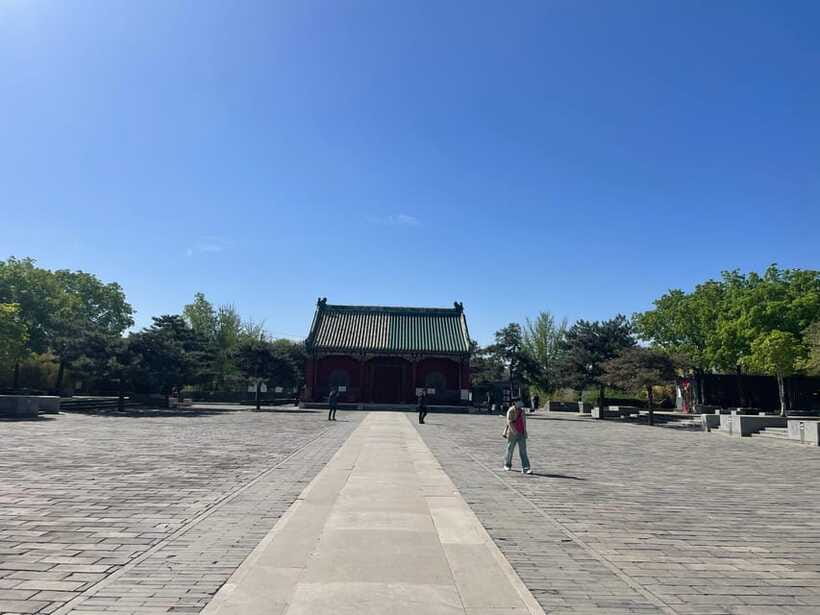
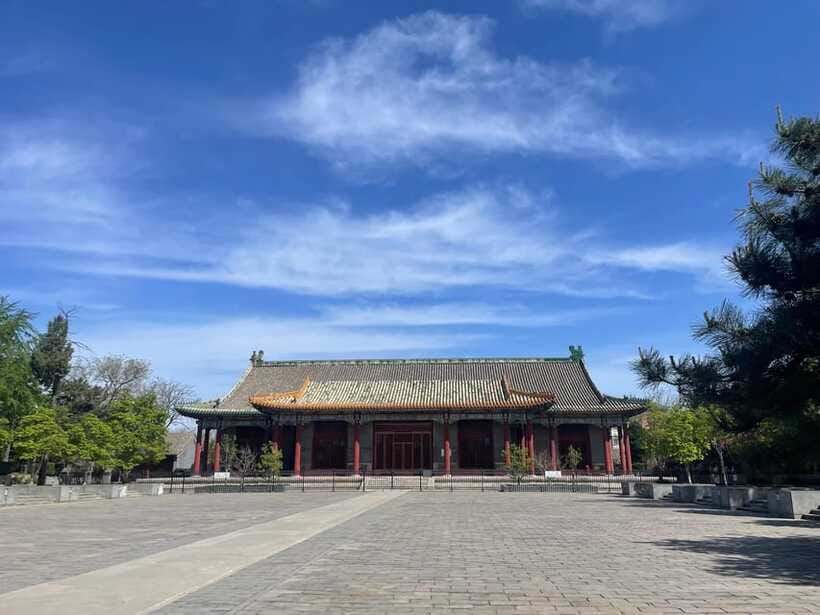
Many martial arts activities could take place in a gym. This one takes you into Pudusi, a site described as having almost 700 years of history as a royal temple. Its location near the eastern gate of the Forbidden City gives the lesson a strong sense of place before you even begin moving.
The setting also brings you into Beijing’s hutong world. These narrow residential lanes are not just a backdrop for photographs. They are part of the city’s older urban fabric, where homes, small courtyards, temples, and daily neighborhood life sit close together.
I like that the class connects physical practice with Chinese culture without turning the experience into a lecture. You are learning movements in a place tied to imperial Beijing, then hearing about the values and practical purpose behind them.
The temple area may not offer the polished space of a modern martial arts studio. That is part of the appeal, but it also means you should expect a traditional outdoor or temple-area setting rather than a fully equipped training hall. Wear shoes and clothing that let you move comfortably.
More kung fu and acrobatics nights:
- Red Theatre Beijing Acrobatic Show Tickets
★ 4.9 · 461 reviews - Red Theatre Beijing Acrobatic Show Tickets Official Booking
★ 5.0 · 218 reviews - Red Theatre Beijing Acrobatics Show Ticket
★ 5.0 · 141 reviews
What happens during the one-hour kungfu lesson
The central activity lasts about an hour. The master introduces basic Chinese kungfu training, then guides you through movements and explains how they can be used in practical situations.
You should expect a lesson built around participation. The class is not mainly a demonstration in which you sit and watch a professional perform. The master shows a movement, you try it, and he corrects your position or technique.
The instruction includes Shaolin kungfu and other traditional Chinese styles. The teacher’s background is especially useful here. He has trained since the age of five and has experience with several forms, so the lesson can go beyond a single memorized routine.
That does not mean you will become an expert in one hour. You will receive an introduction, not a full martial arts course. The value is in learning a few foundations properly and understanding how a traditional teacher approaches movement, balance, timing, and control.
Several parts of the lesson focus on practical use. You may practice ways to defend yourself, along with attack movements and responses. The instruction has been adapted for first-time students, including people with no previous martial arts experience.
If you already practice kungfu or another martial art, tell the guide what interests you. A previous one-to-one session was shaped around the student’s personal goals, while another participant received a lesson suited to first-time practice. The class appears flexible enough to adjust its emphasis when the group is small.
Limeng makes the English-supported lesson work
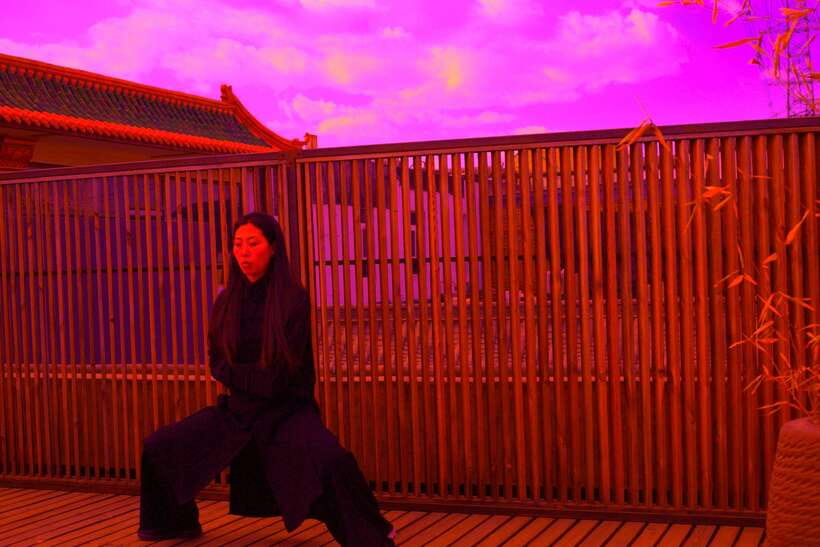
The master is the technical teacher, while Limeng helps bridge the language gap. She translates the explanations into English and can answer questions as the lesson moves along.
That arrangement matters. Martial arts depend on small physical details, and a short instruction can be misunderstood if it is translated poorly or not at all. With an English-speaking guide present, you can ask why a movement works, how to position your body, or what a technique is intended to do.
Limeng has also helped shape the wider experience. She has explained tea traditions, adjusted starting times to fit schedules, and provided videos at the end of a class. These touches are useful because you leave with more than a short workout and a few blurry phone photographs.
The English support does not turn the activity into an English-only class. You are still learning directly from the Chinese master through demonstration, repetition, and physical correction. That combination keeps the lesson connected to its local setting while making it manageable for an international visitor.
Practical self-defense, not movie-style kungfu
It is easy to arrive expecting flying kicks and dramatic choreography. This class is more grounded. The teacher demonstrates basic methods and shows how kungfu techniques may apply in casual, practical situations.
That distinction is important. Traditional kungfu includes performance forms, but the experience also presents it as a system of body control and self-protection. You learn through simple movements that can be practiced slowly, rather than being asked to copy an elaborate routine at full speed.
A lesson has included self-defense and attack movements specifically adapted for a woman. That can make the session more useful for someone who wants practical awareness rather than a purely visual introduction to martial arts.
Still, treat the self-defense section as an introduction. One class cannot replace sustained martial arts training or professional safety instruction. The benefit is learning basic ideas, seeing how a trained teacher applies them, and gaining a clearer sense of what further practice would involve.
The master’s physical ability is part of the experience. He may demonstrate techniques with far more speed and strength than a beginner can copy. Watch closely, but do not feel pressured to match him. Good form and safe movement matter more than force.
A few more Beijing options to compare side by side
- Beijing Calligraphy Class
★ 4.9 · 112 reviews - Chinese Calligraphy Class for Small Group
★ 5.0 · 104 reviews - Beijing: Dumpling Making Workshop with Meal and Tea
★ 4.7 · 69 reviews - Online Cooking Class Beijing Dumplings and Cuisine by Sunflowerli Renowned Chef
★ 5.0 · 65 reviews
A class that works for beginners, solo visitors, and families
This activity suits complete beginners particularly well. You do not need to arrive knowing a stance, form, or Chinese martial arts term. The lesson introduces the fundamentals and gives you time to practice them.
Solo visitors can benefit from the chance of receiving individual attention. One participant had a one-to-one session, and another described the lesson as highly personalized. A private-feeling class makes it easier to ask questions and focus on the movements that interest you most.
Small groups can be fun, too. A group of three friends took the class together and found enough room to learn while enjoying the social side of the activity. Group size may affect how much individual correction you receive, so it is worth asking about the expected arrangement when you book.
Families are also welcome. The teaching has been adjusted for children, and the guide has been described as accommodating toward younger participants. Children should still be comfortable with physical activity and able to follow instructions.
You do not need to be athletic to take part, but you should be willing to bend, hold positions, and repeat movements. If you have an injury or a physical limitation, ask the provider about the class before booking. The supplied information does not specify accessibility arrangements or adaptations.
Add the tea ceremony for a slower cultural lesson
Some bookings have included a traditional tea ceremony before the kungfu class. The tea portion takes place in a small hutong house and lasts about an hour.
Limeng explains the ceremony, and you try two different types of tea with a small snack. This creates a calmer beginning than starting immediately with physical training. You get time to talk, ask questions, and learn about another part of Chinese daily culture.
The tea ceremony is not listed among the core inclusions, so confirm its availability and price when arranging your visit. It is best viewed as an optional companion experience, not something every kungfu booking automatically includes.
I think the pairing works well. Tea gives you a quiet introduction to the neighborhood and its customs, while kungfu provides a more active connection to Chinese tradition. The two activities also create a good rhythm for a morning, moving from conversation and tasting to movement and practice.
If your main goal is martial arts, you may prefer to book only the class. If you want a broader cultural morning in the hutong, adding tea can make the outing feel more complete.
Clothing, heat, and the small practical details
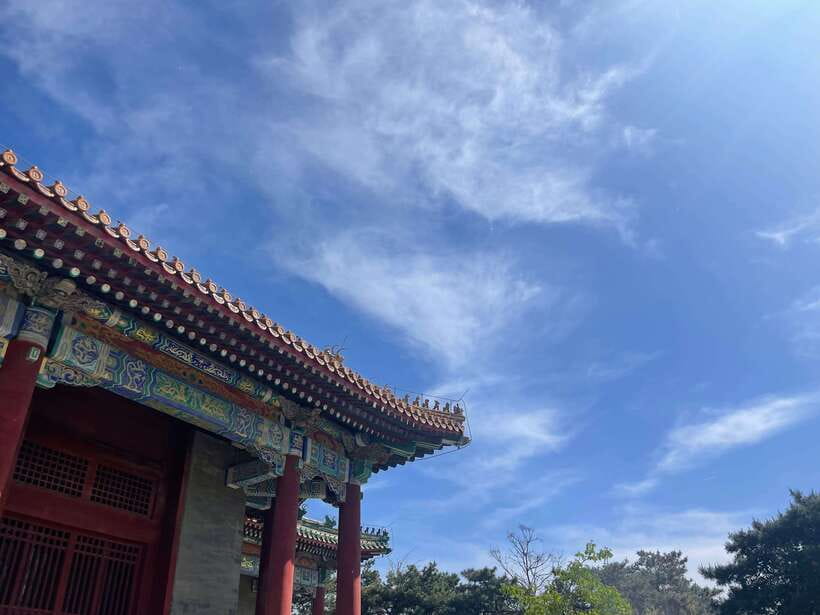
Kungfu is physical, even at beginner level. Wear loose clothing that lets you lift your arms, bend your knees, and take a wider stance. Comfortable shoes are sensible, since the lesson takes place in a traditional temple and hutong setting rather than a modern studio.
Bring an extra T-shirt. One participant specifically wished they had a change of clothes afterward, and that is useful advice for warm weather or anyone who works hard during practice.
The provider can supply traditional kungfu practice suits for purchase. The clothing includes an outer and inner piece along with trousers. You need to contact the provider to ask about size and color, so do not assume a suit is automatically included in the $45 price.
The class is scheduled for about one hour, but allow extra time for meeting the guide, walking through the hutong, introductions, photographs, and any tea ceremony. The activity listing says the booking remains valid for three days, with starting times checked through availability.
English is the stated language. Limeng’s translation makes the lesson accessible, but the master will still teach much of the class through demonstration. You should be prepared to watch carefully and copy movements as well as listen.
Is $45 a fair price in Beijing?
At $45 per person, this is not the cheapest way to fill an hour in Beijing. It is also not simply an exercise class. Your price covers a professional kungfu master, English assistance, practical instruction, and access to a culturally meaningful setting beside the Forbidden City.
The value depends on what you want. If you only want to see kungfu performed, a public demonstration may cost less and require less effort. If you want to try the movements yourself, ask questions, and receive corrections, this class offers something a sightseeing stop cannot.
The location adds real value. You are not traveling far from Beijing’s imperial center to find a generic activity. The temple and hutong setting make the lesson part of your visit to the city, rather than a separate appointment in an ordinary commercial venue.
The possible tea ceremony can add value for visitors who want more cultural context, but check whether it is part of your chosen booking. The optional practice suit is another separate purchase rather than a reason to assume the base price includes traditional clothing.
Free cancellation up to 24 hours before the activity and the reserve-now, pay-later option make it easier to fit the class into a changing Beijing schedule. These are useful safeguards, especially when your sightseeing plans depend on weather, tickets, or long days at major sights.
Who should book this experience?
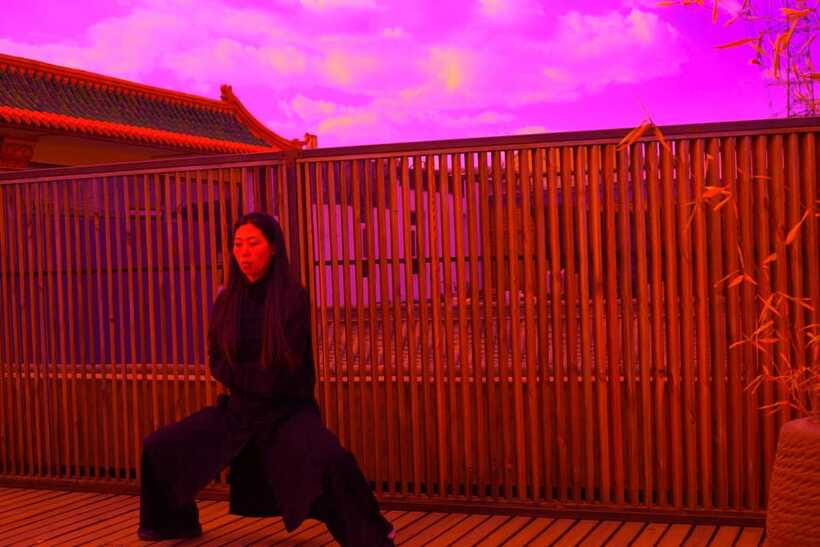
I would choose this class if you want to do something active near the Forbidden City and prefer meeting local teachers to simply moving from one landmark to the next.
It is a strong fit for:
- First-time martial arts students
- Solo visitors who may receive individual attention
- Couples and small groups
- Families with children who can follow physical instruction
- Visitors curious about Shaolin traditions
- Anyone who wants a practical introduction to self-defense
- People interested in combining tea culture with martial arts
You may want to skip it if you dislike physical activity, need a fully indoor training space, or want a long technical course. The class is an introduction, and its traditional setting may be less comfortable than a dedicated studio.
I also would not book it solely for a guaranteed private lesson. Individual attention has happened, but the available information does not promise a one-to-one format for every booking.
Should you book the Pudusi kungfu class?
Book it if you want a hands-on cultural experience with a strong Beijing setting. The combination of a Shaolin-trained master, English translation from Limeng, practical instruction, and a royal temple area near the Forbidden City gives the hour genuine character.
The best reason to go is not to master kungfu in one session. Go to learn a few basic movements, understand how a teacher connects traditional forms with self-defense, and practice in a place that makes the lesson feel tied to Chinese history and local life.
At $45, the class offers good value for visitors who want participation rather than another passive sightseeing stop. Wear comfortable clothes, bring a spare shirt, and ask about the tea ceremony or practice suit before booking. If those details suit your plans, this is an easy activity to fit into a Beijing visit.
FAQ
Where does the kungfu class take place?
The class takes place in Pudusi, an almost 700-year-old royal temple inheritance area in a hutong neighborhood beside the east gate of the Forbidden City.
How long is the kungfu class?
The kungfu lesson lasts about one hour. If you add the tea ceremony, allow about one additional hour for that part.
How much does the activity cost?
The listed price is $45 per person.
Is an English-speaking guide available?
Yes. English is provided, and Limeng acts as the guide and translator for the master’s instructions.
What type of kungfu will I learn?
The class introduces Shaolin kungfu and different styles of traditional Chinese kungfu. It includes basic training and practical uses of kungfu techniques.
Will I practice self-defense?
Yes. The lesson includes practical self-defense techniques, along with attack movements and basic kungfu exercises.
Is the class suitable for beginners?
Yes. The class teaches fundamentals and has been used as an introduction for people with no previous martial arts experience.
Can I buy a kungfu uniform?
Yes. Traditional practice suits with an outer piece, inner piece, and trousers are available for purchase. You need to contact the provider to ask about size and color.
Can I cancel the booking?
You can cancel up to 24 hours in advance for a full refund. The reserve-now, pay-later option lets you hold a place without paying immediately.
Latest additions around Beijing
- Private Hike from Beijing: Go Beyond The Jiankou and Mutianyu Great Wall★ 5.0 · 3 reviews
- Bullet Train Private Tour: Beijing Tiananmen Square, Forbidden City & Great Wall★ 5.0 · 3 reviews
- Private Great Wall Hiking Tour from Simatai West to Jinshanling★ 4.5 · 3 reviews
- Private Transfer for Beijing Airport PEK or PKX★ 5.0 · 3 reviews
- Private All-inclusive Jinshanling Great Wall 1-day tour★ 4.5 · 3 reviews
- Liyuan Theater Beijing Opera Show Tickets★ 5.0 · 3 reviews
- Private Jinshanling relax photo tour by sunset★ 5.0 · 3 reviews
- Beijing Night Tour with Acrobatics Show & PekingDuck Dinner★ 5.0 · 3 reviews
Kung Fu & Acrobatics Shows, compared.
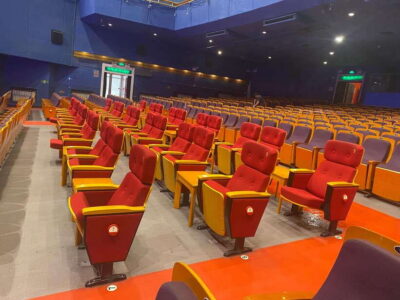
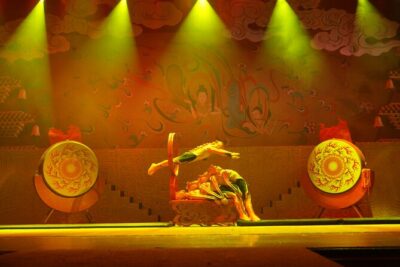
Red Theatre Beijing Acrobatic Show Tickets Official Booking
Read our review →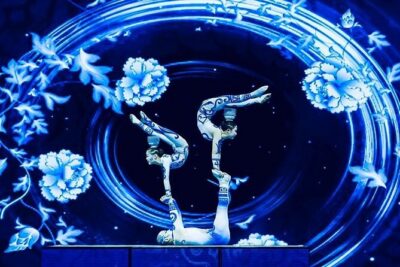
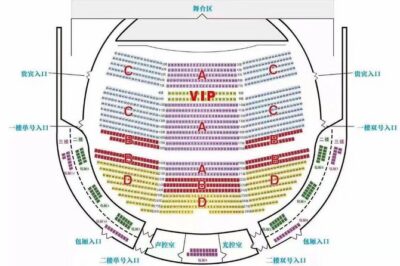
Beijing Golden Mask Dynasty Show with Private Transfer
Read our review →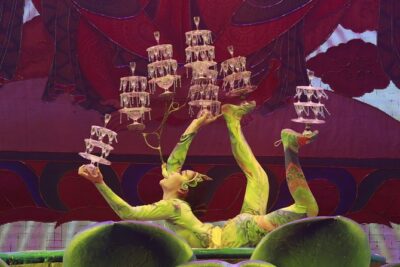
Beijing Roast Duck Banquet and Acrobatics Show with VIP Seats Evening Tour
Read our review →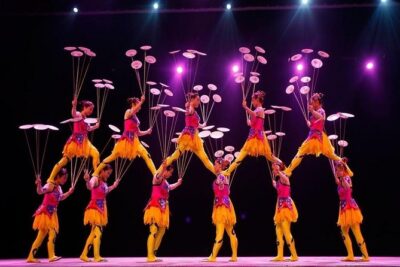
Beijing Red Theater Acrobatic Show with Private Transfer Service
Read our review →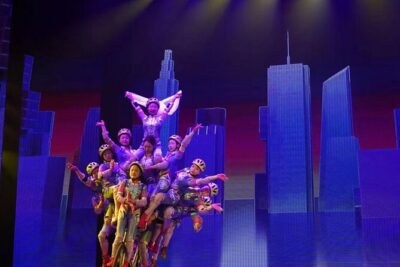
Beijing Red Theatre Acrobatic Show Tickets Official
Read our review →Browse the lists this tour appears in