
Reviewed · WORKSHOPS
Beijing: Dumpling Making Workshop with Meal and Tea
Beijing’s dumplings are more than a handy meal. Their shapes, fillings, and place on the table carry family stories and Lunar New Year meaning. In this three-hour class, you learn the practical skills, from rolling wrappers to making several folding patterns, then sit down to eat what you made. I like the friendly, social setup and the generous spread beyond dumplings. I also like that the English-speaking hosts explain the food’s place in Chinese life, not just the recipe.
The class is a good match for curious eaters, families, and anyone who wants an evening with people rather than another monument. The main consideration is that the fillings may be prepared for you, so this is more focused on dough handling, filling, shaping, and cooking than on making every ingredient from scratch. People with food allergies should not book.
In This Review
- Key points to know before booking
- Rolling dough and folding Beijing dumplings
- The cultural meaning behind a simple dumpling
- From the worktable to the shared meal
- A traditional hutong setting can add character
- What the $35 price really covers
- Who will get the most from this class
- Timing, clothing, and a few useful tips
- What the class does especially well
- Should you book the Beijing dumpling class?
- FAQ
- How long does the dumpling-making activity last?
- What time does the activity start?
- What does the dumpling class include?
- Is hotel pickup and drop-off included?
- Is the instruction in English?
- Do I make the dumpling dough and fillings?
- Is the activity suitable for vegetarians?
- Is the activity wheelchair accessible?
- Can I cancel for a full refund?
Key points to know before booking
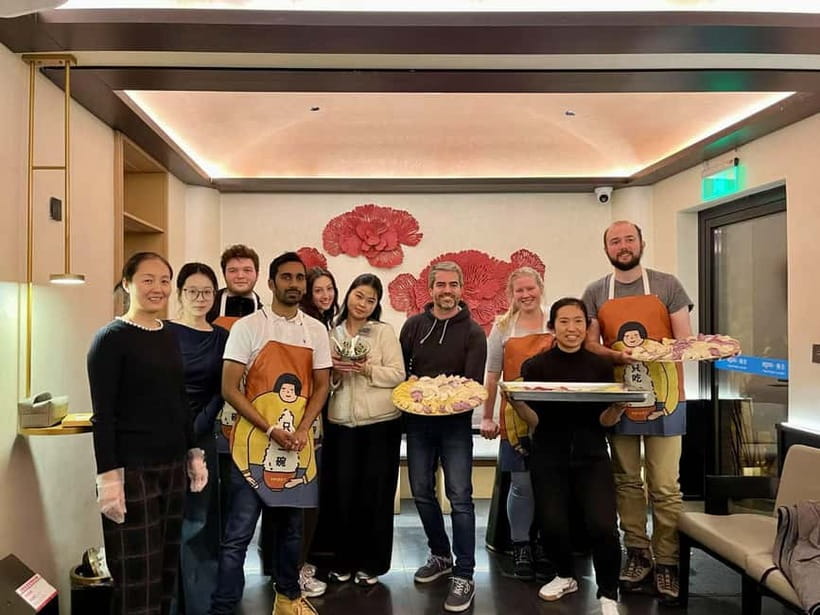
- The class begins at 16:30: Plan for a three-hour food-focused evening rather than a quick cooking demonstration.
- You shape the dumplings yourself: You learn to roll wrappers, fill them, and use several pinching and folding styles.
- The meal goes well beyond dumplings: Extra Chinese dishes, tea, beer, juice, water, and other drinks may be served.
- The setting can feel local: Some sessions take place in a traditional Beijing hutong, giving the meal a more personal backdrop than a standard restaurant.
- English instruction is included: Hosts such as Eric, Jenny, Janine, and Heyang have been praised for clear, patient teaching.
- The price is strong for a full evening: At $35 per person, the class combines instruction, food, drinks, and cultural context.
Rolling dough and folding Beijing dumplings
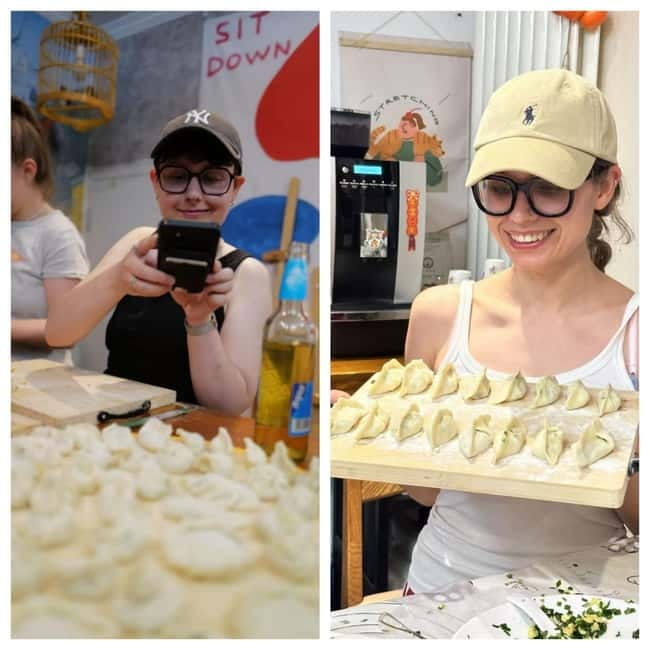
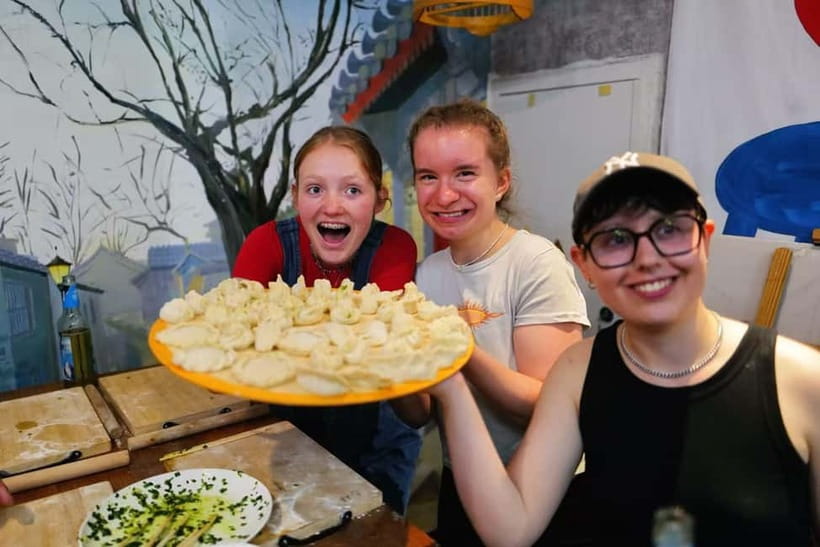
The class begins with the basic mechanics of dumpling making. You get your hands into the process, working with dough, rolling wrappers, adding filling, and closing each dumpling so it holds together in the pot or pan.
This is not a polished cooking show where you sit back and watch a chef perform. You are expected to make things. That matters because the skill is in the small movements: keeping the wrapper thin but sturdy, placing the right amount of filling in the center, and sealing the edge without trapping too much air.
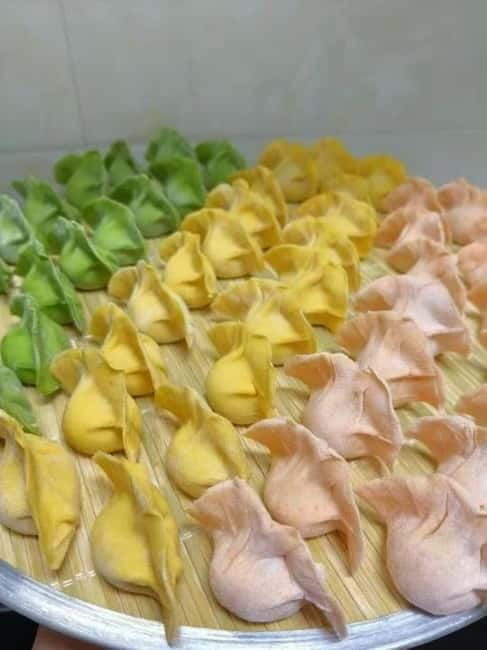
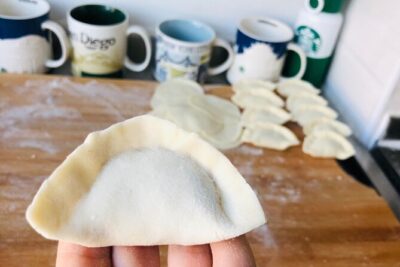
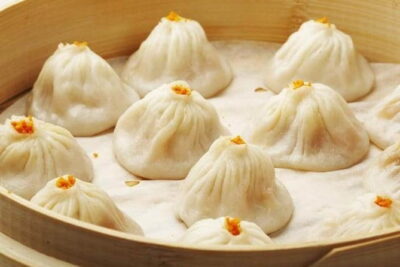
The instructors demonstrate several ways to pinch and fold. One session may produce dozens of dumplings, with meat and vegetable fillings prepared for the group. You might make a neat crescent, a simpler folded shape, or something that looks more like a floury little parcel. The point is not to produce restaurant-perfect dumplings on your first attempt. It is to learn a method you can try again at home.
The teaching style appears to be one of the class’s strongest features. English-speaking instructors including Jenny, Janine, Eric, Lan, Heyang, and his sister have been singled out for patience, clear explanations, and a light touch. The exact host can vary, but the useful thing for you is that the instruction is step by step rather than rushed.
One detail is worth checking mentally before you book: the experience description says you learn to knead dough and craft fillings, but a recent session used premade fillings and did not include making the dough from the start. In practice, the focus may be on rolling, filling, and shaping. If you want a full pastry lesson with every ingredient made from scratch, this may feel limited. If you mainly want to learn the difficult folding work and eat well afterward, it fits nicely.
A few more Beijing options to compare side by side
- Beijing Calligraphy Class
★ 4.9 · 112 reviews - Chinese Calligraphy Class for Small Group
★ 5.0 · 104 reviews - Online Cooking Class Beijing Dumplings and Cuisine by Sunflowerli Renowned Chef
★ 5.0 · 65 reviews
The cultural meaning behind a simple dumpling
A good food class gives you more than a recipe. Here, the guide explains why dumplings matter in Chinese cooking and family life, including their connection with Lunar New Year and regional variations.
Dumplings are especially useful as a way into Chinese culture because they are both ordinary and symbolic. Families make them together, shape them by hand, and share them at the table. The class gives you a chance to understand that ritual through your own flour-dusted hands rather than through a museum label.
The guide may also explain how different parts of China use different fillings, wrappers, and cooking methods. You are not simply copying a dish. You are hearing why dumplings can be boiled, pan-fried, and served in different local styles.
That context is handled while you work, so the evening does not become a lecture. You listen, ask questions, and keep shaping. The social rhythm is part of the appeal. You may be cooking beside a family, a couple, or a small group of people who are also figuring out how to close the edges without making a mess.
From the worktable to the shared meal
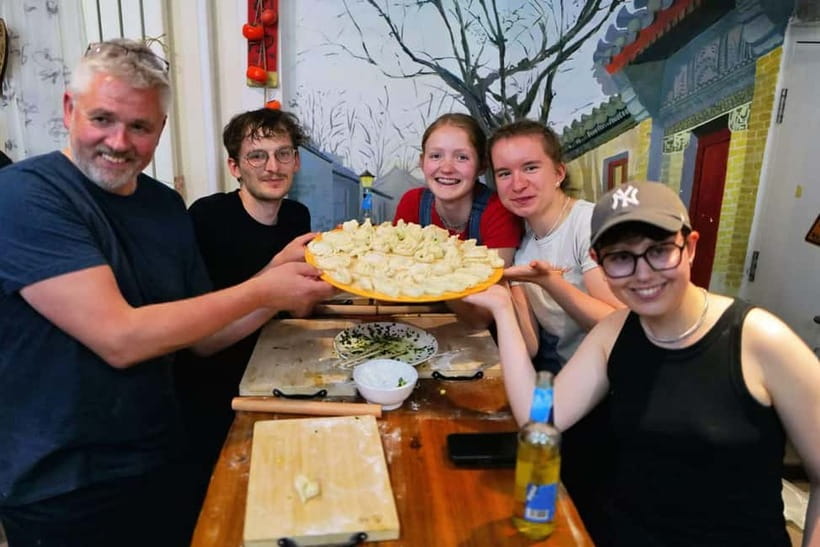
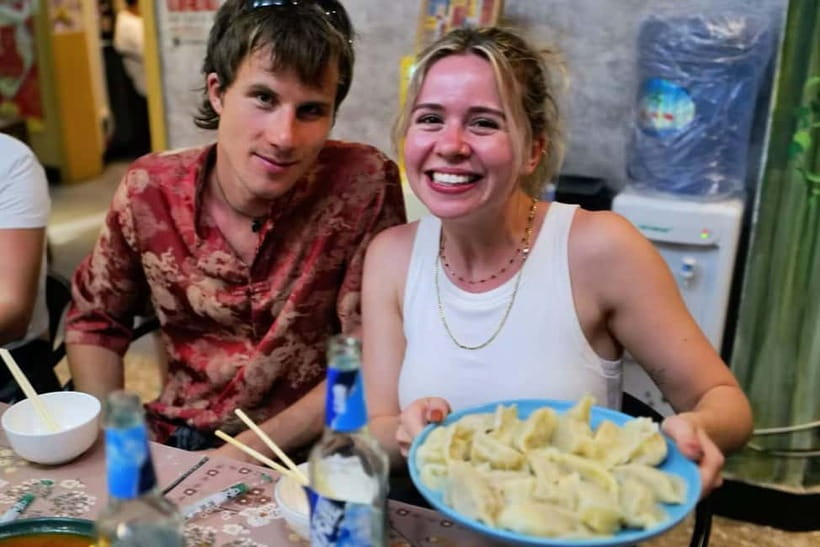
Once the dumplings are ready, they are cooked for you to eat together. Expect a choice of textures, such as silky boiled dumplings or crisp pan-fried ones, depending on the preparation offered that day.
The result is more substantial than a tasting. Several sessions have included a full spread with extra Chinese dishes such as Kung Pao chicken, egg with tomato, cabbage, and breaded chicken. The exact menu can vary, but the supplied details make clear that you are not limited to the dumplings you shaped.
That is good news if you arrive hungry. The class includes tea pairing, and beer, water, juice, and other beverages may also be available. You get the chance to compare the dumplings with familiar dishes and to see how they fit into a larger Chinese meal.
The meal is communal, which gives the evening its easygoing character. You can talk while the dumplings cook, compare folding attempts, and share the table rather than eating alone at a restaurant. For families, this adds a playful task to the meal. For couples, it provides a low-pressure activity. For solo visitors, it creates a natural way to meet people without needing to force conversation.
Tea is not an afterthought here. It gives the meal a distinctly Chinese finish and adds a slower pause after the hands-on work. If you normally rush from one Beijing sight to the next, this is a useful change of pace.
A traditional hutong setting can add character
Some sessions are held in a traditional Beijing hutong, a type of neighborhood made up of narrow lanes and courtyard homes. One meeting point has been described as the lobby of the Scared Hotel, close to the map pin provided for the activity.
You should follow the meeting instructions carefully. The activity does not include hotel pickup or drop-off, and the guide meets you at the stated hotel lobby. Beijing’s streets can be confusing, especially after dark or when map pins are not perfectly aligned. One booking party became lost and missed the class, so allow extra time to reach the meeting point and keep the host’s contact details handy.
The hutong setting, when used, helps the class feel less like a tourist kitchen and more like an evening in a local neighborhood. Still, you should not assume every session has exactly the same room or setting. The available information describes a comfortable and attractive venue, but the activity details do not promise a particular courtyard, view, or kitchen layout.
That uncertainty is minor for most people because the main value lies in the cooking and meal. It matters more if the physical setting is a major reason you are booking. Ask the operator for the exact meeting point and venue details if you want to plan the route precisely.
Swap the crowds for a different corner of Beijing:
- From Beijing: Mutianyu Great Wall Tours with Options
★ 4.9 · 9,216 reviews - Beijing: Forbidden City Tour(Group/Private)-Tickets Included
★ 4.8 · 7,974 reviews - Beijing: T-Square & Forbidden City Group or Private Tour
★ 4.8 · 4,446 reviews - Beijing: Mutianyu Great Wall Daily Tour with Ticket & Lunch
★ 5.0 · 3,056 reviews
What the $35 price really covers
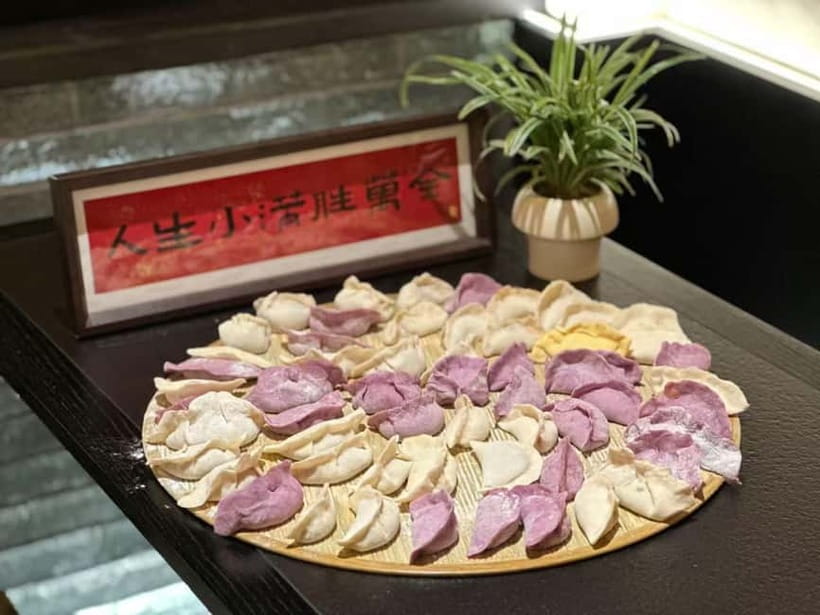
At $35 per person, this is a good-value Beijing evening if you count the whole package rather than just the cooking lesson.
You receive three hours of instruction, ingredients, tea, the dumplings you make, extra food, and a range of beverages that may include beer. A three-hour meal alone can approach this cost in a central city restaurant, while a private cooking class often costs much more. Here, the food is both the lesson material and dinner.
The value improves if you enjoy social activities. You are paying for guided practice, cultural explanation, and a shared table, not only for a plate of dumplings. The experience gives you a skill to take home, although your first homemade batch may not look quite as tidy as the instructor’s.
There are limits. Hotel transfers are not included, and the class starts at 16:30, so you need to arrange your own way there. The price also does not guarantee that you will prepare every component from scratch. If making dough and fillings is your top priority, confirm the exact format before paying.
The activity has a 4.7 rating from 69 ratings, and the strongest pattern is clear: people value the friendly hosts, patient demonstrations, generous amount of food, and relaxed group mood. That matches the structure of the experience. It is not trying to be a formal culinary school. It is a warm, practical introduction to one part of Chinese food culture.
Who will get the most from this class
I would choose this for you if you want an evening that combines food, conversation, and a simple hands-on skill. It works particularly well after a day of sightseeing, when you want to sit down but do not want another passive meal.
It suits:
- First-time visitors who want a gentle introduction to Chinese dining customs
- Families with children who enjoy making things with their hands
- Couples looking for a shared activity
- Solo visitors who prefer a communal evening
- Vegetarians, provided you confirm the available fillings and dishes
- Anyone who wants to learn folding techniques they can repeat at home
One participant specifically noted that the meal was friendly to vegetarians. Still, the supplied information does not promise a fully vegetarian menu, so tell the operator your needs before booking.
I would be cautious if you have food allergies. The activity is listed as unsuitable for people with food allergies, which is a firm warning rather than a minor footnote. Smoking is also not allowed.
Wheelchair access is listed, but you may still want to confirm the exact meeting route and room setup, especially if the class takes place in an older hutong building. Accessibility can depend on the specific venue.
Timing, clothing, and a few useful tips
The class begins at 16:30 and lasts three hours, making it an early evening meal. Do not schedule a major attraction across town immediately afterward. The dumpling session may finish around 19:30, and Beijing traffic or subway transfers can take time.
Wear comfortable clothes. You will be handling flour, filling, and food for much of the class, so a relaxed outfit is more practical than something you need to keep immaculate. Smoking is not allowed.
Book at least 12 hours ahead. You can reserve now and pay later, which helps if your Beijing schedule may shift. Cancellation is free up to 24 hours before the activity for a full refund.
The most important practical tip is simple: arrive early. The class does not include pickup, and the meeting point can be easy to miss. If you are staying in a hotel, ask the front desk to help confirm the address in Chinese. Keep the location details open on your phone, and do not rely on finding the venue at the last minute.
What the class does especially well
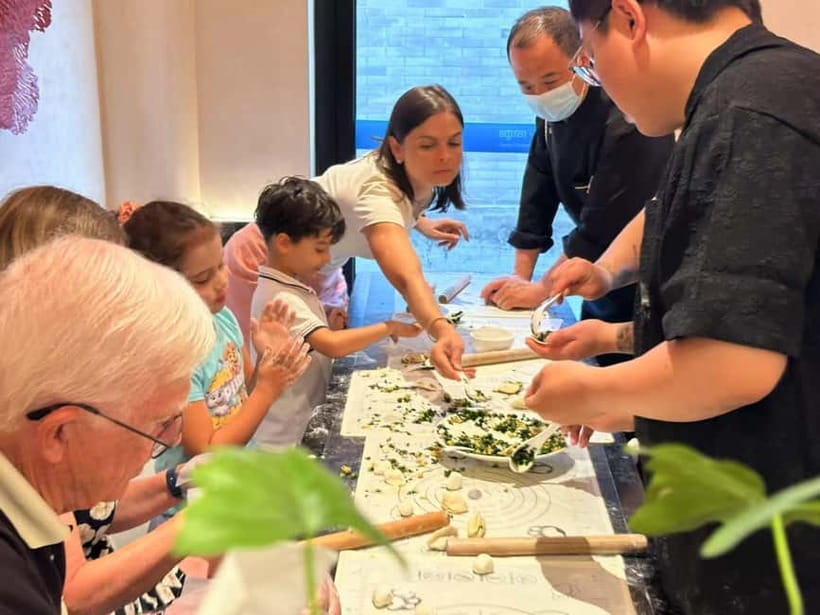
The best part of this experience is its human scale. You are not being moved from one sight to another. You are sitting at a table, learning from people such as Eric, Jenny, Janine, or Heyang, and turning basic ingredients into dinner.
The instructors have been praised for good English and clear demonstrations. That is important in a class built around hand movements. A quick demonstration without explanation would leave you guessing, but patient teaching lets beginners keep up.
The second strength is the amount of food. The dumplings are the main event, yet extra dishes and drinks make the meal feel generous. You can finish the class with a full dinner, not just a few samples.
The third is the social mood. You share the work, wait for the dumplings to cook, and eat with the group. It is a joyful gateway into Chinese food customs without demanding prior cooking skill.
The weak point is consistency in how much you make from scratch. One participant wished they had prepared the dough and fillings, while others described making dough and filling dumplings themselves. Treat the experience as a shaping and shared-meal class first, and you are less likely to expect a full professional kitchen lesson.
Should you book the Beijing dumpling class?
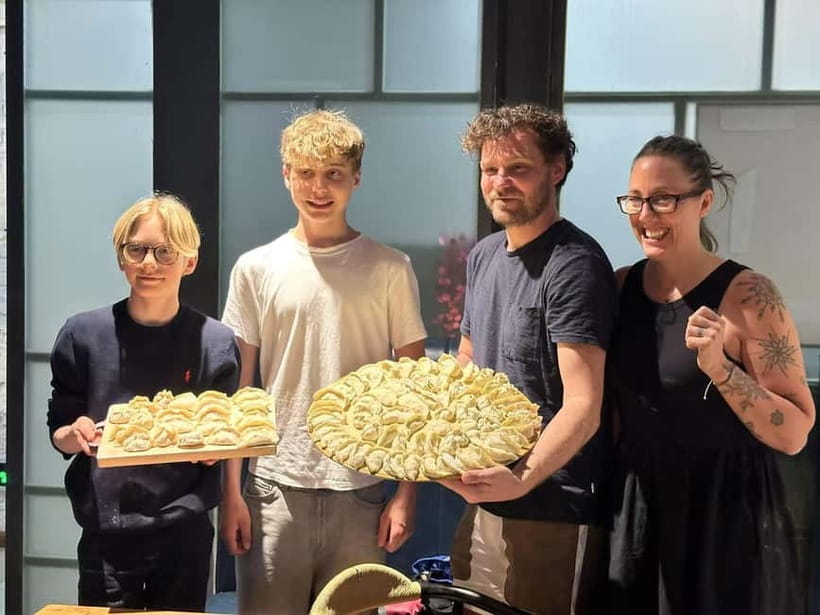
Yes, if you want a relaxed, food-centered evening and understand that the class may focus more on rolling, filling, and folding than on preparing every ingredient yourself.
At $35, the combination of three hours, instruction, a substantial meal, tea, and drinks is appealing. The patient English-speaking hosts and hutong setting add character, while the communal table gives you a natural way to connect with other people.
I would skip it only if you have food allergies, need hotel transport, or want a highly technical cooking course with precise measurements and full preparation from scratch. For most people, this is a cheerful and useful way to spend an evening in Beijing, with a skill you can carry home and a meal you helped create.
FAQ
How long does the dumpling-making activity last?
The class lasts three hours.
What time does the activity start?
The activity starts at 16:30.
What does the dumpling class include?
It includes the three-hour class, all dumpling-making ingredients, tea with the meal, other foods, and beverages that may include beer.
Is hotel pickup and drop-off included?
No. Hotel pickup and drop-off are not included. You meet the guide at the stated hotel lobby.
Is the instruction in English?
Yes. The instructor language is English.
Do I make the dumpling dough and fillings?
The activity description includes kneading dough and crafting fillings, but the exact format can vary. Some sessions use prepared fillings and focus on rolling, filling, and folding.
Is the activity suitable for vegetarians?
Vegetarian-friendly food has been available in some sessions, but a fully vegetarian menu is not guaranteed. Contact the operator about your requirements before booking.
Is the activity wheelchair accessible?
Yes. The activity is listed as wheelchair accessible.
Can I cancel for a full refund?
Yes. You can cancel up to 24 hours in advance for a full refund. Booking at least 12 hours in advance is required.
Latest additions around Beijing
- Private Hike from Beijing: Go Beyond The Jiankou and Mutianyu Great Wall★ 5.0 · 3 reviews
- Bullet Train Private Tour: Beijing Tiananmen Square, Forbidden City & Great Wall★ 5.0 · 3 reviews
- Private Great Wall Hiking Tour from Simatai West to Jinshanling★ 4.5 · 3 reviews
- Private Transfer for Beijing Airport PEK or PKX★ 5.0 · 3 reviews
- Liyuan Theater Beijing Opera Show Tickets★ 5.0 · 3 reviews
- Private Jinshanling relax photo tour by sunset★ 5.0 · 3 reviews
- Private All-inclusive Jinshanling Great Wall 1-day tour★ 4.5 · 3 reviews
- Beijing Night Tour with Acrobatics Show & PekingDuck Dinner★ 5.0 · 3 reviews
Workshops, compared.
Online Cooking Class Beijing Dumplings and Cuisine by Sunflowerli Renowned Chef
Read our review →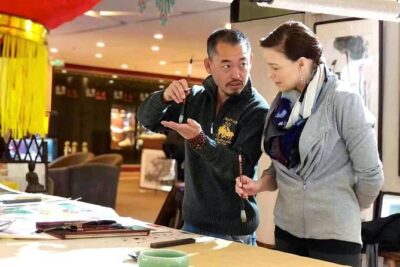
Beijing Wangfujing Calligraphy Class by Forbidden City
Read our review →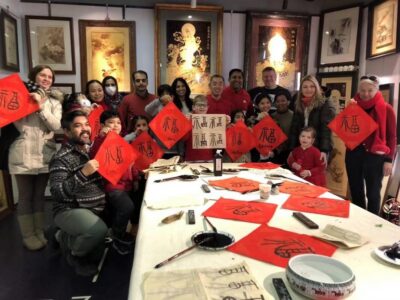
Beijing Wangfujing Calligraphy Class Nearby Forbidden City
Read our review →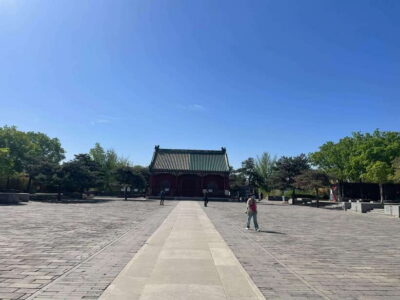
Chinese Kungfu class in old temple beside Forbidden Ci
Read our review →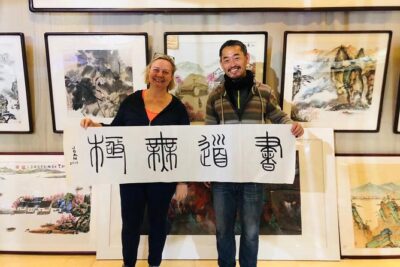
Din Tai Fung Dinner and VIP Class River Cruise Experience in Shanghai
Read our review →Browse the lists this tour appears in