
Reviewed · CALLIGRAPHY & INK ART CLASSES
Noon Calligraphy Class
Chinese calligraphy turns a simple lesson into a small cultural encounter. At the Hutong Calligraphy Class, you learn how brush, ink, rice paper, and ink stone work together, then practice Chinese characters under an art teacher’s guidance. The activity is based at No. 8 Wangfujing Dongjie, beside the Hilton Beijing Wangfujing.
I like the calm, hands-on pace and the fact that you create a piece to take home. I also like the choice of 30-minute, 1-hour, or 1.5-hour sessions, which makes this easy to fit into a Beijing sightseeing day. The main consideration is that calligraphy is harder than it looks, so a short session gives you a pleasant introduction, not mastery.
In This Review
- Key points to know before booking
- A quiet hour with a Chinese brush
- Meeting at Wangfujing Dongjie
- What happens during the calligraphy lesson
- Richard, Li, and the value of a good teacher
- Why the practice feels almost meditative
- Choosing 30 minutes, 1 hour, or 1.5 hours
- What you take home
- Who will enjoy this most
- Practical details that affect your decision
- The main strengths and the one real limitation
- Should you book the Hutong Calligraphy Class?
- FAQ
- Where does the calligraphy class meet?
- How long does the class last?
- How much does the experience cost?
- Are calligraphy supplies provided?
- Can I choose the class time?
- Is the class suitable for children?
- How many people can join the class?
- Does the activity include transportation?
- Can I cancel for a refund?
Key points to know before booking
- Practice comes before the final piece: You get time to work on brush control before creating something to take home.
- The teacher matters: Richard and Li are specifically praised in the supplied comments, with Richard noted for kindness and Li for practiced instruction.
- Several class lengths are available: Choose 30 minutes, 1 hour, or 1.5 hours when booking.
- The setting is central: The class meets at No. 8 Wangfujing Dongjie, at the Hilton Beijing Wangfujing.
- The lesson has cultural depth: Expect discussion of seal carvings, rice paper, ink stones, and the meaning behind the characters.
- It suits families and couples: Children may participate with an adult, and the group size is capped at 15 people.
A quiet hour with a Chinese brush
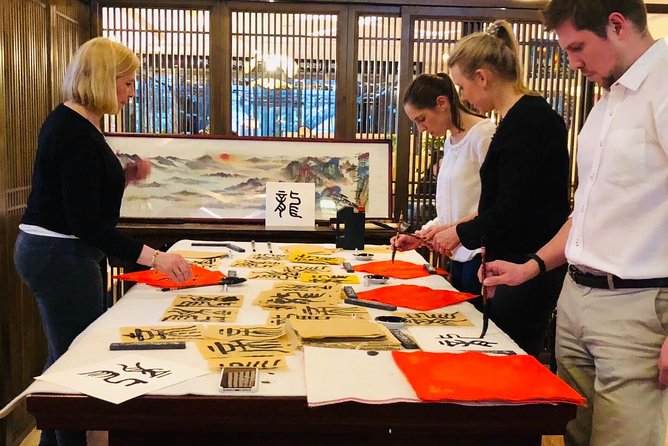
The best part of this Beijing activity is its change of rhythm. Wangfujing is a major city-center address, but the class asks you to slow down and pay attention to the movement of your hand. Instead of rushing from one sight to the next, you spend time learning how a brush touches paper.
That physical quality is central to Chinese calligraphy. A character is not simply copied letter by letter. The line records pressure, direction, timing, and movement. Your first attempts may be uneven, but that is part of the lesson. You begin to see why brushwork is treated as an art form rather than ordinary handwriting.
The class is also a useful choice on a rainy day or during a spare hour between major sights. It does not require a full-day commitment, and you do not need previous calligraphy experience. The basic materials are supplied, so you can arrive without buying brushes or ink.
More calligraphy and ink art classes:
- Beijing Calligraphy Class
★ 4.9 · 112 reviews - Chinese Calligraphy Class for Small Group
★ 5.0 · 104 reviews - Beijing Historic City Guided Walking Tour + Calligraphy Creation
★ 5.0 · 59 reviews
Meeting at Wangfujing Dongjie
The meeting point is Hilton Beijing Wangfujing, at No. 8 Wangfujing Dongjie in Dongcheng District. The address is also written in Chinese as 北京东城区王府井东街8号, which is useful to show a taxi driver or use when checking directions.
This central location makes the class easy to pair with time in Wangfujing. You can schedule it before or after shopping, sightseeing, or a meal in the area. The activity ends back at the same meeting point, so there is no need to arrange a separate return transfer.
The class is near public transportation, but the supplied information does not identify a particular subway exit or walking route. I would allow a little extra time to find the Hilton entrance, especially if you are navigating Beijing for the first time. Your booking confirmation arrives at the time of booking, so keep the address available on your phone.
What happens during the calligraphy lesson
The class covers the basic tools and ideas behind Chinese calligraphy. You learn about brushes, rice paper, ink, and ink stones, along with seal carvings. These are not just decorative props. Each item affects how the final marks appear.
A brush responds differently depending on how much ink it holds and how much pressure you apply. Rice paper absorbs ink quickly, so a hesitant stroke can look very different from a confident one. The ink stone is part of the traditional process of preparing ink. Even a short lesson gives you a sense of how many small choices sit behind a finished character.
The teacher demonstrates strokes and explains what to watch for. You then practice. This practice period is important because it lets you adjust your grip and movement before working on a final piece. The lesson is not built around simply watching a demonstration. You use the supplies yourself.
The activity description presents calligraphy as the artistic expression of language in a physical form. That idea becomes clearer when you work with the brush. The character is both a word and a record of how it was made. The lesson also connects the writing to Chinese culture, so you are learning more than a set of shapes.
Richard, Li, and the value of a good teacher
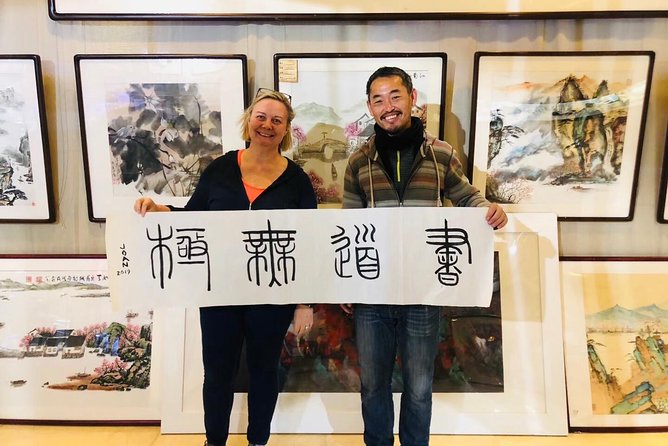
The supplied comments name Richard and Li as instructors. Richard is described as kind, informative, and passionate about calligraphy. Li is praised for giving practiced instructions and helping a participant accomplish a lot in a short time.
Those details matter because the class is brief. A teacher who can explain the basics clearly helps you spend less time wondering what to do with the brush and more time practicing. The comments also point to a light-hearted mood that becomes calmer as the class settles down.
I would not book this expecting a formal art-school course. The available information points to an accessible introduction for adults and children, with plenty of opportunity to ask questions. You should leave with a better feel for the tools, strokes, and cultural meaning, along with a piece of your own work.
The teacher also explains the meaning behind the words being written. That adds a useful layer to the activity. You are not only copying a pattern for its appearance. You are connecting the shape to language and Chinese ideas.
A few more Beijing options to compare side by side
- Beijing: Dumpling Making Workshop with Meal and Tea
★ 4.7 · 69 reviews - Online Cooking Class Beijing Dumplings and Cuisine by Sunflowerli Renowned Chef
★ 5.0 · 65 reviews - Beijing Wangfujing Calligraphy Class by Forbidden City
★ 5.0 · 58 reviews - Beijing Wangfujing Calligraphy Class Nearby Forbidden City
★ 5.0 · 56 reviews
Why the practice feels almost meditative
Several parts of the experience are designed around concentration. You hold the brush, guide it across the paper, and watch the ink spread. This simple sequence can feel surprisingly absorbing, especially after a busy day in Beijing.
The calm comes from the need to slow down. A brushstroke cannot be hurried in the same way as a pencil mark. You must pay attention to where the brush begins, how it moves, and when it lifts from the paper. The activity comments describe this as feeling like a morning meditation, and that is a fair way to understand its appeal.
The lesson can also help you notice the difficulty of Chinese characters. A character may look simple on a sign, but producing it with a brush requires control. You might leave with a new respect for the work involved in handwritten Chinese, even if your own final piece is far from perfect.
That is part of the charm. This class is not about pretending you can become a calligrapher in one hour. It is about trying a traditional art with enough guidance to make the attempt satisfying.
Choosing 30 minutes, 1 hour, or 1.5 hours
The booking options include 30-minute, 1-hour, and 1.5-hour classes. The tour summary lists the experience as approximately one hour, so check the selected option carefully when you reserve.
The 30-minute session is best if you have a tight schedule or want a quick introduction. It should give you a taste of the tools and basic strokes, but the practice time will be limited. If you want to slow down and produce a final piece with less pressure, the one-hour option is the sensible middle choice.
The 1.5-hour class gives you the most room to ask questions and repeat strokes. It is likely the better pick for families, anyone especially interested in Chinese culture, or people who want more time with the brush. The supplied information does not specify different content for each duration, so the main difference appears to be the amount of time available.
At $20 per person, the experience offers good value for a central Beijing cultural activity, particularly when supplies and instruction are included. The value is strongest if you take part actively rather than treating it as a demonstration. You are paying for an art lesson, materials, cultural explanation, and a personal keepsake in a convenient location.
Group discounts are available, which may make the longer option more appealing for families or friends. The class accepts a maximum of 15 participants, so it is still a small enough group for a shared activity, though the exact feel can vary depending on attendance.
What you take home
The final calligraphy piece is a useful souvenir because it records your participation. It is not a mass-produced item bought in a shop. You made it while learning how the brush works.
Do not judge the value of the piece by whether every stroke is perfect. The purpose is to remember the process, the teacher’s guidance, and the moment you tried to write Chinese characters with traditional tools. The comments describe practicing before producing a final work to take home, which is a good sign for beginners who want more than one attempt.
You might also gain a more practical souvenir: a better eye for calligraphy seen around Beijing. After the class, shop signs, inscriptions, seals, and museum displays may seem less mysterious. You will recognize that line quality and spacing carry meaning beyond the literal character.
Who will enjoy this most
I would recommend this activity to several kinds of visitors:
- First-time visitors to China who want a cultural activity beyond major monuments.
- Couples looking for a shared experience that is quieter than a food tour or shopping trip.
- Families with children, as long as an adult accompanies each child.
- Language learners, since the class connects written characters with their meaning and form.
- Rainy-day planners, because the indoor lesson can replace an outdoor sightseeing plan.
- Art beginners, since supplies and instruction are included.
It is less suitable if you want a fast, highly active attraction or a major historical tour. The class is about focus and practice. You need to be willing to sit down, repeat strokes, and accept that the first attempts may look awkward.
It may also disappoint experienced calligraphers looking for advanced technique. The available description presents it as an introductory class, not a specialist workshop. Its strength is access: you can try an important Chinese art without bringing prior skill.
Practical details that affect your decision
Confirmation is provided at booking, and the activity has a mobile ticket. That is useful in Beijing, where keeping the Chinese address and booking details on your phone can simplify directions.
Children must be accompanied by an adult. Most people can participate, and the class is near public transportation. The group limit is 15, but the exact number in your session is not provided.
The experience is offered at multiple daily times. I would choose the time that gives you breathing room, rather than squeezing it between two distant attractions. The class may last only an hour, but finding your way through central Beijing and arriving at the Hilton can take more time than the lesson itself.
Free cancellation is available if you cancel at least 24 hours before the start time. Cancellations made less than 24 hours in advance are not refunded, and late changes are not accepted. The cut-off follows local Beijing time.
The main strengths and the one real limitation
The strongest feature is the teacher-led practice. You are not left alone with a brush and a sheet of paper. Richard and Li are both specifically associated with clear, kind instruction, and the class allows questions as you work.
The second strength is the balance between making something and learning why it matters. The discussion of seal carvings, ink stones, rice paper, and brush movement gives context to the activity. You come away with a physical souvenir and a clearer idea of calligraphy’s place in Chinese culture.
The main limitation is time. Even 1.5 hours is only an introduction to a demanding art. A one-hour class may pass quickly, especially once you begin practicing. If calligraphy is a major interest, select the longest available session and treat the work as a first step rather than a finished skill.
Should you book the Hutong Calligraphy Class?
Book it if you want a reasonably priced, central Beijing activity that is personal, quiet, and culturally focused. At $20, with supplies included and several daily start times, it fits easily into a city itinerary. I especially like it for a rainy day, a family outing, or a couple seeking something more memorable than another sightseeing stop.
Choose the 30-minute session only if your schedule is tight. For most people, the 1-hour class should offer the right balance, while the 1.5-hour option makes better sense if you want more practice or have a strong interest in Chinese writing.
Skip it if you are looking for a major attraction, advanced artistic training, or a tour filled with movement. This is a short lesson, but it asks for attention. If you are happy to slow down and let your brush show you how difficult a simple line can be, it is a worthwhile addition to time in Wangfujing.
FAQ
Where does the calligraphy class meet?
The class meets at Hilton Beijing Wangfujing, No. 8 Wangfujing Dongjie, Dongcheng District, Beijing. The Chinese address is 北京东城区王府井东街8号.
How long does the class last?
You can choose a 30-minute, 1-hour, or 1.5-hour class when booking. The general tour description lists the activity as approximately one hour.
How much does the experience cost?
The listed price is $20 per person. Group discounts are available.
Are calligraphy supplies provided?
Yes. Calligraphy supplies are included for use during the class.
Can I choose the class time?
Yes. Multiple daily class times are available, allowing you to select a time that fits your Beijing schedule.
Is the class suitable for children?
Yes, children can participate, but they must be accompanied by an adult.
How many people can join the class?
The activity has a maximum group size of 15 participants.
Does the activity include transportation?
No transportation is listed as included. The class begins and ends at the meeting point, and the location is near public transportation.
Can I cancel for a refund?
Yes. You can receive a full refund if you cancel at least 24 hours before the experience start time. Cancellations or changes made less than 24 hours before the start time are not accepted for a refund.
Latest additions around Beijing
- Private Hike from Beijing: Go Beyond The Jiankou and Mutianyu Great Wall★ 5.0 · 3 reviews
- Bullet Train Private Tour: Beijing Tiananmen Square, Forbidden City & Great Wall★ 5.0 · 3 reviews
- Private Great Wall Hiking Tour from Simatai West to Jinshanling★ 4.5 · 3 reviews
- Private Transfer for Beijing Airport PEK or PKX★ 5.0 · 3 reviews
- Liyuan Theater Beijing Opera Show Tickets★ 5.0 · 3 reviews
- Private Jinshanling relax photo tour by sunset★ 5.0 · 3 reviews
- Private All-inclusive Jinshanling Great Wall 1-day tour★ 4.5 · 3 reviews
- Beijing Night Tour with Acrobatics Show & PekingDuck Dinner★ 5.0 · 3 reviews
Calligraphy & Ink Art Classes, compared.
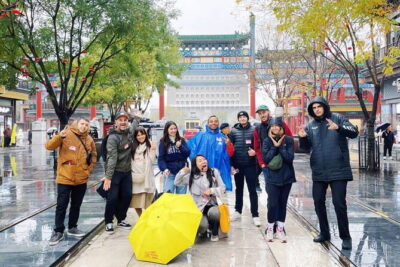
Beijing Historic City Guided Walking Tour + Calligraphy Creation
Read our review →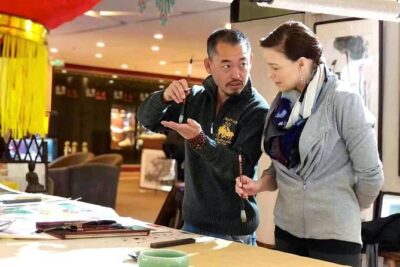
Beijing Wangfujing Calligraphy Class by Forbidden City
Read our review →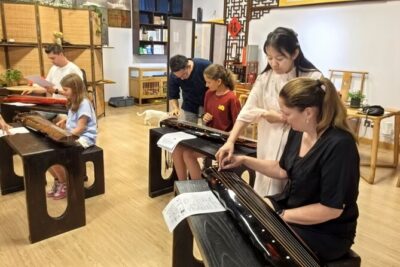
Beijing Culture: Tea Ceremony, Heritage Instrument & Calligraphy
Read our review →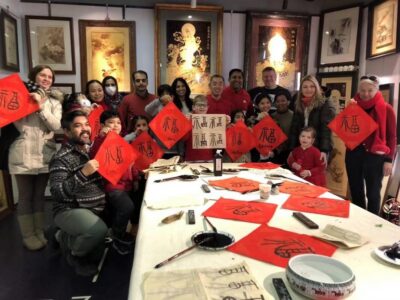
Beijing Wangfujing Calligraphy Class Nearby Forbidden City
Read our review →
Discover Old Beijing: Hutong Walking Tour & Calligraphy
Read our review →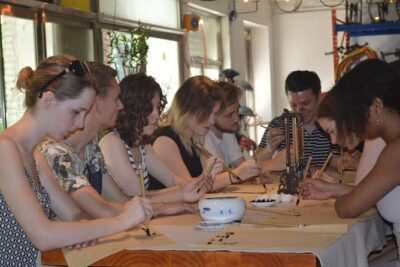
4-Hour Private Tour of Calligraphy Class, Hutong and Dumplings
Read our review →Browse the lists this tour appears in