
Reviewed · CALLIGRAPHY & INK ART CLASSES
Beijing liulichang : Learn Calligraphy orCarving from Master
The most appealing part of this Liulichang experience is that you do not simply watch an artisan work. You choose one traditional art form and make something yourself, from brush-written Chinese characters to a carved name seal. I like the personal choice and the quiet studio setting, which feels far removed from Beijing’s crowded sightseeing stops.
I also like the way the session begins with a short walk through Liulichang East Street, giving you a bit of local context before the workshop. The main consideration is time: two to two and a half hours is enough for a satisfying introduction, but not enough to master calligraphy or carving. Seal carving, especially, requires patience and careful practice.
In This Review
- Key points to know before booking
- Why Liulichang is the right place for a hands-on art class
- The workshop begins with a choice
- Calligraphy: a focused lesson in brush control
- Fan painting: a useful souvenir with a personal touch
- Seal carving: the most memorable option for patient hands
- What the master artisan adds
- A calm break from Beijing’s major sights
- What the $75 price includes
- Timing, access, and practical planning
- Which art form should you choose?
- Who will get the most from this experience?
- Should you book the Liulichang workshop?
- FAQ
- Where does the activity meet?
- How long does the experience last?
- Which activities can I choose from?
- Do I need previous artistic experience?
- What materials are provided?
- Can I take my artwork home?
- Is the activity available in English?
- Is the workshop wheelchair accessible?
- Can I cancel for a refund?
Key points to know before booking
- Choose one of three traditional arts: Calligraphy, silk fan painting, or Chinese seal carving.
- Meet at Liulichang East Street: Look for the guide holding a Sino-Voyages sign at the small square entrance.
- Practice comes before the final piece: Seal-carving participants work on sample stones before carving the actual seal.
- Expect close guidance: English and Chinese instruction is available, with private and small-group formats offered.
- Take home something you made: Your artwork becomes a personal souvenir rather than another shop purchase.
- Allow two to two and a half hours: The session includes a short area introduction, instruction, practice, and the finished project.
Why Liulichang is the right place for a hands-on art class
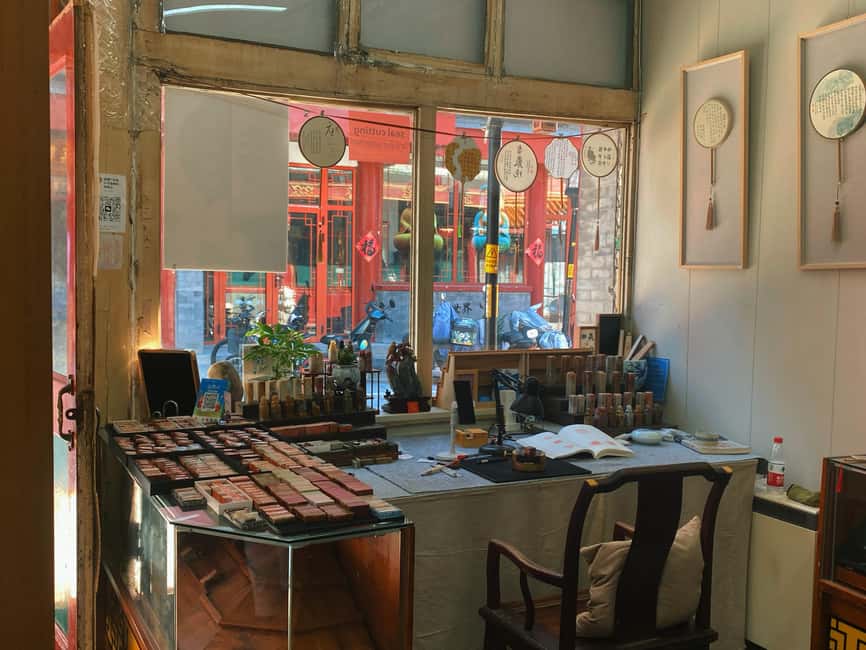
Liulichang is one of Beijing’s best areas for traditional arts, calligraphy, books, painting, and antiques. The activity begins at the small square entrance of Liulichang East Street, not inside the workshop itself. That meeting point matters because the short walk helps you understand the setting before you sit down to work.
Your guide leads you through part of the cultural district and shares local stories, older customs, and personal details about the area. It is not a long historical tour, so do not book this expecting a full walking tour of Beijing. Instead, think of it as a useful introduction that gives the class a sense of place.
I like this arrangement. A workshop in an anonymous commercial building could feel detached from Chinese culture. Starting in Liulichang connects the brush, fan, and seal to a neighborhood where traditional arts have long been part of the public life.
At the meeting point, look for a guide carrying a sign marked Sino-Voyages. English and Chinese are the available languages. Bruce Gao is named as part of the hosting team, along with colleagues who can help communication between visitors and the master artisan.
More calligraphy and ink art classes:
- Beijing Calligraphy Class
★ 4.9 · 112 reviews - Chinese Calligraphy Class for Small Group
★ 5.0 · 104 reviews - Beijing Historic City Guided Walking Tour + Calligraphy Creation
★ 5.0 · 59 reviews
The workshop begins with a choice
Once you reach the studio, you select one of three activities. This is an important feature, since each option offers a different kind of experience.
Calligraphy is the simplest choice if you want a calm introduction to Chinese brushwork. Fan painting suits anyone who prefers color and images over writing. Seal carving is the most unusual option and produces the most distinctive souvenir, but it also asks for the steadiest hand.
The class is designed for beginners. You do not need prior experience, and curiosity is enough to get started. The instructor explains the meaning and background of the art form you choose, then shows you how to handle the materials.
The small-group format should make it easier to ask questions and receive corrections. A private option is also available if you want the session to move at your own pace or prefer a more personal setting.
Calligraphy: a focused lesson in brush control
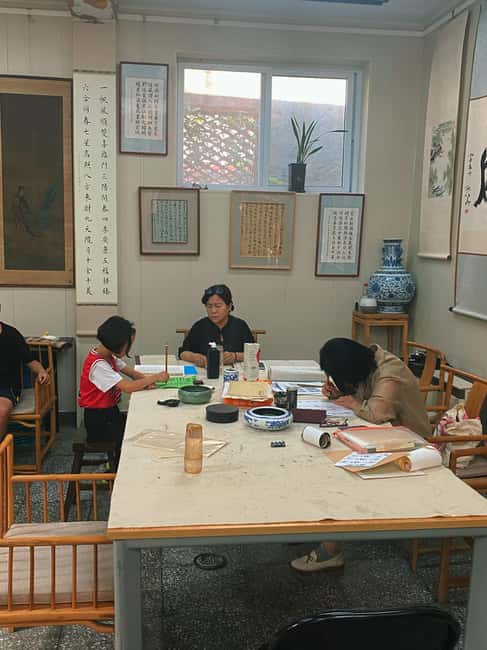
The calligraphy option centers on the movement of ink and brush across rice paper. You may learn to write a meaningful Chinese proverb or your own name, giving the finished piece a personal connection.
This is not simply a lesson in copying attractive characters. The instructor introduces the purpose of each stroke and helps you develop a feel for pressure, direction, and rhythm. A brush can look simple, but controlling its tip takes concentration.
I would choose calligraphy if you enjoy quiet activities and want a souvenir that is easy to carry home. A finished piece on rice paper is light, flat, and personal. It also gives you a direct way to connect language with visual art.
The class may include calligraphy practice even if you choose seal carving. That is useful because you need to work out the characters that will appear on your seal. One participant who chose carving also had time to practice calligraphy, which helped with the final design.
Do not expect museum-quality writing after one short class. Your result will reflect your own hand, not the master’s. That is part of the charm, but it is worth knowing if you want a perfect piece for display.
Fan painting: a useful souvenir with a personal touch
Fan painting offers a more visual project. You paint on a delicate silk round fan, choosing from classic subjects such as bamboo or orchids.
This option may appeal to you if writing unfamiliar Chinese characters feels intimidating. You still learn about a traditional art form, but the finished object is a functional work of art rather than a sheet of practice paper.
Bamboo and orchids are not random decorative choices. They are familiar subjects in Chinese painting, and the instructor explains the cultural meaning behind the imagery. That context gives your painting more weight than a simple craft activity.
The fan is also an attractive souvenir. It is small, light, and different from the standard Beijing purchases found in airport shops. At the same time, silk is delicate, so you should pack it with care when returning home.
Your result will depend on how much time you spend with the brush and how closely you follow the guidance. The goal is not to produce a professional painting in one sitting. The value comes from learning the basic approach and leaving with an object tied to your own visit.
Swap the crowds for a different corner of Beijing:
- From Beijing: Mutianyu Great Wall Tours with Options
★ 4.9 · 9,216 reviews - Beijing: Forbidden City Tour(Group/Private)-Tickets Included
★ 4.8 · 7,974 reviews - Beijing: T-Square & Forbidden City Group or Private Tour
★ 4.8 · 4,446 reviews - Beijing: Mutianyu Great Wall Daily Tour with Ticket & Lunch
★ 5.0 · 3,056 reviews
Seal carving: the most memorable option for patient hands
Seal carving is the most distinctive of the three choices. You create a Chinese name chop, a traditional stamp used as a personal signature.
The process begins with practice. You work on other stones before touching the final piece, giving you a chance to understand the tools and the pressure needed. This is a welcome feature because carving directly into the finished stone would leave little room for error.
The instructor helps you prepare the characters and guides the cutting under close supervision. The work is small and precise. You need to slow down, follow the advice, and accept that the final mark will show the hand of a beginner.
I think this is the best choice if you want a souvenir with a strong connection to Chinese tradition. A name chop is not just a decorative object. It represents identity and signature, which makes it more meaningful than a generic keepsake.
The tradeoff is that seal carving is less relaxed than calligraphy or fan painting. Your hand may tire, and progress can feel slow. That is not a fault in the activity. It is simply the nature of carving, and the practice stage helps make the process less stressful.
What the master artisan adds
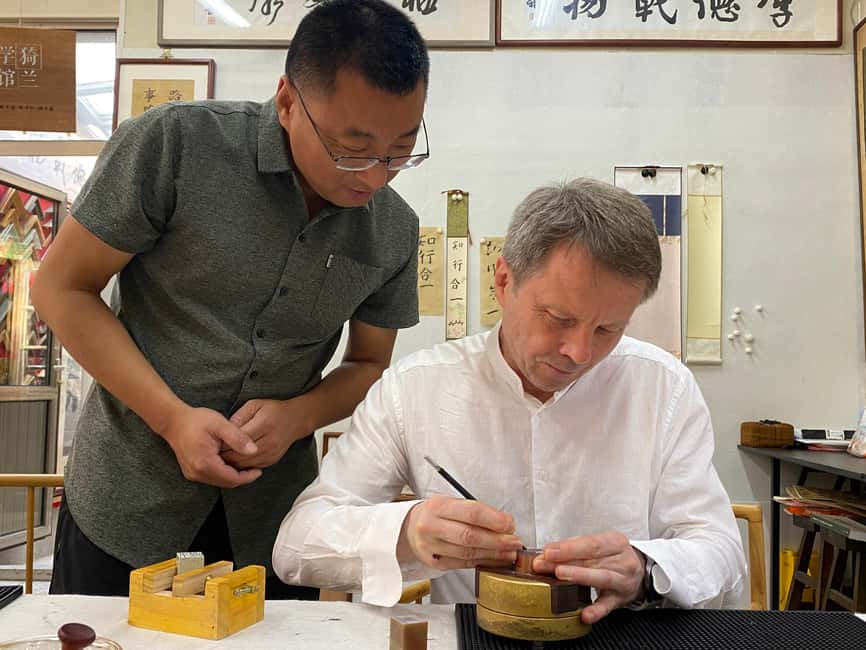
The value of the session depends heavily on instruction, and the experience places you in a traditional studio with an expert artisan. You are not left to copy a set of printed directions.
The artisan demonstrates the basic methods, watches your work, and offers corrections. English and Chinese support is available, and the hosting team can help explain questions when direct communication is difficult.
That language assistance matters most during seal carving, where small details affect the shape and balance of the final characters. It also helps during calligraphy, since the meaning of a proverb or name should be clear before you begin.
Several details point to a patient teaching style. Beginners receive encouragement, and the seal-carving route includes practice stones before the final stone. If you feel nervous about making a mistake, this structure should make the activity more approachable.
Still, the class is not a private apprenticeship. If you join a small group, the artisan must divide attention among participants. A private booking may suit you better if you want extensive one-to-one correction.
A calm break from Beijing’s major sights
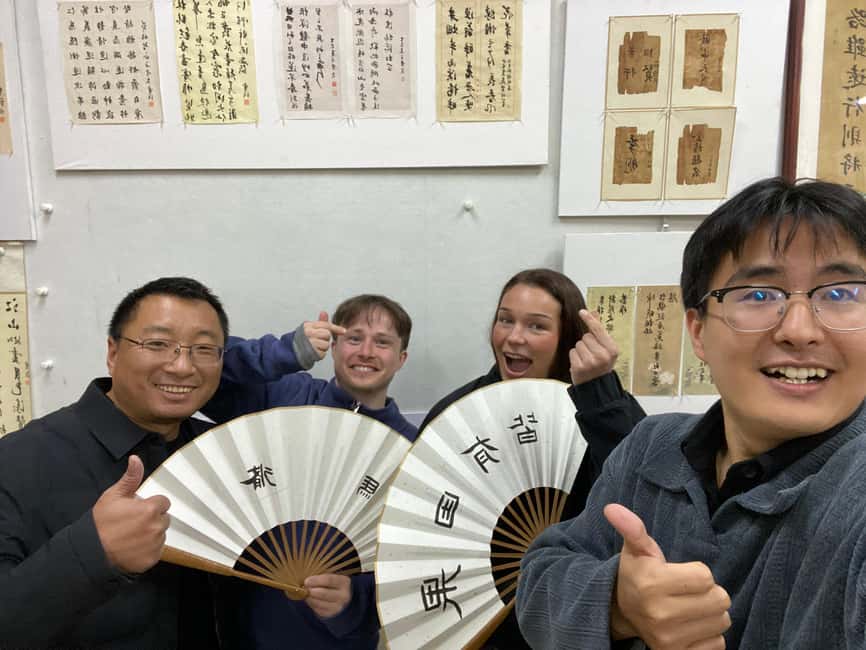
Beijing can be tiring. The city’s large palaces, public squares, and museums require walking, waiting, and constant attention. This workshop offers a slower change of pace.
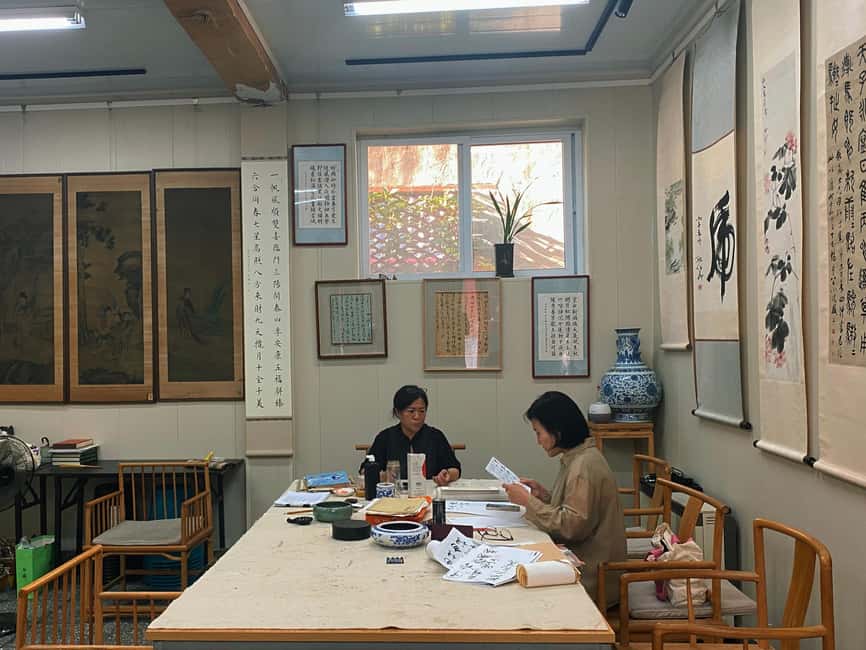
The studio is described as tranquil, and the class is built around concentration rather than rushing from one sight to another. You sit down, handle the materials, and spend time on one small object.
That makes the experience a good choice for a rest day, though it is not a passive break. Calligraphy requires control. Fan painting requires care. Carving demands patience. You will be resting your feet, but your hands and attention will be busy.
I also see value for people who want culture without a lecture-heavy format. The historical explanation is tied to something you are doing, so the meaning of the art becomes easier to remember.
What the $75 price includes
At $75 per person, the class is not a bargain craft stop. Its value comes from the combination of instruction, materials, studio access, cultural explanation, and the finished piece.
The price includes your selected workshop, high-quality materials, guidance from the artisan, and the handmade work you take home. It also includes the short introduction to Liulichang and the small-group format.
That compares well with a standard souvenir purchase if you care about personal meaning. You are paying for time with an artisan and the chance to make an object, not just for the object itself.
The price is harder to justify if you want only a quick demonstration or a professionally finished item. Your artwork will be made by you, with help. A polished result is not guaranteed, and the class is not intended to replace a longer art course.
Private groups are available, but the supplied price is listed per person and may not represent every private arrangement. Check the current booking details if group size or one-to-one instruction is important to you.
Timing, access, and practical planning
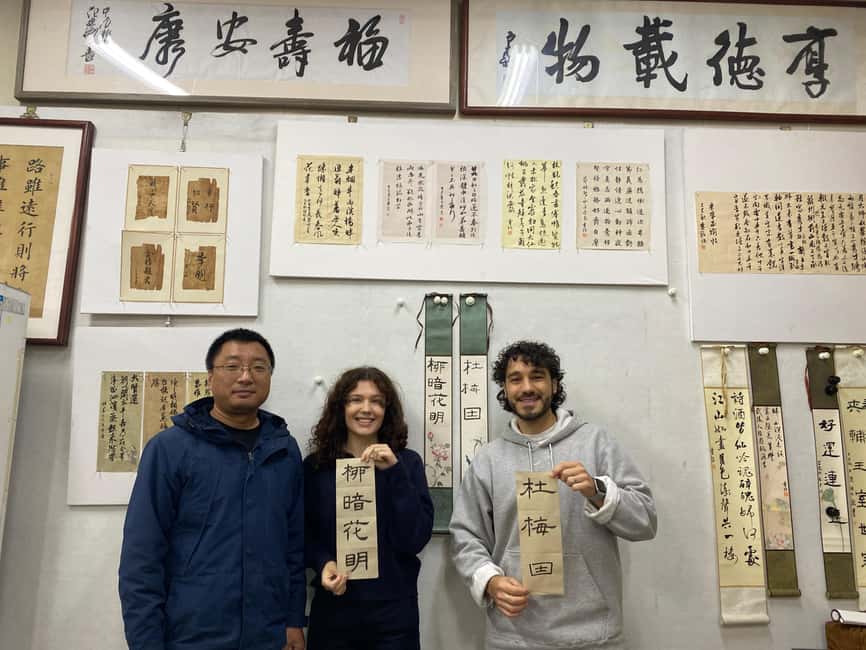
Plan on two to two and a half hours from meeting through the end of the activity. Starting times vary, so check availability before booking.
Transportation to Liulichang is not included. You need to make your own way to the small square entrance of Liulichang East Street. Give yourself enough time to find the exact meeting point, especially if you are unfamiliar with the area.
Look for the Sino-Voyages sign. That detail is more useful than it may sound because the meeting point is outdoors and the studio comes later.
The activity is wheelchair accessible. Children under five are not permitted, while older children can take part if they can follow instructions and remain engaged with the materials. Since no prior experience is required, artistic training is not a concern.
The class is available in English and Chinese. If you want a private setting, ask for the private or small-group option when booking.
Cancellation is flexible up to 24 hours before the start time for a full refund. You can also reserve and pay later, which helps if your Beijing schedule is still changing.
Which art form should you choose?
Choose calligraphy if you want the calmest and most direct introduction to Chinese art. It is a good fit for solo visitors, couples, and anyone who enjoys writing, symbols, or minimalist souvenirs.
Choose fan painting if you prefer color and a visible picture. Bamboo and orchids give you classic subjects, and the fan is both decorative and practical.
Choose seal carving if you want the most unusual keepsake and do not mind working slowly. The practice stones are a real advantage, but you should still expect the process to require care.
You can learn some calligraphy while working on a seal, but the activity is based on one selected workshop. If you want to spend serious time on all three forms, this is not the right format. If you want a focused introduction to one, it works much better.
Who will get the most from this experience?
I would recommend this class to you if you want to make something rather than simply photograph it. It suits people who value local instruction, traditional materials, and a souvenir with a story behind it.
It is also a strong choice for a repeat visitor to Beijing. If you have already seen the major imperial sights, Liulichang offers a different side of the city through art and neighborhood history.
Families with young children should note the minimum age of five. Older children may enjoy the creative format, though seal carving requires close attention and careful handling.
You should think twice if your schedule is packed or if you dislike slow, precise work. The class rewards patience. It is not a fast demonstration with instant results.
Should you book the Liulichang workshop?
Book it if you want a small, personal cultural activity with a handmade result. The strongest reasons are the choice of three art forms, the patient instruction, the practice stage for seal carving, and the setting in Liulichang rather than an ordinary tourist shop.
I would choose seal carving for the most memorable souvenir, calligraphy for the easiest packing and quietest pace, and fan painting for a more colorful project. At $75, the experience makes sense when you value the teaching and the time with an artisan as much as the finished object.
Skip it if you want a polished artwork made by someone else or a broad tour of Beijing’s historic sites. For everyone else, this is a thoughtful way to spend part of an afternoon and leave with something only you could have made.
FAQ
Where does the activity meet?
Meet at the small square entrance of Liulichang East Street. Look for the guide holding a Sino-Voyages sign.
How long does the experience last?
The activity lasts approximately two to two and a half hours, including the short introduction to Liulichang and the workshop.
Which activities can I choose from?
You can choose one workshop: Chinese calligraphy, painting on a silk round fan, or Chinese seal carving.
Do I need previous artistic experience?
No. Prior experience is not required, and the activity is designed for beginners.
What materials are provided?
All high-quality materials needed for your selected workshop are provided.
Can I take my artwork home?
Yes. Your personalized calligraphy, fan painting, or carved seal is included as a handmade souvenir to take home.
Is the activity available in English?
Yes. Instruction is available in English and Chinese.
Is the workshop wheelchair accessible?
Yes. The activity is wheelchair accessible. Children under five are not permitted.
Can I cancel for a refund?
You can cancel up to 24 hours in advance for a full refund. Reserve-now, pay-later booking is also available.
Latest additions around Beijing
- Bullet Train Private Tour: Beijing Tiananmen Square, Forbidden City & Great Wall★ 5.0 · 3 reviews
- Private Hike from Beijing: Go Beyond The Jiankou and Mutianyu Great Wall★ 5.0 · 3 reviews
- Private Great Wall Hiking Tour from Simatai West to Jinshanling★ 4.5 · 3 reviews
- Private Transfer for Beijing Airport PEK or PKX★ 5.0 · 3 reviews
- Liyuan Theater Beijing Opera Show Tickets★ 5.0 · 3 reviews
- Private Jinshanling relax photo tour by sunset★ 5.0 · 3 reviews
- Private All-inclusive Jinshanling Great Wall 1-day tour★ 4.5 · 3 reviews
- Beijing Night Tour with Acrobatics Show & PekingDuck Dinner★ 5.0 · 3 reviews
Calligraphy & Ink Art Classes, compared.
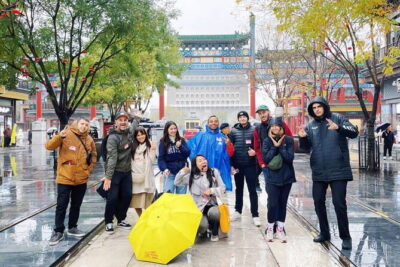
Beijing Historic City Guided Walking Tour + Calligraphy Creation
Read our review →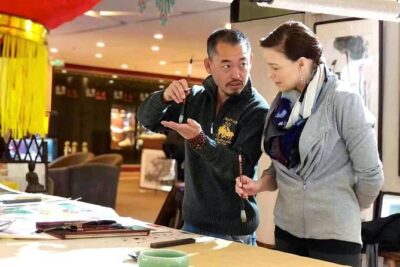
Beijing Wangfujing Calligraphy Class by Forbidden City
Read our review →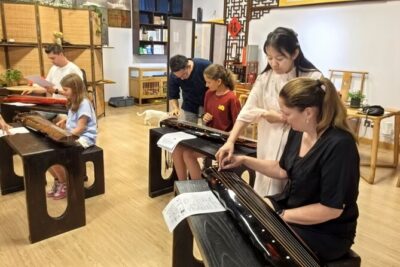
Beijing Culture: Tea Ceremony, Heritage Instrument & Calligraphy
Read our review →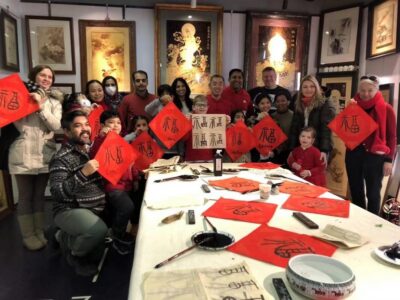
Beijing Wangfujing Calligraphy Class Nearby Forbidden City
Read our review →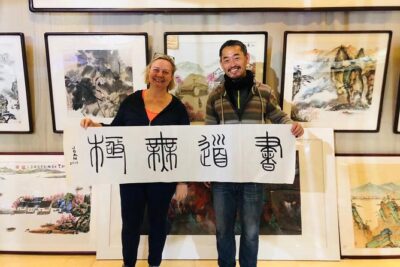

Discover Old Beijing: Hutong Walking Tour & Calligraphy
Read our review →Browse the lists this tour appears in