
Reviewed · CALLIGRAPHY & INK ART CLASSES
Beijing Hands-On Culture Tour: Tea, Instrument, Calligraphy
A tea ceremony, a Guqin lesson, calligraphy, traditional clothing, photos, and cultural rituals all fit into one small-group visit. I like the hands-on format: you do not simply watch a master play or pour tea. You brew, pluck strings, and put brush to paper. I also like the calm setting and the small limit of 10 people, which gives the instructors room to help.
The main consideration is timing. The experience is advertised as three hours, while the central cultural program is described as about two and a half hours. That is still a lot for $15, but anyone wanting a slow, formal tea ceremony or a long Guqin recital may find the pace brisk.
In This Review
- Key points at a glance
- Why this Beijing activity works so well
- The tea ritual begins with three different flavors
- The Guqin lesson gives you a real turn at the strings
- Brush and ink turn a name into a keepsake
- Hanfu adds a visual and playful layer
- Six cultural elements in one compact visit
- The guide and meeting help matter
- Is $15 a good value?
- Who should book this experience?
- Should you book the Beijing culture tour?
- FAQ
- How long does the Beijing culture tour last?
- What languages are available?
- What is included in the price?
- Is transportation included?
- How many people are in the group?
- Can I cancel the booking?
Key points at a glance
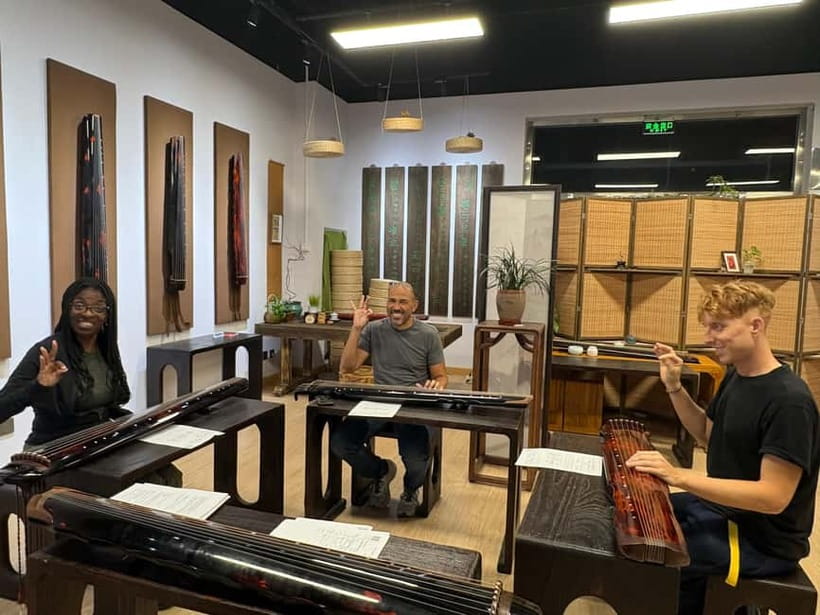
- Play a complete Guqin melody: A tutor guides your fingers step by step on China’s ancient seven-string instrument.
- Taste three traditional teas: Brew red, green, and floral teas while learning the six-step tea ritual.
- Write your own Chinese name or blessing: Brush, ink, and an explanation of Chinese writing make this more than a simple craft.
- Wear Hanfu and take photos: Traditional clothing is included, along with a photo session.
- Keep the group small: With no more than 10 participants and English guidance, the sessions should feel personal rather than crowded.
- Reach out before arrival: Transportation is not included, but Sylvia has met visitors at a metro entrance and helped them find the art center.
Why this Beijing activity works so well
Many cultural activities in Beijing ask you to sit quietly while someone else performs. This one takes the opposite approach. You taste the tea, handle the brush, wear the clothing, and try the instrument.
That matters because Chinese traditions can seem mysterious when presented only as polished performances. Here, the basic actions give you a way into the ideas behind them. You begin to understand why tea preparation values order and attention, why calligraphy treats each stroke as meaningful, and why the Guqin is linked with calm and reflection.
The setting is a certified private art center with air conditioning. That practical detail is welcome in Beijing, especially after a morning outside at a palace, temple, or market. The indoor venue also makes this a useful rainy-day plan and a good break from crowded sightseeing.
The group size is limited to 10 people. I would choose this over a large stage presentation if you want time to ask questions or need an instructor to adjust your hand position. English is available from both the guide and tutors, and the cultural guide is meant to explain history, philosophy, and symbolism rather than merely translate instructions.
More calligraphy and ink art classes:
- Beijing Calligraphy Class
★ 4.9 · 112 reviews - Chinese Calligraphy Class for Small Group
★ 5.0 · 104 reviews - Beijing Historic City Guided Walking Tour + Calligraphy Creation
★ 5.0 · 59 reviews
The tea ritual begins with three different flavors
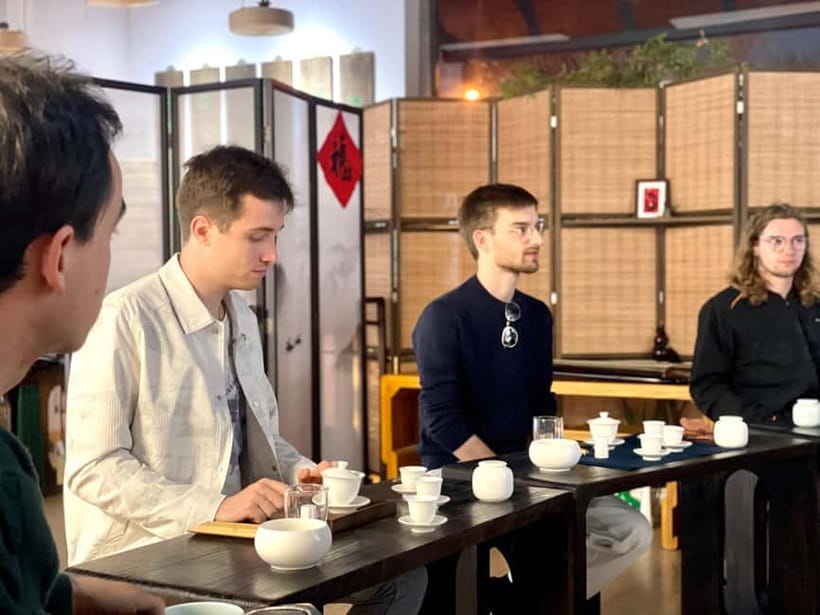
The tea portion is not just a cup handed to you at the door. You learn a six-step ritual with a tea master, then brew three types: red, green, and floral tea.
That selection gives you a useful comparison. Green tea tends to be associated with fresh, lighter notes, while red tea offers a fuller taste. Floral tea brings a different scent and feel altogether. The point is not to become a tea expert in one sitting. It is to notice how aroma, temperature, preparation, and custom shape the drink in front of you.
I like that the ritual is taught as a sequence. A clear sequence helps first-time visitors follow along without worrying about making a social mistake. You can focus on the movement of the hands, the smell of the leaves, and the taste in the cup.
Water and tea are included. Meals and other drinks are not, so do not treat this as a substitute for lunch. The tea session is a cultural lesson with refreshments, not a full food stop.
Families should find this part approachable. One family with children aged 9 and 14 enjoyed the pacing, and another group ranging from 11 to 40 found the entire program engaging. Younger children may need help with the careful pouring and handling of hot water, but the activity is designed for participation rather than passive listening.
The Guqin lesson gives you a real turn at the strings
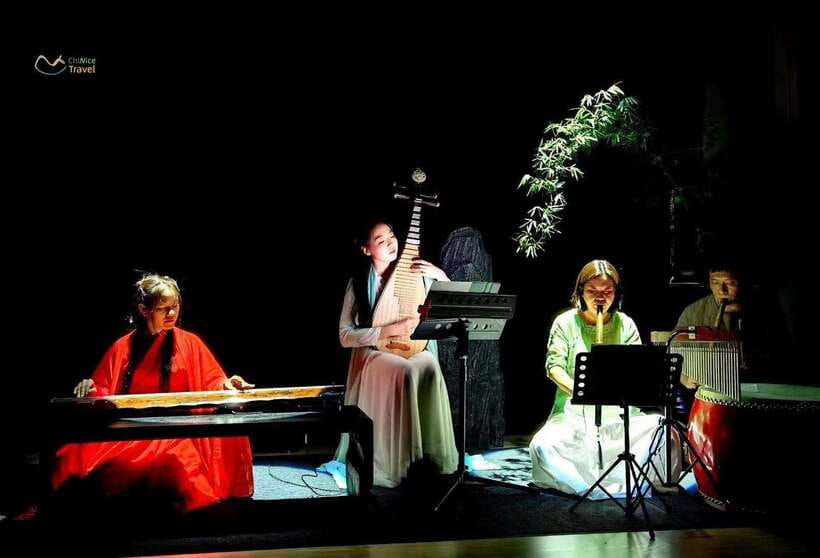
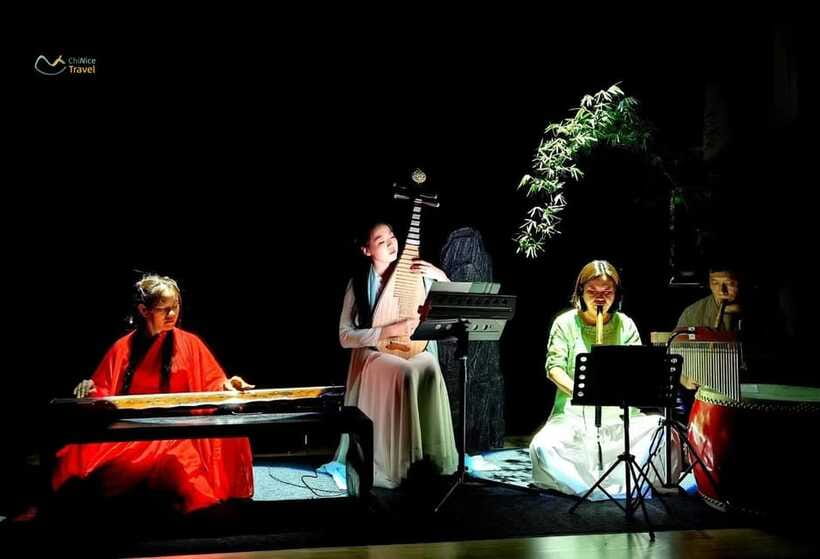
The Guqin is the most unusual part of the program for many people. It is a traditional Chinese zither with seven strings, a long history, and a soft, restrained sound. You first hear the instrument in a private performance, then receive instruction from a Guqin master.
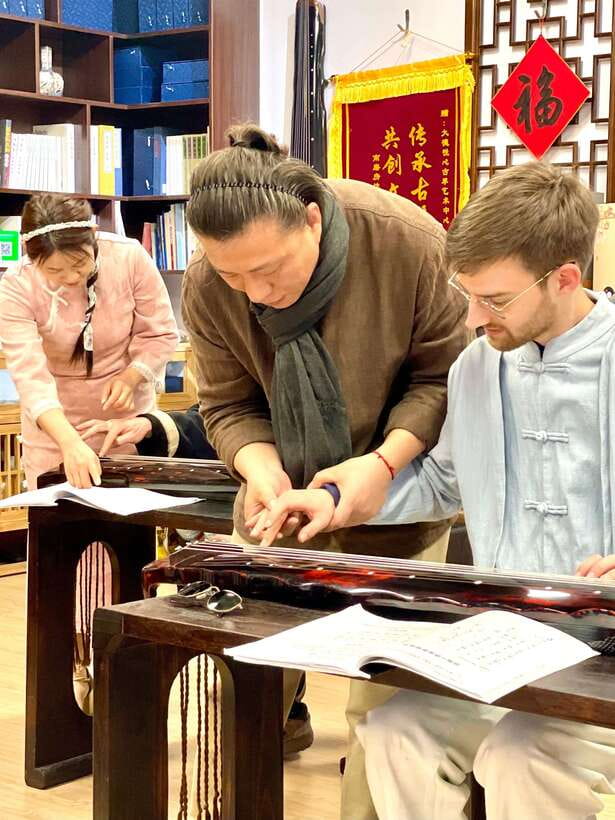
The important distinction is that this is not only a concert. You are taught how to play a full ancient melody, with the tutor showing you where to place and move your fingers. The claim should be understood at the right scale: you will not leave as a trained musician after one short lesson. You can, however, take part in a structured melody and feel how the instrument responds.
That hands-on moment is likely to be the highlight for anyone who enjoys trying something unfamiliar. The Guqin’s sound is quieter and more delicate than the instruments used in many theatrical shows. One American visitor described its tones as deep and mellow, with a peaceful quality. That is a fair expectation: this is a listening experience built around restraint, not spectacle.
The Guqin tutor is also one of the masters in performance, so you are learning directly from someone who works with the instrument. The English-speaking support should make the lesson easier to follow, though musical instruction can still require patience and close attention.
If you have limited hand strength or movement, check the accessibility details before booking. The activity is listed as wheelchair accessible, but the supplied information does not explain the exact seating or instrument arrangements for every participant.
Brush and ink turn a name into a keepsake
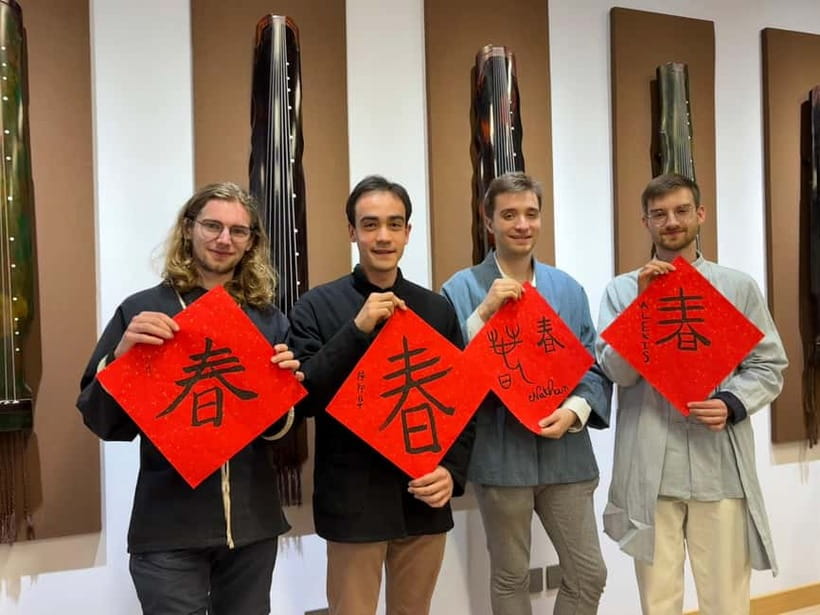
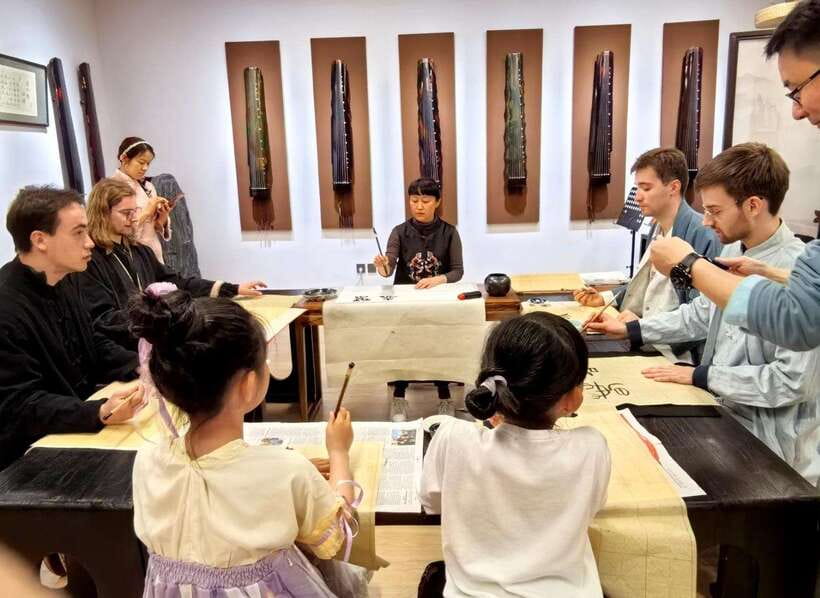
The calligraphy session starts with context. You learn how Chinese writing developed, then practice with a real brush and ink.
You can write your own name or choose a meaningful word such as peace or blessing. That gives you a personal result to take home, rather than a generic souvenir prepared in advance. The finished piece may not look like professional calligraphy, and it does not need to. The value is in learning how much control and balance each stroke requires.
Calligraphy is also a quiet contrast to the more social tea and music sessions. You slow down, hold the brush differently from a Western pen, and pay attention to the order of the strokes. The activity can be calming, but beginners should expect a little mess and imperfection. That is part of the fun.
A visitor from Germany especially enjoyed learning to write a name and the word blessing. If you want a souvenir with a personal connection to Beijing, this is stronger than buying a mass-produced trinket. Bring a camera if you want pictures of the process, though the experience also includes photoshooting.
A few more Beijing options to compare side by side
- Beijing: Dumpling Making Workshop with Meal and Tea
★ 4.7 · 69 reviews - Online Cooking Class Beijing Dumplings and Cuisine by Sunflowerli Renowned Chef
★ 5.0 · 65 reviews - Beijing Wangfujing Calligraphy Class by Forbidden City
★ 5.0 · 58 reviews - Beijing Wangfujing Calligraphy Class Nearby Forbidden City
★ 5.0 · 56 reviews
Hanfu adds a visual and playful layer
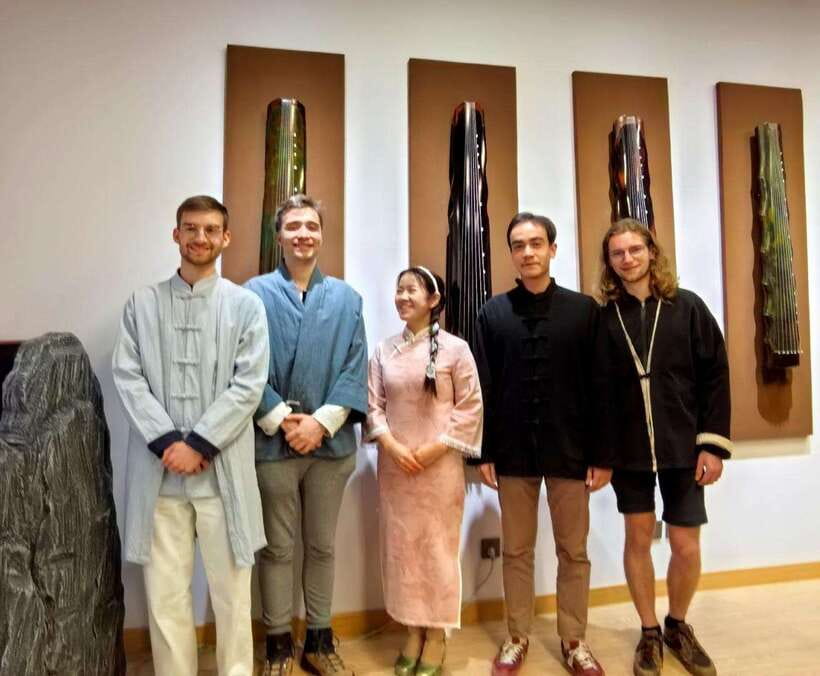
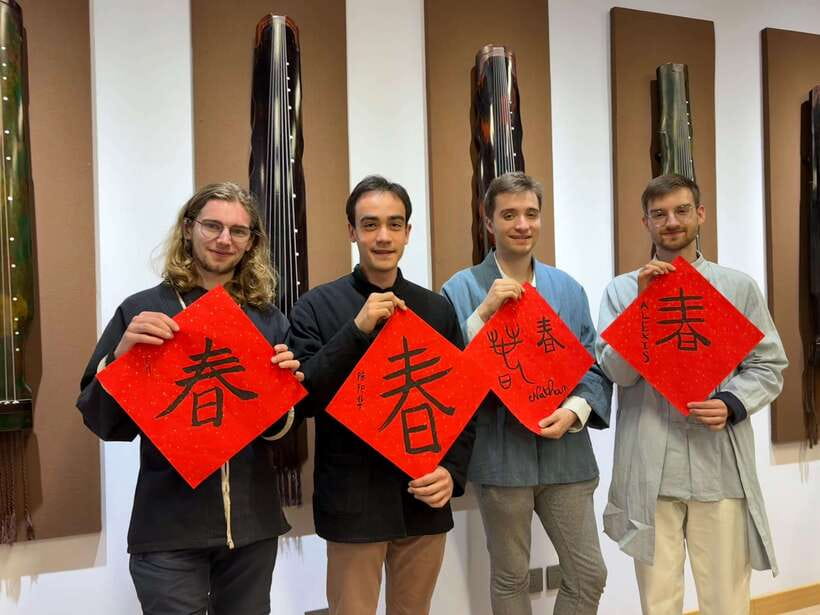
Hanfu rental is included. You can dress in traditional clothing before the photo session, giving the activity a visual element that tea, music, and writing alone would not provide.
Wear comfortable clothes underneath and allow time to change. The advice is practical because the clothing session is part of the experience, not a quick costume prop. The provided information does not specify which Hanfu styles, colors, or sizes are available, so anyone with particular clothing needs should ask ahead.
The photos are useful for families and first-time visitors who want a record of the afternoon. They also help connect the separate activities. You might have one photograph in traditional dress with your calligraphy, another beside the Guqin, and others during the tea ritual.
Keep your expectations sensible. This is an included cultural photo session, not a professional studio package with a large wardrobe or elaborate set. Still, it gives you a personal visual memory at no extra charge.
Six cultural elements in one compact visit
The program is described as a 6-in-1 cultural experience. In practical terms, the six parts come from the tea ritual, tea tasting, Guqin performance and lesson, calligraphy, Hanfu dressing, and photography, with cultural explanations tying them together.
That combination is the reason the activity offers good value. You would normally need several separate stops to sample these traditions. Here, the subjects sit side by side, so you can compare them as different forms of Chinese artistic expression.
The compact format also has limits. Each section receives only part of the visit, so this is an introduction rather than a specialist workshop. If your main goal is serious calligraphy training, advanced music instruction, or a long tea ceremony, book a focused class instead.
For a first visit to China, I think the mix is smart. It gives you several reference points for the rest of your trip. Afterward, you may recognize tea etiquette, understand the quiet mood of a Guqin performance, or look at calligraphy in a museum with more interest.
The guide and meeting help matter
The cultural guide is expected to do more than translate. The role includes linking the activities to Chinese history, philosophy, rituals, and symbolism. That broader explanation keeps the afternoon from becoming a series of unrelated demonstrations.
Sylvia is specifically associated with helping visitors reach the center. One family staying at the Kerry hotel found the train ride manageable after sorting out tickets, then met Sylvia at the metro entrance. She also asked about allergies in advance. Transportation is not included, so you must make your own way to the venue, but that kind of meeting support can make the final connection much less stressful.
Arrive 10 minutes early. You need that time to find the meeting point, prepare for the Hanfu session, and settle in before the first lesson. The activity uses Chinese and English, so ask for clarification whenever a ritual step or character feels unclear.
The private art center setting should suit people who prefer a calm room to a busy public attraction. It is air-conditioned and intended to welcome all ages. The small group limit also makes it easier for parents to keep children involved.
Is $15 a good value?
At $15 per person, this is inexpensive for a three-hour activity, especially with tea, Hanfu rental, photos, a Guqin class, a professional tutor, and original souvenirs included.
Price alone does not make it worthwhile. The better question is how much contact you receive with each tradition. Here, you are not paying only for admission to a show. You receive several guided activities and direct help from artists. The inclusion of a private Guqin performance plus your own lesson gives the price particular weight.
You will still need to pay for transport to and from the art center, and meals and personal purchases are extra. That is easy to manage, but factor it into the total cost. The exact starting time depends on availability, so check that before building the rest of your Beijing day.
The flexible booking terms are useful for a changing itinerary. You can reserve now and pay later, and cancellation is free up to 24 hours in advance for a full refund. Those terms are practical if your Beijing schedule depends on weather, train plans, or timed entries elsewhere.
Who should book this experience?
I would recommend it most to first-time visitors who want a broad introduction to Chinese culture without spending a full day in a museum. It is also a strong choice for families, couples, and multigenerational groups because the activities vary in pace.
Children who enjoy making things should respond well to the calligraphy and Guqin portions. Teenagers who are not excited by a standard cultural lecture may also warm to the chance to wear Hanfu, take photos, and produce something themselves.
It suits visitors who want English guidance and a small, comfortable indoor setting. It is less suitable for anyone seeking an advanced course, a long uninterrupted concert, or a large-scale historical show.
The activity is wheelchair accessible, but the details of the workspace are not provided. If you need a specific chair, table height, or assistance with Hanfu dressing, contact the provider before booking.
Should you book the Beijing culture tour?
Book it if you want to try several Chinese traditions rather than merely see them. The Guqin lesson, three-tea tasting, personal calligraphy, Hanfu rental, and photos create a lively three-hour introduction for very little money.
Skip it if you already have specialist classes arranged or prefer slow, in-depth study of one art. Also remember to arrange your own transport and wear comfortable clothing for changing into Hanfu.
For most visitors, especially families and first-time arrivals, this is a sensible way to connect the separate threads of Chinese culture in one welcoming room. The program moves quickly, but you leave with practical memories: a melody under your fingers, ink on paper, tea on your palate, and a better sense of why these traditions still matter.
FAQ
How long does the Beijing culture tour last?
The activity duration is listed as three hours. The main six-part cultural program is also described as taking about two and a half hours, so allow roughly three hours overall.
What languages are available?
The experience is offered in Chinese and English. An English-speaking cultural guide and tutors help explain the activities.
What is included in the price?
The price includes water and tea, admission to the show, Hanfu rental, photoshooting, a Guqin class, a professional guide or tutor, and original souvenirs.
Is transportation included?
No. You must arrange transportation to and from the venue yourself. Arriving 10 minutes early is advised, and Sylvia has met visitors at a metro entrance to help them find the art center.
How many people are in the group?
It is a small-group activity limited to 10 participants.
Can I cancel the booking?
Yes. You can cancel up to 24 hours in advance for a full refund. The reserve-now-and-pay-later option also lets you book without paying immediately.
Latest additions around Beijing
- Private Hike from Beijing: Go Beyond The Jiankou and Mutianyu Great Wall★ 5.0 · 3 reviews
- Bullet Train Private Tour: Beijing Tiananmen Square, Forbidden City & Great Wall★ 5.0 · 3 reviews
- Private Great Wall Hiking Tour from Simatai West to Jinshanling★ 4.5 · 3 reviews
- Private Transfer for Beijing Airport PEK or PKX★ 5.0 · 3 reviews
- Liyuan Theater Beijing Opera Show Tickets★ 5.0 · 3 reviews
- Private Jinshanling relax photo tour by sunset★ 5.0 · 3 reviews
- Private All-inclusive Jinshanling Great Wall 1-day tour★ 4.5 · 3 reviews
- Beijing Night Tour with Acrobatics Show & PekingDuck Dinner★ 5.0 · 3 reviews
Calligraphy & Ink Art Classes, compared.
Beijing Historic City Guided Walking Tour + Calligraphy Creation
Read our review →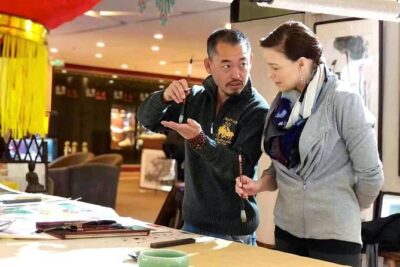
Beijing Wangfujing Calligraphy Class by Forbidden City
Read our review →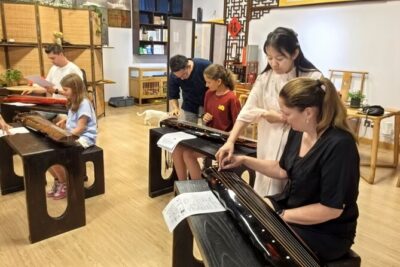
Beijing Culture: Tea Ceremony, Heritage Instrument & Calligraphy
Read our review →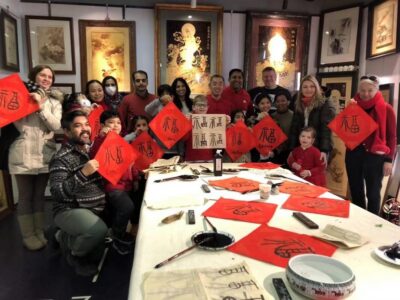
Beijing Wangfujing Calligraphy Class Nearby Forbidden City
Read our review →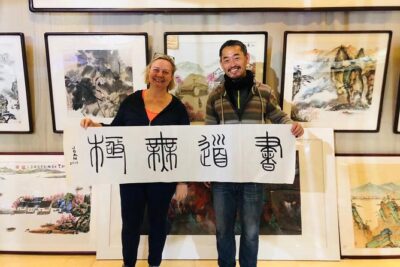
Discover Old Beijing: Hutong Walking Tour & Calligraphy
Read our review →Browse the lists this tour appears in